
NEWS
Udenta Slams EFCC Over ‘Manufactured’ Terror Charges Against Bauchi Gov
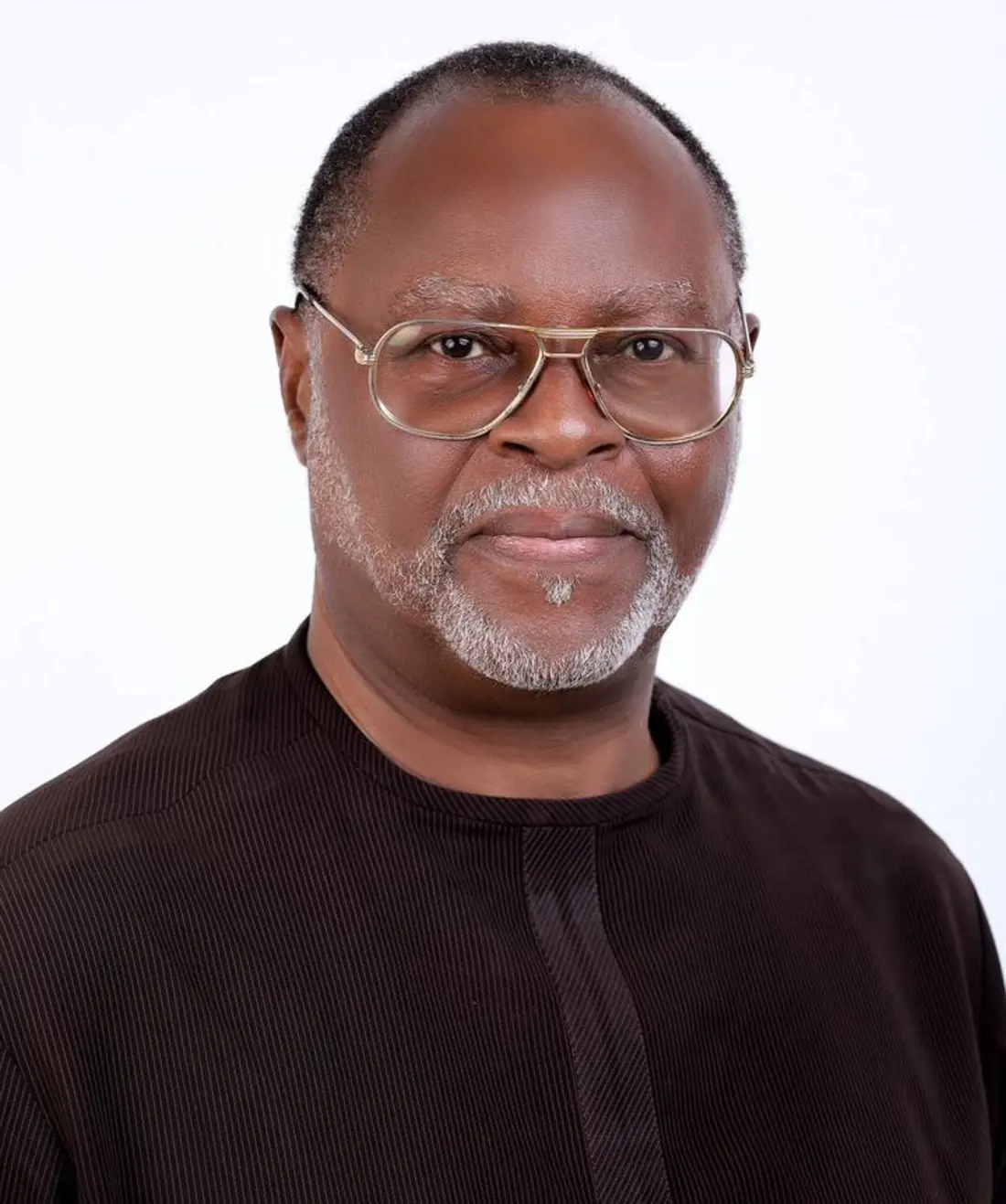
In a scathing assessment of Nigeria’s anti-graft agency, Professor Udenta O. Udenta has accused the Economic and Financial Crimes Commission (EFCC) of “manufacturing” overnight terror financing charges to tarnish the reputation of Bauchi State Governor, Bala Mohammed. Speaking during a live interview on Arise Television on Tuesday, January 6, 2026, the former National Secretary of the defunct Alliance for Democracy (AD) described the EFCC’s latest legal maneuvers as a “reprehensible” form of media trial aimed at global character assassination.
The controversy follows a heated exchange between Governor Mohammed and FCT Minister Nyesom Wike, during which the latter taunted the Governor about an EFCC investigation into his associates for alleged terrorism funding. Professor Udenta argued that while no public official is above the law, the timing and nature of the EFCC’s pursuit suggest a political agenda rather than a genuine quest for justice. He condemned the agency for “corruptly criminalizing” the image of a sitting governor before the international community without providing substantial evidence in a court of law.
“The EFCC’s pursuit of Bala Mohammed through the media is a distraction from governance,” Udenta stated, noting the global implications of labeling a state leader with “terror financing” tags. He pointed out that such allegations are “well-deposited for the world to see,” causing irreparable damage to the Governor’s standing and, by extension, the state’s investment potential. Udenta questioned why the commission has chosen a loud, public approach instead of conducting a discreet investigation that respects the constitutional immunity of a sitting executive.
Referencing a recent court session where a judge reportedly requested the EFCC to produce evidence on three separate occasions, Udenta alleged that the terror charges were “manufactured weekly” to keep the Governor’s name in the headlines. He insisted that if the EFCC were acting with integrity, it would wait until the end of the Governor’s tenure in 2027 to initiate prosecution, rather than engaging in what he termed “overnight” charge-drafting that creates administrative chaos in Bauchi State.
The academic’s remarks have reignited the debate over the independence of Nigeria’s anti-corruption bodies, especially in a year marked by intense political realignment ahead of the 2027 general elections. As the PDP Governors’ Forum chairman, Bala Mohammed has been a vocal critic of federal policies, and Udenta’s defense suggests a growing perception among opposition figures that the EFCC is being weaponized against dissenters. For Udenta, the “reprehensible” dragging of a governor’s name across media platforms sets a dangerous precedent for Nigeria’s democracy.


