
Entertainment
Doris Ogala Retracts Threats and Offers Apology to Akpororo
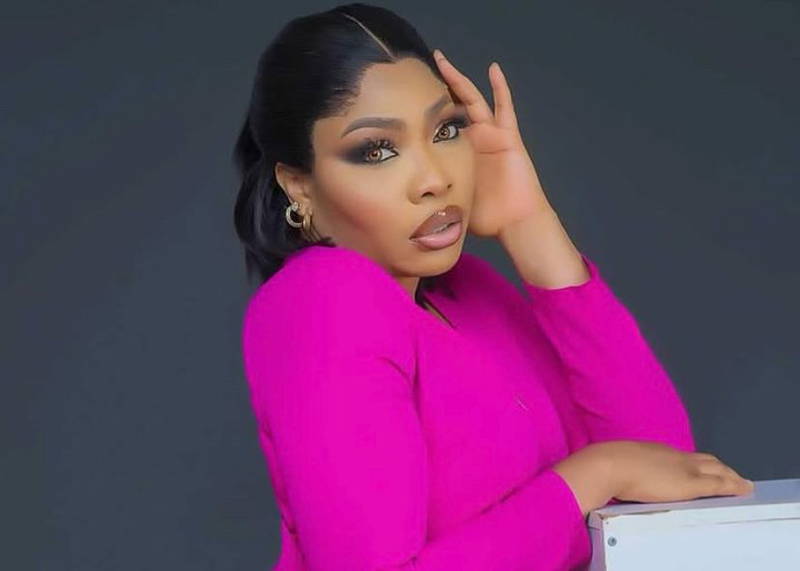
In a surprising turn of events within the Nigerian entertainment industry, Nollywood actress Doris Ogala has officially walked back her fiery rhetoric directed at popular stand-up comedian Akpororo. The actress, known for her outspoken nature, took to her social media platforms on Thursday to issue a public apology, citing extreme provocation and emotional distress as the primary drivers behind her recent controversial statements. This reconciliation attempt follows a week of high-tension exchanges that captivated social media followers and sparked debates about privacy and public feuds.
The conflict initially ignited when Akpororo waded into a pre-existing dispute between Ogala and clergyman Chris Okafor. Attempting to play the role of a mediator, Akpororo had publicly advised the actress to cease her online campaign against the pastor, suggesting that the matter be settled behind closed doors. The comedian argued that the public scrutiny was becoming excessive and hinted that the actress’s persistent posts were beginning to look like an overreaction, potentially damaging her own reputation in the process.
However, the well-intentioned advice was met with immediate hostility. Doris Ogala interpreted Akpororo’s intervention not as a peace offering, but as an uninformed intrusion into a sensitive and personal struggle. She hit back aggressively, accusing the comedian of hypocrisy and suggesting that his loyalty to the pastor was bought through past favors or financial benefits. The situation escalated dangerously when Ogala hinted at the existence of compromising footage and alleged past misconduct involving the comedian and various women.
The digital space became a battlefield as the actress threatened to “expose” the comedian if he continued to interfere in her business. She maintained that taking the matter to the public domain was her only way of ensuring her personal safety against powerful interests. Akpororo, undeterred by the gravity of the threats, challenged the actress to produce any evidence she claimed to have. He vehemently denied any wrongdoing and stood his ground, maintaining that his advice was rooted in common sense rather than a hidden agenda.
As the standoff reached a boiling point, cooler heads seemingly prevailed. In her recent Instagram post, Ogala sought to clear the air and de-escalate the tension. She admitted that her claims about intimate videos and misconduct were birthed in a moment of intense fury rather than factual reality. By describing her outbursts as being “said in anger,” she effectively debunked the rumors of a scandal that had begun to circulate within the industry’s gossip circles.
The actress expressed deep regret for any “misconception” her words may have caused the comedian and his brand. Her apology was concise and direct, asking Akpororo to find it in his heart to forgive the lapse in judgment. This move is seen by many industry observers as a necessary step to protect her professional image, as the threat of releasing non-consensual intimate content—even if fabricated—carries significant legal and social consequences in modern-day Nigeria.
This incident highlights the increasingly volatile nature of social media interactions among Nigerian celebrities. The ease with which private disagreements transform into public scandals often leads to irreversible damage to personal brands. In this case, the intervention of a third party, intended to calm the waters, only served to create a secondary storm. The swiftness of Ogala’s apology suggests a realization that the feud was spiraling out of control and moving away from the original issues she sought to address.
For Akpororo, the apology serves as a public vindication. Having challenged his accuser to bring forward her evidence, the retraction confirms his stance that the allegations were unfounded. While the comedian has not yet issued a formal response to the apology, fans are hopeful that this marks the end of the hostility between the two stars. The industry often sees these “clout-chasing” moments, but the threat of character assassination through fake scandals remains a serious concern for many public figures.
The saga also brings to light the complexities of celebrity-pastor relationships in Nigeria. Akpororo’s defense of Chris Okafor was based on the premise that religious leaders are often unfairly targeted, while Ogala’s reaction suggested that she felt silenced by the influence of the church. This cultural tug-of-war frequently plays out on platforms like Instagram and Twitter, where the line between seeking justice and seeking attention often becomes blurred.
As the dust settles, the focus returns to the primary dispute between Doris Ogala and the clergyman, which remains unresolved. However, the sidebar conflict with Akpororo serves as a cautionary tale for other entertainers regarding the dangers of speaking in the heat of the moment. The internet rarely forgets, and even with a public apology, the echoes of such serious allegations can linger.

