
NEWS
Kalu Denies Electoral Act Delay Allegations
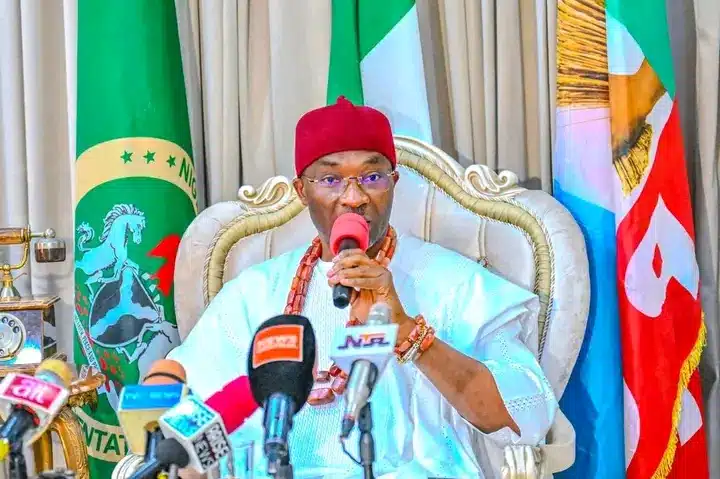
The Deputy Speaker of the House of Representatives, Benjamin Kalu, has dismissed claims that the National Assembly is intentionally stalling the amendment of the Electoral Act 2022. Addressing journalists at his country home in Bende, Abia State, on Friday, January 23, 2026, Kalu countered allegations made by the 2023 Peoples Democratic Party (PDP) presidential candidate, Atiku Abubakar, who had earlier accused the parliament of a “premeditated effort” to compromise the 2027 general elections.
Atiku had taken to his official handle on 𝕏 to express concerns that loopholes in the current electoral framework—which he claims facilitated “brazen rigging” in the previous cycle—are being left unaddressed. He argued that the legislative “bottleneck” was a deliberate move to protect the interests of the ruling party and hinder petitioners from seeking justice in the courts. The former Vice President warned that any delay in finalizing the new legal framework would cast a dark shadow over the credibility of the upcoming 2027 polls.
In a swift rebuttal, Benjamin Kalu clarified that the House of Representatives has actually concluded its end of the legislative process. He revealed that the Green Chamber passed the Electoral Act Amendment Bill in December 2025, effectively fulfilling its constitutional obligation to reform the system. Kalu emphasized that the House has been proactive in addressing gaps such as result transmission and litigation timelines, but explained that the bill currently awaits concurrent action from the Senate.
The Deputy Speaker pointed out that the “legislative gap” between the two chambers is a matter of parliamentary procedure rather than a conspiracy. While the House completed its voting before the end of the 2025 session, the Senate embarked on its recess without concluding its clause-by-clause consideration of the bill. Kalu assured the Nigerian electorate that there is no “sinister motive” behind the timeline, expressing optimism that the Senate would prioritize the bill immediately upon reconvening to ensure a unified document is sent to the President for assent.
The proposed amendments under discussion are significant, including the formal legalization of the Bimodal Voter Accreditation System (BVAS) and the introduction of mandatory real-time electronic transmission of results. Lawmakers are also looking to compress the timelines for election-related legal disputes, aiming to ensure that all petitions are resolved before the inauguration of winners on May 29, 2027. Kalu’s defense suggests that the House is eager to move forward, positioning the lower chamber as a proactive partner in Nigeria’s democratic evolution.
Public interest groups, including the Kimpact Development Initiative (KDI), have echoed Atiku’s urgency, warning that the Electoral Act 2022 mandates the official Notice of Election be issued at least 360 days before polling day. This deadline places immense pressure on the National Assembly to finalize all amendments by early 2026. Kalu, however, maintained that the House remains committed to a transparent process, urging political actors to avoid heating up the polity with “baseless” accusations of sabotage.
As the political atmosphere begins to favor 2027 preparations, the standoff over the Electoral Act has become a central theme in the national discourse. For Kalu, the focus remains on bicameral synergy. He stressed that the House of Representatives remains “ready for reform” and encouraged the Senate to match the Green Chamber’s speed. The coming weeks will be critical as Nigerians watch whether the National Assembly can bridge the gap and deliver a law that reflects the aspirations of the voting public before the statutory clock runs out.


