
NEWS
PDP Chieftain Adetokunbo Pearse Accuses Wike of Rigging 2023 Rivers Polls
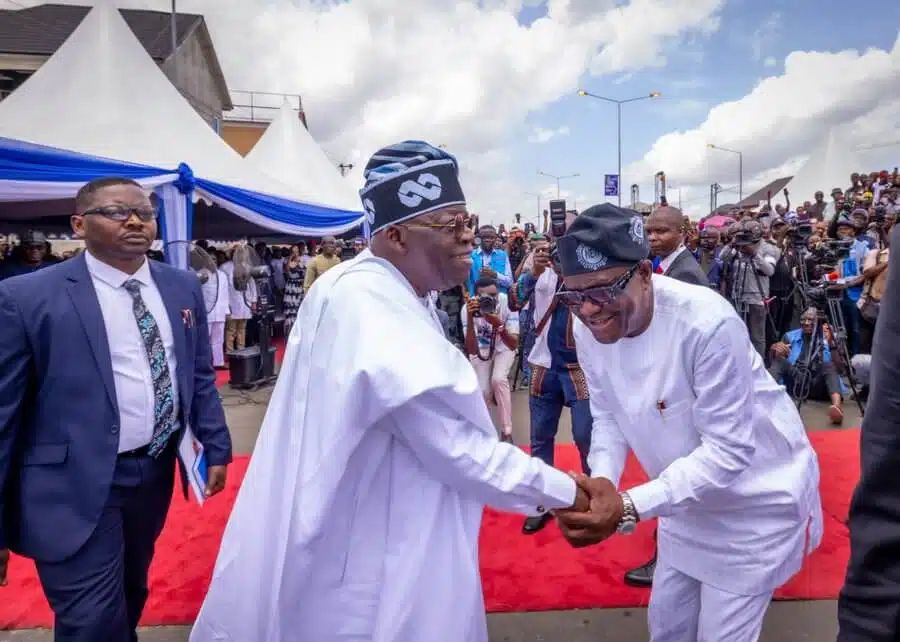
A prominent chieftain of the Peoples Democratic Party and former member of the 2023 National Presidential Campaign Council, Adetokunbo Pearse, has stirred fresh political controversy by alleging that the 2023 presidential election results in Rivers State were the product of systemic manipulation. In a candid assessment of the nation’s political landscape, Pearse claimed that the current Minister of the Federal Capital Territory, Nyesom Wike, orchestrated a shift in the electoral numbers to ensure a victory for President Bola Tinubu. According to the PDP leader, this purported intervention was a strategic move designed to secure Wike a seat at the table in the new administration.
The allegations center on a perceived statistical anomaly that Pearse argues cannot be logically explained. He pointed out that while the PDP dominated the legislative elections in Rivers State—sweeping the senatorial seats, the House of Representatives, and the House of Assembly—the presidential results told a sharply different story. To Pearse, the idea that voters would choose PDP candidates for every other office while overwhelmingly rejecting the party’s presidential candidate is a narrative that defies electoral reality. He maintains that the official figures released by the Independent National Electoral Commission did not reflect the actual will of the Rivers electorate.
Pearse characterized the 2023 outcome as a calculated maneuver by Wike to gain political leverage. He alleged that by influencing the process to favor the All Progressives Congress at the presidential level, the former governor essentially traded the state’s votes for his current ministerial portfolio. This “voice” in the federal government, Pearse suggests, was the primary motivation behind the alleged tampering with the electoral machinery in a state that has historically been a stronghold for the PDP.
Looking ahead to the next general election cycle, the PDP chieftain issued a stern warning to the ruling party and all political actors in the Niger Delta region. He asserted that the tactics allegedly employed in 2023 would not be tolerated in 2027. Whether the President attempts to utilize the influence of Nyesom Wike or the current Governor of Rivers State, Siminalayi Fubara, Pearse insists that the opposition is already putting measures in place to safeguard the integrity of the ballot. He signaled a departure from the party’s previous stance, promising a more aggressive approach to monitoring and verification.
Part of this new strategy, according to Pearse, involves a greater reliance on international scrutiny. He emphasized that the PDP is prepared to call in global observers to monitor the 2027 polls more closely than ever before. The goal, he stated, is to ensure a credible process where the winner in every state is determined by genuine votes rather than administrative sleight of hand. For Pearse, the 2027 election represents a critical opportunity for Nigeria to restore faith in its democratic institutions by producing results that are beyond reproach.
The PDP’s internal planning is reportedly already focused on neutralizing the “rigging templates” used in previous cycles. Pearse stressed that the party is currently analyzing the loopholes that allowed for the perceived manipulation in 2023 and is developing technical and grassroots solutions to close them. He reiterated that the party’s demand is simple: every vote must count, and the results announced must be a true reflection of the choices made by Nigerians at the polling units.
These comments come at a time of heightened tension between various factions in Rivers State, as the struggle for political control continues to play out in both local and federal arenas. Pearse’s insistence that the 2023 figures were “counted out” serves as a rallying cry for PDP loyalists who feel aggrieved by the last election’s outcome. By framing the 2027 polls as a battle for the soul of the democratic process, he is attempting to mobilize the party’s base and put the electoral umpire on notice.
Ultimately, Adetokunbo Pearse’s allegations underscore a deep-seated distrust in the electoral process among key opposition figures. His call for a “true and credible” election in 2027 reflects a broader national desire for transparency, even as the political class begins the long game of positioning for the next contest. As the countdown to 2027 begins, the discourse surrounding the “Wike factor” and the legitimacy of the 2023 results in Rivers State remains a central and volatile theme in Nigerian politics.


