
Sports
Sunday Oliseh Exposes the Gritty Struggles of Coaching Nigeria’s Super Eagles
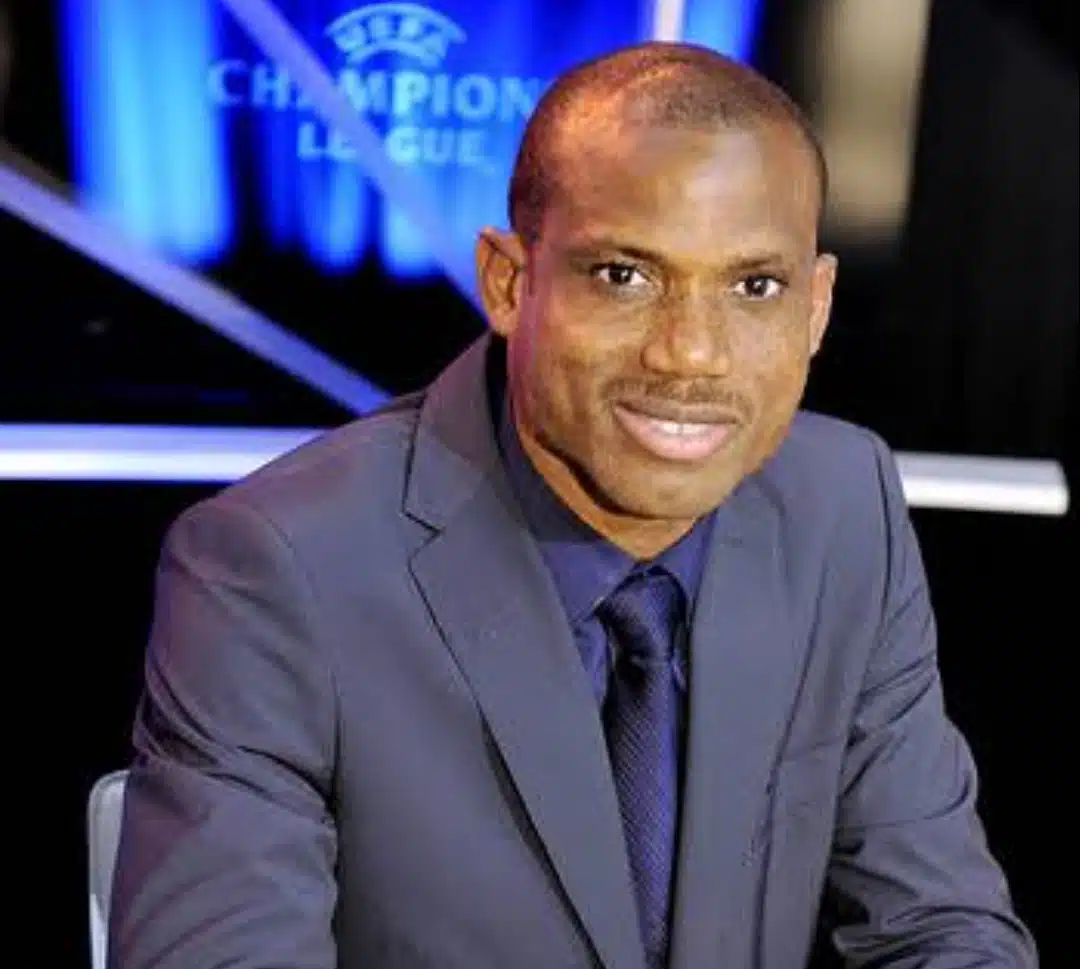
Former Super Eagles captain and manager Sunday Oliseh has finally pulled back the curtain on the logistical nightmares that defined his tenure as the head of Nigeria’s national football team. In a series of candid revelations, the legendary midfielder described a working environment that was drastically at odds with the prestigious reputation of Nigerian football on the global stage.
Oliseh, who stepped into the managerial role in 2015 during a period of transition for the three-time African champions, noted that the lack of basic training infrastructure was one of the most significant hurdles he faced. While fans often focus on tactics and player selection, Oliseh highlighted the systemic failures that made everyday preparation a Herculean task for both the technical crew and the athletes.
Speaking on his digital platform, Oliseh’s Global Football Insights Podcast, the former Juventus and Borussia Dortmund star disclosed that the team frequently lacked the most fundamental tools required for professional training. This deficit in equipment was not just limited to advanced technology or medical gear but extended to the very kits the players wore during their sessions.
One of the most striking anecdotes shared by the former coach involved the team’s daily schedule being dictated by a laundry cycle. Oliseh recounted instances where training sessions had to be significantly delayed because the players did not have enough sets of training gear. The squad was forced to wait for their morning kits to be washed and dried before they could return to the pitch for afternoon sessions.
The legendary “Passmaster” expressed his profound shock at encountering such conditions, especially given Nigeria’s stature as a continental powerhouse. For a nation that consistently produces world-class talent and commands a massive global following, the inability to provide basic apparel and training cones felt like a betrayal of the team’s potential.
Oliseh questioned how a country with such a rich footballing pedigree and immense commercial appeal could struggle to secure the necessary sponsorships to cover basic operational needs. He noted that these administrative lapses created an atmosphere of frustration that often threatened to overshadow the work being done on the field.
Despite the shadow of these logistical embarrassments, Oliseh’s statistical record during his short-lived stint remains impressively resilient. He took over the reins following Nigeria’s failure to qualify for the Africa Cup of Nations and managed to stabilize the ship under immense pressure. His tactical approach focused on a disciplined defensive structure and clinical finishing, which reflected in the team’s output.
During his fourteen matches in charge, the Super Eagles found the net 19 times while conceding a mere six goals. This defensive solidity was a hallmark of the Oliseh era, as he sought to instill the same European-style discipline he had mastered during his playing days in the Bundesliga and Serie A. He only tasted defeat twice before his eventual resignation in February 2016.
Beyond the senior team, Oliseh also successfully navigated the qualification hurdles for the African Nations Championship (CHAN) held in Rwanda. His ability to produce results with home-based players, despite the same lack of resources, served as a testament to his commitment to the development of the local game.
The revelations have sparked a fresh debate among football enthusiasts and analysts regarding the management of sports in Nigeria. Many have pointed out that the issues Oliseh faced are symptomatic of deeper institutional challenges that continue to plague the Nigerian Football Federation. The former coach’s comments serve as a reminder that coaching the Super Eagles involves much more than managing personalities; it involves fighting an uphill battle against administrative neglect.
Oliseh’s decision to speak out now appears to be a move toward setting the historical record straight. For years, his departure was framed largely through the lens of personal disputes, but these latest disclosures suggest that the “harsh reality” of the job was rooted in a fundamental lack of professional respect for the team’s basic needs.
The former captain’s insights provide a sobering look at what goes on behind the scenes of one of Africa’s most beloved sports brands. It highlights the resilience of Nigerian players and coaches who often succeed in spite of the system rather than because of it. His story is one of a professional athlete attempting to bring modern standards to an environment that was stubbornly resistant to change.
By sharing these experiences, Oliseh is not just reflecting on the past but calling for a future where Nigerian football administrators prioritize the dignity and preparation of the national team. He remains adamant that for Nigeria to return to its former glory as a top-ten global football nation, the focus must shift from political maneuvering to providing the essential tools for success on the grass.
The legacy of Sunday Oliseh as a coach remains a subject of intense discussion, but his latest revelations have certainly added a layer of empathy to his narrative. It paints a picture of a man who was fighting a war on two fronts: one on the pitch against continental rivals, and another in the dressing room against a system that couldn’t even provide a dry set of clothes.

