
Politics
Senator Ningi Slams US Airstrikes in Sokoto as Violation of Nigerian Sovereignty
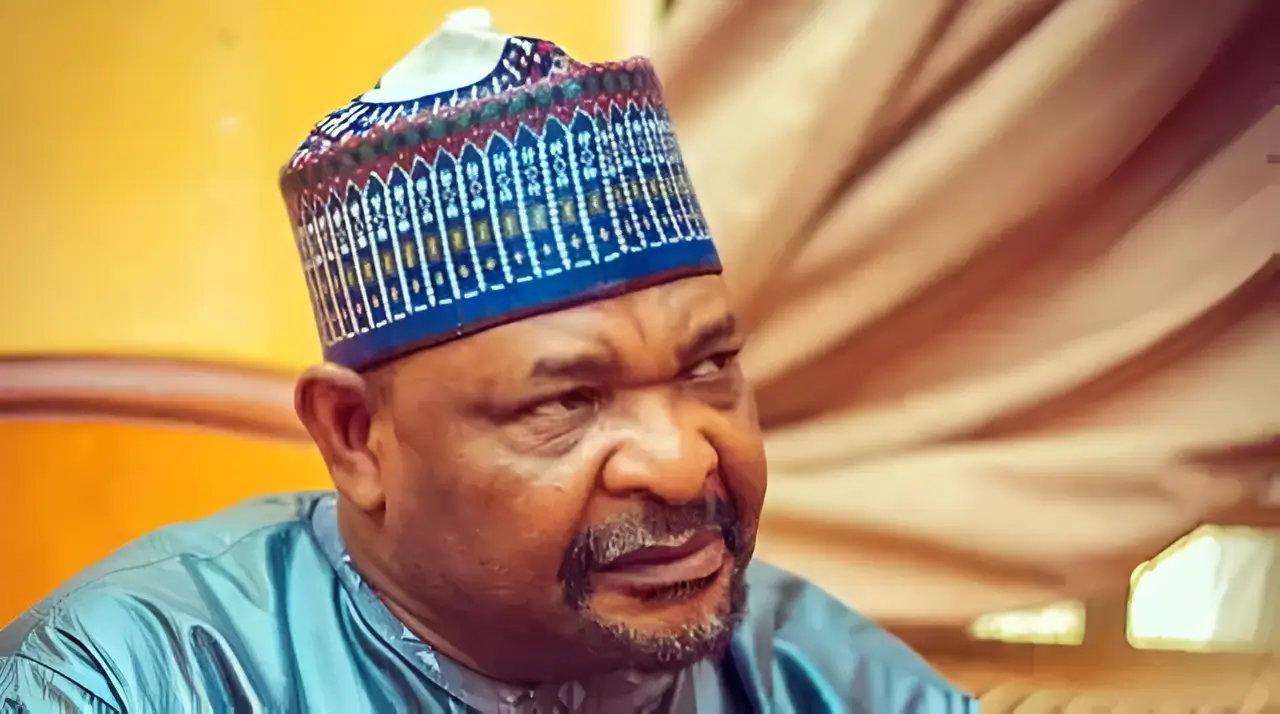
The territorial integrity of Nigeria has been thrust into the center of a heated diplomatic firestorm following recent military actions by the United States. Senator Abdul Ningi, representing Bauchi Central, has formally demanded a comprehensive explanation from the Federal Government and Washington regarding the Christmas Day airstrikes in Sokoto State. According to the lawmaker, the operation represents a direct breach of Nigeria’s sovereignty and sets a dangerous precedent for international relations on the continent.
The strikes, which targeted suspected terrorist enclaves in the Northwest region, were reportedly authorized by U.S. President Donald Trump. This military intervention followed the designation of Nigeria as a “Country of Particular Concern” (CPC). The White House previously cited allegations of widespread persecution and genocide against Christians as the catalyst for the heightened scrutiny. In a bold policy shift, the Trump administration had warned of potential military action if the Nigerian government failed to curb the violence.
Appearing on Arise News, Senator Ningi expressed deep concern over the lack of transparency surrounding the mission. He argued that the use of missiles on Nigerian soil by a foreign power without a clear, public bilateral agreement undermines the nation’s standing as an independent state. For Ningi, the issue is not merely about the elimination of terrorists but about the legal and ethical framework of such operations.
The lawmaker’s critique centers on the belief that Nigeria’s territorial borders are sacrosanct. He maintained that no matter the justification, the unilateral or inadequately communicated use of force by a foreign military violates the United Nations Charter. During a spirited debate on the floor of the Senate, Ningi highlighted the exclusion of the National Assembly from the diplomatic discussions that allegedly paved the way for the Sokoto strikes.
The exclusion of the legislative arm of government is a point of significant friction. Ningi warned that allowing such operations to proceed without rigorous oversight could embolden other global powers to bypass Nigerian authorities. He suggested that if the United States is permitted to act without consequence, other nations like Russia, France, or Germany might feel entitled to take similar actions whenever their interests are challenged.
Ningi’s rhetoric took a dramatic turn when he cautioned his colleagues about the personal safety of Nigerian leadership. He suggested that if the precedent of foreign military intervention is normalized, even high-ranking officials like Senate President Godswill Akpabio could be targeted or “hijacked” if the National Assembly passes laws that conflict with the interests of powerful Western or Eastern blocs. This highlights a growing anxiety within the capital regarding the reach of foreign influence.
The Senator emphasized that the fight against insurgency must be led by Nigerian forces or through clearly defined international partnerships that respect local laws. He noted that while the elimination of terrorists is a shared goal, the method of delivery matters immensely for the stability of the republic. The lack of a formal briefing to the Senate before such a significant military event has left many lawmakers feeling sidelined.
Public reaction to the airstrikes remains divided. While some citizens welcome any assistance in eradicating the banditry and terrorism that have plagued the Northwest, others share Ningi’s fears regarding the erosion of national pride. The designation of Nigeria as a CPC remains a point of contention, with the Nigerian government previously dismissing the label as an unfair characterization of complex internal security challenges.
As the debate intensifies, the call for a formal investigation into the Sokoto operation grows louder. Lawmakers are seeking to understand the exact nature of the intelligence shared between Abuja and Washington. They are also questioning whether the Nigerian Air Force was involved or if the operation was entirely a foreign-led execution. This distinction is crucial for determining if the act was a collaborative effort or a unilateral intrusion.
The diplomatic fallout from these airstrikes could reshape Nigeria’s foreign policy for years to come. If the government remains silent on the specifics of the US involvement, it may face further backlash from a National Assembly determined to assert its constitutional role in matters of national defense. Senator Ningi’s remarks serve as a stark reminder that in the era of global counter-terrorism, the line between cooperation and intervention is often razor-thin.
Moving forward, the Bauchi Central representative insists that Nigeria must demand a clear protocol for foreign military assistance. He argues that without such safeguards, the nation risks becoming a theater for foreign power plays. The Senate’s demand for an explanation is not just about the Christmas Day strikes, but about ensuring that the Nigerian flag remains the ultimate authority within its own borders.
Can the Nigerian government balance its need for advanced military support with the necessity of maintaining its sovereign dignity? This is the question that now hangs over the hallowed chambers of the Senate. As the international community watches, the response from the Presidency will determine whether this incident is viewed as a successful strike against terror or a historic lapse in national security protocols.


