
NEWS
Borno Bloodbath: Boko Haram Ambush Leaves 20 Dead at Bridge Construction Site
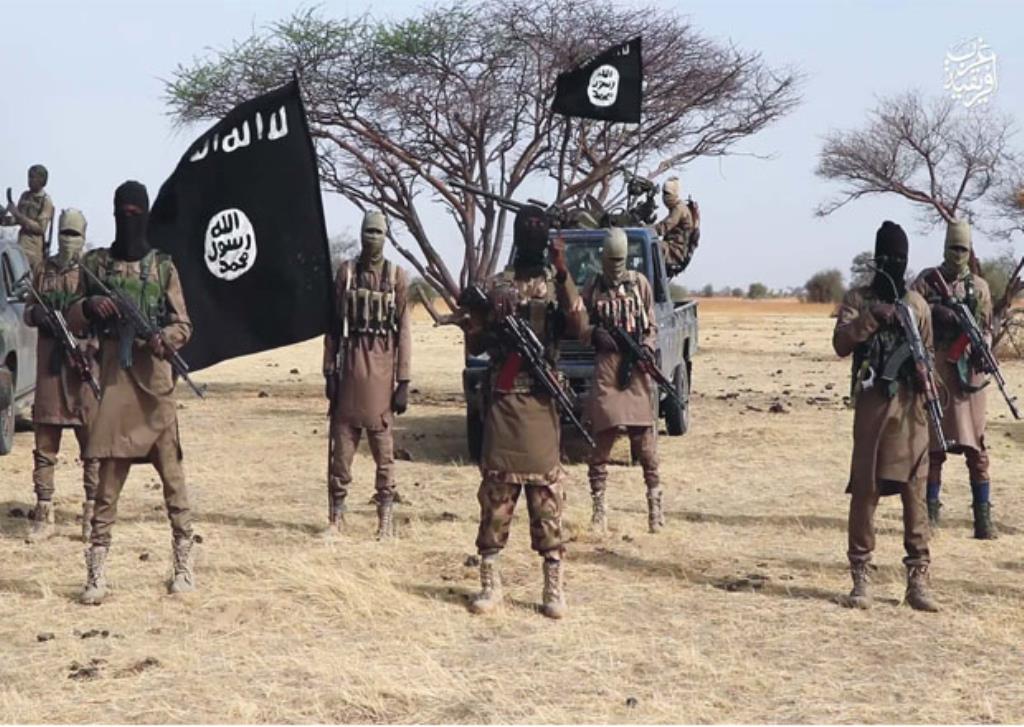
The fragile peace in Nigeria’s Northeast was shattered on Thursday when Boko Haram insurgents launched a devastating ambush in the Wajirko community, leaving a trail of blood and grief along the Biu–Damboa Road. In a coordinated assault that struck around midday, at least 20 people, including gallant soldiers, local volunteers, and defenseless laborers, were massacred. The incident has once again cast a dark shadow over Borno State, highlighting the persistent volatility of a region that has struggled under the weight of insurgency for over a decade.
Security sources revealed that the victims were targeted while working on a critical infrastructure project. The laborers were engaged in the reconstruction of a bridge—a vital link for commerce and military movement—when the terrorists emerged from the surrounding wilderness. The presence of security escorts was not enough to deter the attackers, who opened fire with overwhelming force. Among the fallen were five soldiers of the Nigerian Army and three courageous members of the Civilian Joint Task Force (CJTF), who died while attempting to repel the onslaught and protect the civilian workers.
The Biu Forum, a prominent community group, confirmed the staggering death toll in a somber statement on Friday. National Secretary Bukar Tashkalma expressed profound shock, noting that the community is currently in a state of mourning. Most of the victims hailed from Biu, a town that has frequently stood as a bulwark against extremist expansion. The loss of these individuals, many of whom were breadwinners providing essential labor for regional development, has left a void that the community struggles to comprehend.
Funeral rites for the deceased were held under a heavy atmosphere of sorrow at the Biu Central Mosque. Following Islamic injunctions, the Chief Imam led the Jana’iza prayers as thousands of residents gathered to pay their final respects. The burial ceremony served as a grim reminder of the daily risks faced by those living and working in the fringes of the Sambisa Forest. While the community buried its dead, the call for justice and increased protection echoed throughout the state, with local leaders urging the Federal Government to rethink its security architecture in the North-East.
This latest massacre at Wajirko is not an isolated event but part of a disturbing resurgence of violence in the area. Only a week prior, the Hawul Local Government Area was plunged into chaos when terrorists raided Tarfa village. During that attack, a pastor and four residents were murdered, and several homes were razed to the ground, forcing a fresh wave of displacement. The frequency of these strikes suggests that despite significant military gains over the years, the insurgents still possess the capacity to strike “soft” targets and vital infrastructure at will.
While Borno mourns, the Nigerian Army has reported significant breakthroughs in other theaters of operation. In Kwara State, troops of the 22 Armoured Brigade, supported by the Office of the National Security Adviser, have been conducting a relentless offensive under Operation FANSAN YAMMA. Between January 23 and 29, the military successfully dismantled several bandit enclaves that had been terrorizing local communities. These operations, centered largely around the Ifelodun Local Government Area, have resulted in the neutralization of numerous criminals and the destruction of their logistics bases.
Captain Maureen Ogbuka, the Army’s spokesperson for the 2 Division, confirmed that troops have successfully cleared notorious hideouts like Garin Dandi, which were previously considered inaccessible. The military utilized aggressive fighting patrols to dislodge the bandits, many of whom fled deep into the forests with gunshot wounds. The destruction of these camps is seen as a major blow to the “sustainment capability” of the criminal networks operating in the North-Central region, offering a glimmer of hope amidst the tragedy in the North-East.
However, the military also issued a stern warning regarding internal threats. Intelligence gathered during the Kwara operations suggests that some local residents may be aiding and abetting the bandits by providing food, fuel, and information on troop movements. The Army emphasized that such collaboration is a betrayal of the community and significantly undermines the efforts of security forces. They called on traditional rulers and local stakeholders to weed out informants within their ranks to ensure that military gains are not reversed.
The contrast between the “significant successes” in Kwara and the tragic ambush in Borno illustrates the complex, multi-front war Nigeria is currently fighting. While bandits are being degraded in the West and North-Central, the ideological insurgency in the North-East remains a lethal and adaptive foe. The Wajirko bridge attack specifically targeted the state’s efforts to rebuild, suggesting a deliberate strategy by Boko Haram to sabotage the socio-economic recovery of the region.
As Borno State starts the process of healing after Thursday’s tragedy, the demand for a more proactive security presence along the Biu–Damboa axis has intensified. For the families of the 20 victims, the road to recovery will be long, and the scars of the Wajirko ambush will remain as a testament to the ongoing sacrifice required to secure the nation. The government now faces the dual challenge of sustaining its offensive in the North-Central while reinforcing the vulnerable corridors of the North-East to prevent a total relapse into the dark days of the insurgency.


