
NEWS
Faith and Freedom: PFN Stands by INEC Chief Amid Genocide Row
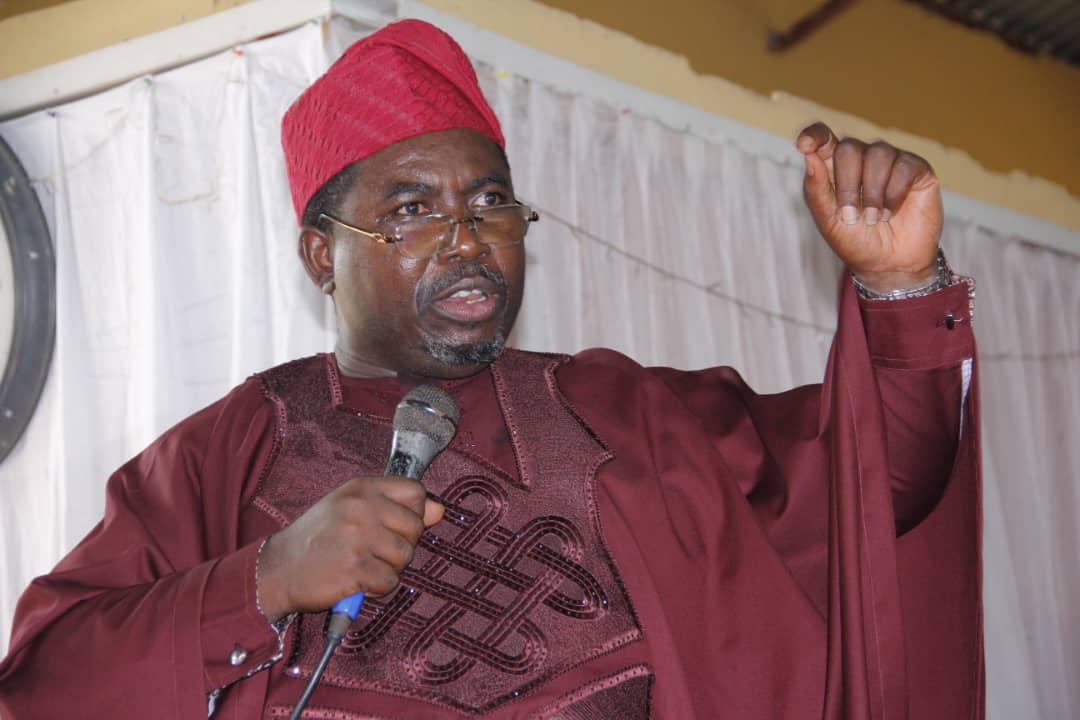
The intersection of religious sentiment and public office has once again ignited a firestorm in Nigeria’s political arena. The Pentecostal Fellowship of Nigeria (PFN) has officially entered the fray, issuing a forceful rejection of calls for the removal of the Chairman of the Independent National Electoral Commission (INEC), Prof. Joash Amupitan. The controversy stems from alleged comments made by the electoral chief regarding genocide, a topic that has sent ripples through the nation’s sensitive socio-religious fabric.
At the heart of the dispute is a demand from the Supreme Council for Shari’ah in Nigeria, which has sought Amupitan’s ouster following his purported remarks. However, the PFN, through its National Secretary, Bishop David Bakare, has dismissed these demands as unjustified and a direct assault on the constitutional freedoms guaranteed to every Nigerian. The Fellowship argues that the call for dismissal sets a dangerous precedent for the silencing of public officials on matters of national conscience.
The PFN’s defense hinges on a clear distinction between an individual’s private convictions and their public mandate. In a statement that emphasized the sanctity of the Nigerian Constitution, the body argued that Prof. Amupitan possesses an inalienable right to express his views on national issues. The Fellowship pointed out that the comments in question were made in a personal capacity and had absolutely no bearing on his official duties or the conduct of the nation’s electoral processes.
Crucially, the PFN noted that the electoral commission’s functions are governed by law and are independent of the personal opinions of its leadership. By attempting to link personal observations about national security and human rights to his professional role at INEC, the PFN suggests that critics are overreaching. “We strongly oppose such calls,” the statement read, asserting that an appointment to public office should not come at the cost of one’s voice as a citizen.
The Fellowship’s stance also serves as a sharp critique of the “religious profiling” they believe is taking root in Nigeria’s political discourse. The PFN cautioned against the growing tendency to filter every national event or statement through a religious lens. This approach, they warned, does nothing but exacerbate existing tensions and erode the foundations of peaceful coexistence in a multi-faith society.
By condemning the move to punish Amupitan, the PFN is positioning itself as a guardian of civic space. They argue that if a public official can be hounded out of office for sharing an observation on the state of the nation, then no Nigerian is truly free to speak. The Fellowship’s message is one of institutional protection: public officials must be judged by the performance of their duties, not by the popularity of their private opinions.
The controversy highlights the thin ice on which Nigerian public figures tread when discussing sensitive topics like genocide or ethnic conflict. However, the PFN remains adamant that “bearing one’s mind” should not be a sackable offense. They have called on all stakeholders, particularly religious bodies, to exercise restraint and prioritize the nation’s unity over sectarian grievances.
As the debate continues to unfold, the PFN has reaffirmed its commitment to justice and mutual respect. They are urging a return to a style of public engagement that values dialogue over dismissal. For the Fellowship, the issue transcends the person of Prof. Amupitan; it is about protecting the right of every Nigerian to participate in the national conversation without fear of professional liquidation.
The outcome of this standoff could define the boundaries of free speech for high-ranking government officials in the years leading up to the next major election cycle. If the PFN’s intervention holds weight, it may provide a necessary buffer against the politicization of personal opinion, ensuring that the focus remains on the integrity of the electoral institution rather than the individual beliefs of its chairman.
Ultimately, the PFN is calling for a “restraint of the gavel” when it comes to judging public servants. They believe that peace and national progress can only be achieved when there is room for diverse perspectives, even on the most uncomfortable topics. As the nation watches, the PFN’s defense of Amupitan stands as a reminder that the constitutional right to speak is the bedrock of any functioning democracy.


