
NEWS
House Pledges Landmark Electoral Reforms for 2027
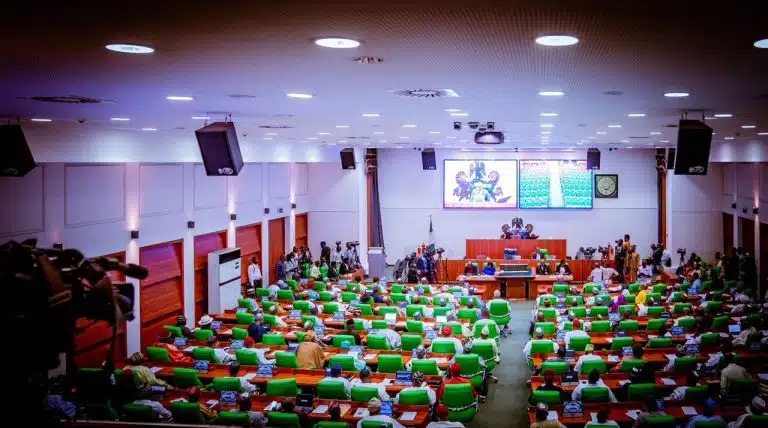
The quest for a more transparent and foolproof democratic process in Nigeria has received a fresh boost as the House of Representatives reaffirmed its commitment to delivering a transformative Electoral Reform Bill. This assurance comes at a critical juncture as the nation looks toward the 2027 general elections with a mix of anticipation and scrutiny.
Speaking from his constituency in Ekiti North Federal Constituency I, House Spokesman Akintunde Rotimi addressed the growing public discourse surrounding the legislative delays. During a Saturday ceremony to inaugurate key infrastructure projects in Ikole Local Government Area, the lawmaker emphasized that the National Assembly is not merely drafting a document but is instead engineering a resilient foundation for future governance.
The urgency of these reforms has become a focal point for both citizens and political observers. Following the complexities and logistical hurdles witnessed during the 2023 general elections, the demand for legislative intervention has never been higher. Rotimi’s remarks suggest that the legislature has been listening, characterizing the upcoming bill as a direct response to the shortcomings exposed in previous cycles.
The legislative process is currently in a delicate phase of harmonization. While the House of Representatives concluded its initial passage of the bill in December, the Senate and House committees are now working to align their versions. This collaborative effort, according to Rotimi, involves extensive consultations with civil society organizations, community leaders, and various interest groups to ensure the final law is inclusive and robust.
The Spokesman’s visit to Ekiti was not solely focused on national policy. He also underscored the importance of grassroots development, commissioning two vital road projects in Isaba and Oke-Ayedun, alongside new staff quarters at Odo-Oro High School. These projects, he noted, were the result of a deliberate strategy to allow constituents to dictate their own developmental priorities. This needs-based approach to governance mirrors the intent of the electoral reforms—putting the power back into the hands of the people.
Despite these assurances, the political climate remains charged. The African Democratic Congress (ADC) has recently voiced sharp criticisms regarding the pace of the bill’s progress. ADC National Publicity Secretary Bolaji Abdullahi warned that any further stalling by the APC-led Senate could jeopardize the integrity of the 2027 polls. The opposition party’s stance reflects a broader anxiety that delays in legislative reform often translate to logistical failures on election day.
Responding to these concerns, Rotimi pointed to his own legislative track record as evidence of the House’s productivity. With over 40 bills sponsored, ranging from whistleblower protection to independent candidacy and the prevention of sexual harassment in schools, he argued that the current assembly is focused on high-impact legislation. The inclusion of independent candidacy in his portfolio is particularly noteworthy, as it represents a significant shift in how Nigerians might engage with the ballot in the future.
The core of the proposed Electoral Reform Bill 2025 aims to enhance the transparency and efficiency of the Independent National Electoral Commission (INEC). By integrating feedback from stakeholders, the bill seeks to address technical glitches, improve result transmission protocols, and ensure that the will of the people is accurately reflected in the final counts. Rotimi’s mantra remains clear: for democracy to thrive, Nigerians must be able to vote freely, and those votes must be seen to count.
As the Joint House and Senate Committees continue their retreats and deliberations, the eyes of the international community and domestic watchdogs remain fixed on Abuja. The successful passage of a harmonized bill would represent a significant win for the Tinubu administration and the 10th National Assembly, potentially silencing critics who fear a return to the status quo.
For the average Nigerian, the promise of credible reform is more than just a political talking point; it is a prerequisite for national stability. Rotimi has urged the public to maintain confidence in the legislative process, pledging that the final version of the bill will not only meet public expectations but will also correct the systemic deficiencies that have historically dogged the nation’s polls.
The road to 2027 is paved with legislative intent. Whether this intent translates into a seamless electoral experience remains to be seen, but the current momentum in the House of Representatives suggests a renewed appetite for change. As the harmonization process nears its conclusion, the focus now shifts to the Senate to see if they will match the House’s pace and deliver the reform that the ADC and other stakeholders are so vehemently demanding.
Beyond the ballot box, the lawmaker’s activity in Ekiti highlights the dual role of modern Nigerian legislators. Balancing the macro-level demands of national lawmaking with the micro-level needs of local infrastructure is a tightrope walk. Rotimi argues that both are essential for “democratic dividends” to be felt by the common man. By improving roads and schools today, and securing the vote for tomorrow, the assembly aims to rebuild trust in a system that has often felt disconnected from the populace.
Ultimately, the credibility of the next election cycle hinges on the fine print of the bill currently under review. If the National Assembly succeeds in harmonizing a bill that addresses electronic transmission of results and stricter penalties for electoral malpractice, it could mark the beginning of a new era for Nigerian democracy. For now, the nation waits for the gavel to fall on a final, unified document.