
Politics
NNPP Brands Governor Yusuf’s Defection a ‘Cold Betrayal’
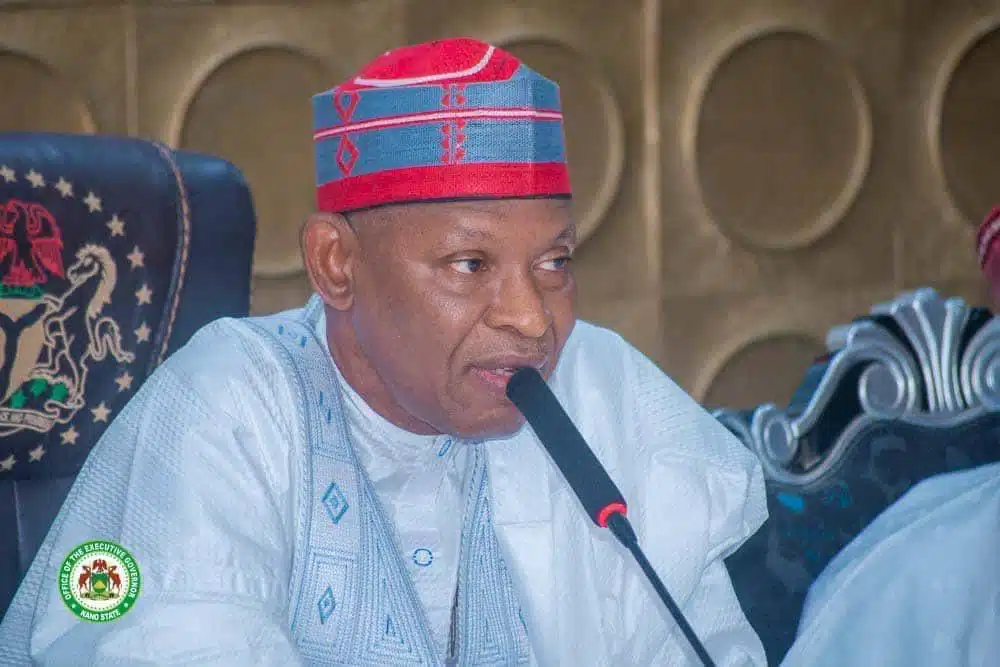
The political landscape of Kano State shifted dramatically this January as Governor Abba Kabir Yusuf officially severed ties with the New Nigeria Peoples Party (NNPP) to join the All Progressives Congress (APC). The move, finalized on January 23, 2026, has ignited a firestorm of criticism from his former party, which characterized the exit as a profound breach of trust.
In a scathing response, the NNPP National Working Committee described the governor’s departure as a “cold betrayal of a sacred trust.” Ladipo Johnson, the party’s National Publicity Secretary, dismissed Yusuf’s justification for the move—specifically his claim of an “irredeemable crisis” within the party—labeling it a baseless afterthought.
The rift represents a historic divorce between the governor and the Kwankwasiyya movement, the powerful political machine led by Senator Rabiu Musa Kwankwaso. For over two decades, Yusuf was seen as a protégé of Kwankwaso, and his 2023 electoral victory was largely attributed to the movement’s grassroots dominance in Kano.
The NNPP’s leadership pointed to the party’s recent successes as evidence that Yusuf’s claims of internal instability were manufactured. They noted that the governor himself attended the party’s national convention in December 2025 and witnessed successful supplementary elections just months prior. These milestones, the party argues, suggest a vibrant and united organization rather than a failing one.
Historical parallels were drawn to the early 1980s, when Abubakar Rimi defected from the People’s Redemption Party (PRP) under similar circumstances. The NNPP reminded the public that Rimi’s move led to a humiliating electoral defeat in 1983, suggesting that Yusuf’s “political miscalculation” might face a similar verdict from the Kano electorate in 2027.
The defection was not a solo act. Yusuf was accompanied by 21 members of the Kano State House of Assembly, eight members of the House of Representatives, and all 44 local government chairmen. This mass migration of institutional power has effectively left the NNPP fighting for its relevance in its most significant stronghold.
Amid the fallout, Senator Kwankwaso has reportedly dubbed January 23 as “World Betrayal Day” among his loyalists. The movement feels that the governor has handed the state back to the very political forces the electorate rejected during the last general election.
The African Democratic Congress (ADC) and other observers have noted that this realignment could reshape the 2027 polls. With Yusuf now heading the APC in Kano, the state enters a complex phase of governance where former rivals must now navigate shared power within the ruling party.
Despite the setback, the NNPP urged its over one million voters to remain calm. The party expressed confidence that the people of Kano value principle over political expediency and that the true strength of their movement lies with the masses, not with defecting officials.
As Kano’s political theater enters this new chapter, the focus turns to whether Governor Yusuf can maintain his independence within the APC or if he has traded one “political godfather” for another.


