
NEWS
Energy Relief: Petrol and Gas Prices Dip
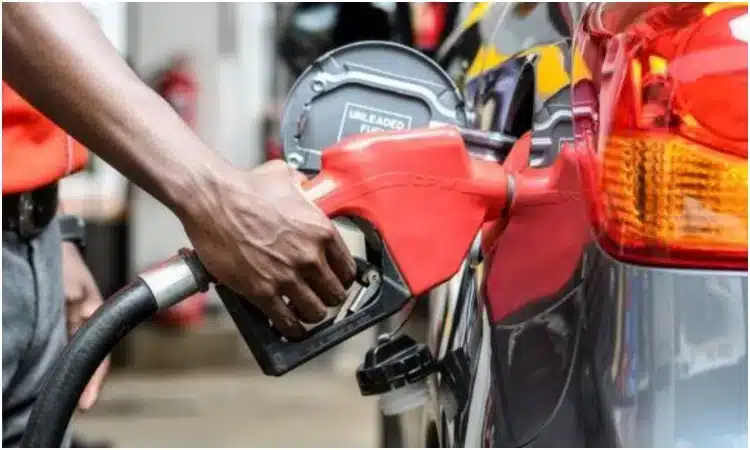
In a refreshing turn for Nigerian households, the latest data from the National Bureau of Statistics (NBS) reveals a significant downward trend in energy costs. As of December 2025, both Premium Motor Spirit (PMS) and Liquefied Petroleum Gas (LPG) have seen notable price reductions. This shift signals a potential easing of the inflationary pressures that have historically weighed down the average citizen’s disposable income.
For many families, the most visible relief comes from the kitchen. The cost of refilling a 5kg cylinder of cooking gas dropped by over 25 percent compared to the same period in 2024. This year-on-year plunge from ₦7,177.27 to ₦5,360.43 represents a substantial victory for domestic budgeting. Even on a month-to-month basis, the price edged down by 1.20 percent, suggesting that the era of runaway gas prices may be entering a period of cooling.
The narrative of declining costs extends to the larger 12.5kg cylinders as well. Data shows a 22.20 percent drop over the last twelve months, with the average price landing at ₦13,438.90 in December 2025. While these national averages offer a hopeful outlook, the NBS report highlights a persistent reality: geography dictates the depth of your pocket.
State-level analysis reveals a staggered pricing landscape. Residents in Kaduna, Jigawa, and Osun found themselves paying the highest rates for a 5kg refill, with prices hovering between ₦5,770 and ₦5,840. Conversely, Katsina emerged as a haven for affordable energy, boasting the lowest average price in the country at ₦4,855.80. This disparity underscores the ongoing logistical challenges in maintaining uniform energy distribution across Nigeria’s vast geopolitical zones.
The transportation sector also received a breather. Petrol prices, which often serve as the heartbeat of the Nigerian economy, dipped to an average of ₦1,048.63 per litre. This marks an 11.81 percent reduction from the ₦1,189.12 recorded in December 2024. For commuters and small business owners reliant on generators, this marginal but steady decline offers a glimmer of predictability in a market often characterized by volatility.
Regional trends in petrol pricing followed a familiar pattern. The North East remains the most expensive zone for fuel, while the South West continues to enjoy the lowest average rates. Specifically, Kogi State recorded the highest pump prices at ₦1,104.45, while Oyo State offered the most relief with prices dipping below the thousand-naira mark at ₦996.55.
Economists suggest that these declining figures are part of a broader “normalisation” of Nigeria’s inflation data. Following a methodological review and the rebasing of the Consumer Price Index (CPI), the headline inflation rate reportedly eased to 15.15 percent in December 2025. While “core inflation”—which often excludes volatile energy prices—also moderated, the direct impact of cheaper fuel and gas cannot be overstated.
The reduction in energy costs acts as a double-edged sword for the economy. On one hand, it lowers the cost of production and transport, which should theoretically lead to cheaper food and services. On the other hand, the NBS notes that energy prices actually rose by 2.74 percent within the final month of the year, even as the year-on-year figures showed a decline. This suggests that while the long-term trend is positive, short-term fluctuations still pose a challenge for the unwary consumer.
Ultimately, the December 2025 energy report offers a rare moment of optimism. In a country where the cost of living has been a central theme of public discourse, a 25 percent drop in cooking gas and a 11 percent dip in petrol are more than just statistics; they are tangible signs of a shifting economic tide. As the nation moves into 2026, the focus remains on whether these gains can be sustained or if the ghost of price hikes will return to haunt the pumps and the kitchens.