
NEWS
Federal Government Disburses ₦2.45 Trillion to States
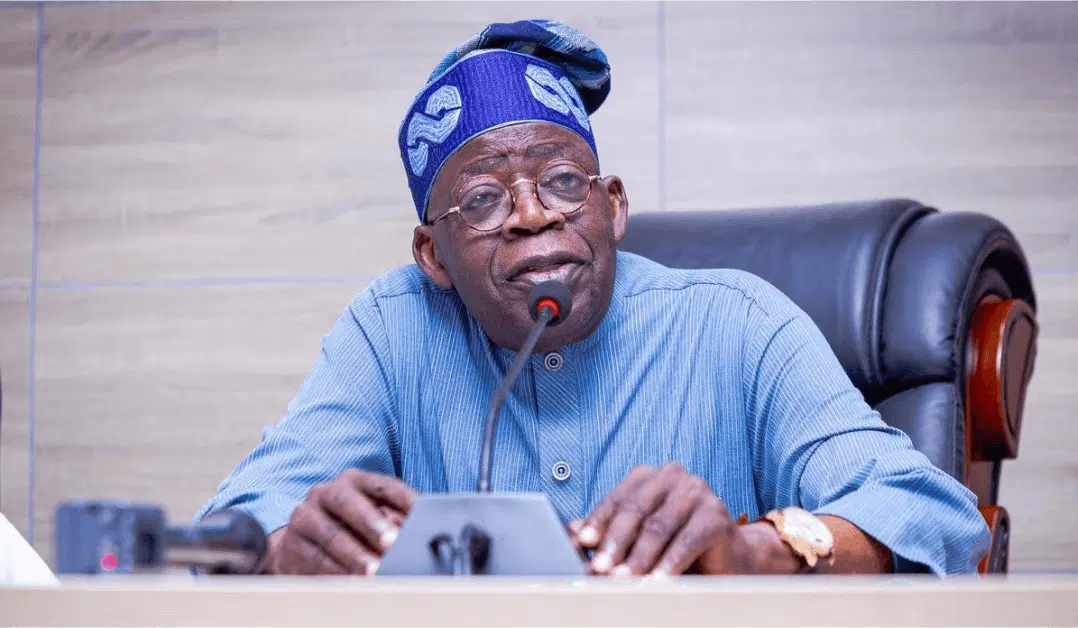
In a massive financial intervention aimed at stabilizing the subnational economy, President Bola Tinubu’s administration has disbursed ₦2.45 trillion to Nigeria’s 36 states and the Federal Capital Territory (FCT). This significant liquidity injection, carried out between March 2024 and August 2025, is specifically earmarked for critical infrastructure and security projects. According to Daniel Bwala, the Special Adviser to the President on Policy Communication, these funds represent the federal government’s commitment to ensuring that governance results reach the grassroots.
The timing of this disbursement is crucial as Nigeria navigates complex economic reforms. The presidency noted that the multi-trillion naira support is already being deployed to bridge the infrastructure gap by rehabilitating dilapidated roads, constructing bridges, and upgrading primary healthcare and educational facilities. Beyond physical structures, a substantial portion of the fund is dedicated to bolstering local security operations, empowering states to respond more effectively to safety challenges within their specific communities.
Defending the scale of the intervention, the presidency clarified that this approach is consistent with global best practices in fiscal federalism. Bwala drew parallels with advanced economies like the United States, where the central government routinely provides substantial grants to states and local councils to ensure essential public services remain uninterrupted. In Nigeria’s context, this ₦2.45 trillion serves as a lifeline to state governments, enabling them to meet developmental goals that might otherwise be stifled by fluctuating internal revenues.
The federal government’s strategy is deeply rooted in the 2025 “Budget of Restoration,” which prioritizes security, infrastructure, health, and education. By pushing resources directly to the states, the administration hopes to decentralize prosperity and stimulate job creation in local sectors such as transport and public works. The presidency emphasizes that strong cooperation between the tiers of government is the only path toward a safer and more prosperous nation.
However, the release of such massive funds has also sparked renewed calls for transparency. While the federal government has fulfilled its part by making the resources available, public policy analysts and civil society organizations are now turning their attention toward state governors. There is a growing demand for a transparent accounting of how these trillions are being utilized at the state level to ensure that the intended “restoration” is visible in the lives of ordinary citizens.
President Tinubu remains resolute that the foundation of national progress is security. By increasing funding for military and police operations—and extending that support to the subnational level—the administration aims to consolidate government control over troubled territories. This fiscal support to states is seen as a move to revive local businesses and restore productivity in communities that have long been hampered by poor connectivity and insecurity.
As the 2025 fiscal cycle continues, the presidency has assured Nigerians that it will continue to monitor the impact of these interventions. The goal is to move from a system of fragmented development to a synchronized national growth pattern where every state has the financial capacity to provide modern tools for safety and essential services for human development.


