
NEWS
Buhari’s Deepest Regret: The Insecurity That Haunted His Presidency
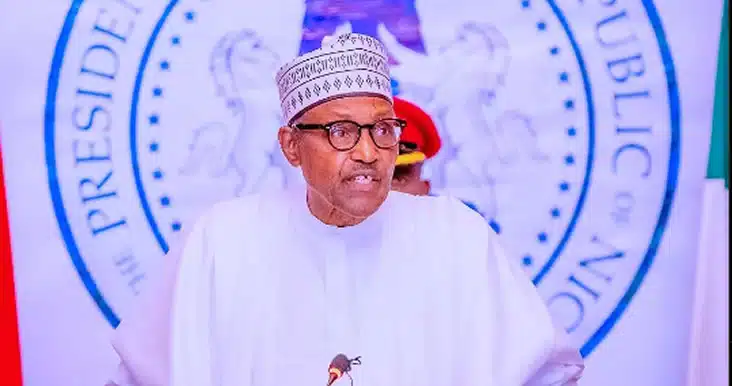
The corridors of power in Abuja are often filled with secrets, but few are as heavy as the personal frustrations of a departing leader. According to Professor Ibrahim Gambari, the former Chief of Staff to Muhammadu Buhari, the weight of Nigeria’s persistent insecurity was the single greatest burden the former president carried out of Aso Rock. While political legacies are often measured in infrastructure and policy, Gambari suggests that for Buhari, the metric was much more visceral: the safety of the Nigerian people.
During a candid reflection on a recent television appearance, Gambari pulled back the curtain on the retired general’s mindset. He painted a picture of a leader who felt a profound sense of “pain” over his inability to fully extinguish the flames of violence across the country. This admission offers a rare glimpse into the psyche of a man known for his stoic, often detached public persona. To hear his closest aide tell it, the former president was far from indifferent; he was a man grappling with the limits of his own influence.
Gambari was quick to point out that Buhari did not view his tenure as a total failure in the realm of defense. He highlighted the administration’s successes in reclaiming territories from the Boko Haram insurgency in the North-East. At the start of his term in 2015, significant swathes of Nigerian land were under the control of terrorists. By the time he handed over the reins to President Bola Tinubu, the narrative of “territorial control” had shifted significantly. However, as one fire was being contained, others were erupting with terrifying frequency.
The shift from organized insurgency to the chaotic, decentralized brutality of banditry in the North-West and North-Central regions appeared to be Buhari’s Achilles’ heel. Gambari noted that the persistent attacks, kidnappings, and village raids in these areas weighed heavily on the former leader. It wasn’t just a matter of military strategy; it was a personal disappointment. Buhari reportedly felt he had exhausted every resource available to him, yet the bloodletting continued to stain the map of Nigeria.
There is a certain irony in Gambari’s recollection of Buhari’s words: “I’ve done everything I can for these people.” It suggests a leader who felt his efforts were being met with an immovable wall of systemic rot or evolving criminal tactics. At one point, Buhari even questioned if the very “base” of the security apparatus he inherited was sufficient for the task. This admission of vulnerability is striking for a former military head of state who was elected largely on the promise of restoring order.
The conversation also touched upon the murky waters of political stability. Recent claims by the Minister of Defence suggested that the transition to the current administration was shadowed by the threat of a military coup. When pressed on these rumors, Gambari maintained a diplomatic but firm stance. He stated that no such intelligence had crossed his desk during his time as the gatekeeper of the presidency. While he didn’t outright dismiss the possibility, his response highlighted the fragmented nature of intelligence sharing within the highest levels of government.
Gambari’s perspective suggests that a President often operates within multiple bubbles of information. While the Chief of Staff is a primary conduit, the Commander-in-Chief has access to various security channels that may bypass the civilian staff. This “need-to-know” culture means that even the most powerful aides are sometimes left in the dark regarding the most sensitive threats to the state. Whether the coup rumors were substantiated or merely political noise remains a point of contention, but for Gambari, the focus remains on the legacy of the man he served.
Ultimately, the story of the Buhari administration, as told by Gambari, is one of unfinished business. It is a narrative of a leader who entered office with the sword of a reformer and left with the heavy heart of a man who realized that some wounds are deeper than any single administration can heal. The “pain” Gambari describes is likely shared by millions of Nigerians who continue to navigate the same security challenges that troubled the former president.
As Nigeria moves forward under new leadership, the reflections of Ibrahim Gambari serve as a sobering reminder of the complexities of African governance. The transition of power may be seamless on paper, but the emotional and psychological toll of leadership lingers long after the motorcades have stopped. For Muhammadu Buhari, the quiet of his retirement in Daura is apparently echoed by the lingering questions of what more could have been done to secure the nation.


