
NEWS
Unified Front: Uba Sani’s Popularity Surge in Kaduna
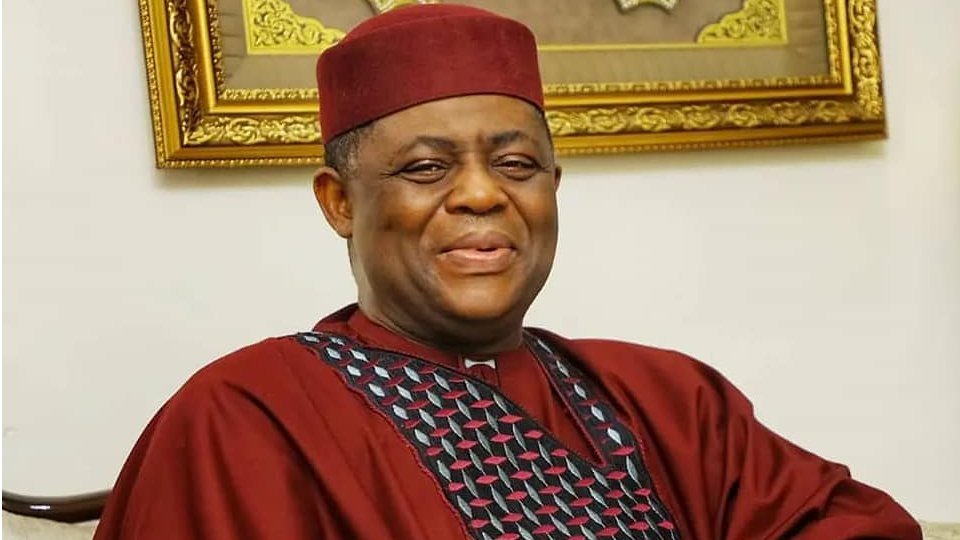
In a striking endorsement of regional leadership, Ambassador-designate Femi Fani-Kayode has predicted that Governor Uba Sani will emerge as the most popular and unifying figure in the history of Kaduna State. The former Aviation Minister, who has maintained a close friendship with the Governor for over two decades, took to his social media to highlight what he describes as an unprecedented era of religious and social reconciliation.
Fani-Kayode’s appraisal centers on the Governor’s unique ability to bridge the historically volatile divide between the state’s Christian and Muslim populations. In a state often scarred by ethno-religious tension, Sani’s “humane” approach—including symbolic gestures like attending Christian synods and participating in unity carols—has been hailed as a “divine intervention” to heal long-standing mistrust. Beyond the symbolism, the former minister noted that the Governor’s massive investment in infrastructure across all 23 local governments is currently “second to none.”
The Governor’s rising stock isn’t just a matter of personal popularity but is increasingly reflected in the state’s political arithmetic. Vice President Kashim Shettima, during a high-profile visit to commission the Tudun Biri Resettlement Scheme, observed that Kaduna is rapidly transforming into a de facto “one-party state” under Sani’s watch. This transformation follows a wave of high-profile defections from the opposition Peoples Democratic Party (PDP), Labour Party, and NNPP to the ruling All Progressives Congress (APC).
Shettima recalled that in 2023, the APC faced significant setbacks in the state, losing all three Senate seats and the majority of House of Representatives slots. However, the tide has turned dramatically. Notable figures, including former Governor Mukhtar Ramalan Yero and several serving federal lawmakers, have crossed the aisle, citing Sani’s inclusive governance as their primary motivation.
The Vice President specifically pointed to Southern Kaduna, a region that had consistently voted against the APC since the return to democracy in 1999. Under Sani’s leadership, the zone recently elected its first APC senator, a feat Shettima described as a direct result of “leadership that fosters trust.” The administration’s “pro-poor” policies and its commitment to ensuring no community is left behind appear to be eroding the traditional fault lines of Kaduna politics.
From the reconstruction of major road networks to the ambitious “ward development model” that allocates N100 million to every ward for community projects, the administration is focusing on tangible delivery as a campaign strategy. For observers like Fani-Kayode, these results suggest that Uba Sani’s legacy will be defined not just by his two terms in office, but by his success in making Kaduna a model of unity in diversity.


