
Politics
ADP and Atiku Forge Strategic “Plan B” Amid 2027 Election Realignment
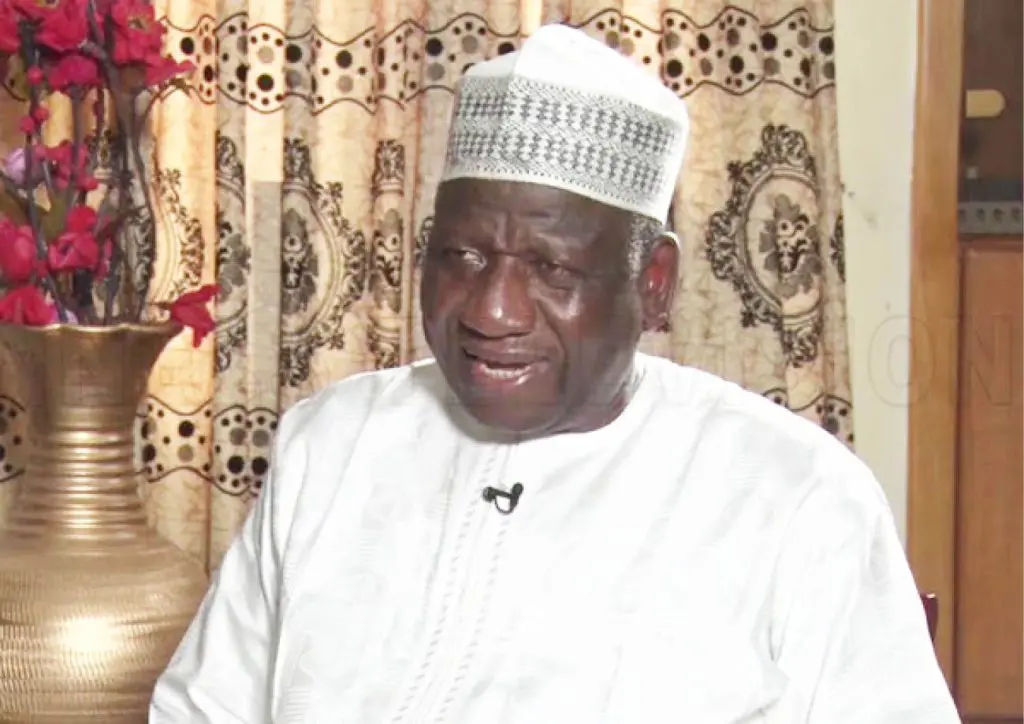
The landscape of Nigerian opposition politics is shifting into a higher gear as the Action Democratic Party (ADP) confirmed a high-stakes consultative meeting with former Vice President Atiku Abubakar. Held in Abuja on February 1, 2026, the session signaled a deepening effort by opposition blocks to insulate themselves against the dominance of the ruling All Progressives Congress (APC). National Chairman of the ADP, Yabagi Sani, framed the dialogue as a protective measure for the country’s multi-party system, which many in the opposition believe is under systematic pressure.
Central to the discussions was the development of a robust “Plan B” for the 2027 general elections. Sani articulated a strategy of political redundancy, designed to ensure that the broader opposition movement is not decapitated by legal or logistical hurdles. By creating a synergy across multiple platforms, the opposition seeks to maintain viability even if specific candidates or parties face disqualification, technical litigation, or the administrative bottlenecks that have historically plagued Nigerian elections.
Speculation has been rife among political observers that Atiku Abubakar is positioning the ADP as a critical fallback option. This comes on the heels of his high-profile exit from the Peoples Democratic Party (PDP) in mid-2025 and his subsequent move toward the African Democratic Congress (ADC). If internal friction or zoning debates within the ADC complicate his path to the presidency, the ADP offers a ready-made structure with a national reach.
However, the ADP leadership has been careful to categorize these talks as part of a much broader consultative framework. Sani emphasized that the party is engaging with a diverse array of stakeholders, including civic platforms like the National Youth Alliance. The goal, according to party insiders, is not an immediate merger or a formal coalition, but rather an “understanding” that allows for seamless collaboration when the electoral season reaches its peak.
The sense of urgency within these meetings reflects a growing concern that the ruling party is attempting to discourage active opposition participation. By initiating these talks early in 2026, the ADP and its allies hope to foster an environment where opposition groups feel reinforced rather than isolated. This proactive engagement is seen as a necessary antidote to the political apathy that often sets in between election cycles.
Another senior ADP figure, speaking on condition of anonymity, noted that the conversations are focused more on “democratic pluralism” than on any single individual’s ambition. While Atiku’s presence naturally commands the headlines, the underlying mission remains the preservation of a competitive political arena. The party maintains that the country’s development and the stability of its democracy depend on the existence of credible alternatives to the current administration.
As 2027 draws closer, more meetings are expected with youth-led organizations and other influential opposition figures. The ADP’s “open door” policy suggests that the next eighteen months will be defined by fluid alliances and strategic backups. For Atiku and the ADP, the Abuja meeting was the first brick in what they hope will be a fortress of democratic resilience, capable of weathering the inevitable storms of a Nigerian presidential race.


