
NEWS
Garri to Eba: Isaac Fayose Warns Senate Over Election Result ‘Mischief’
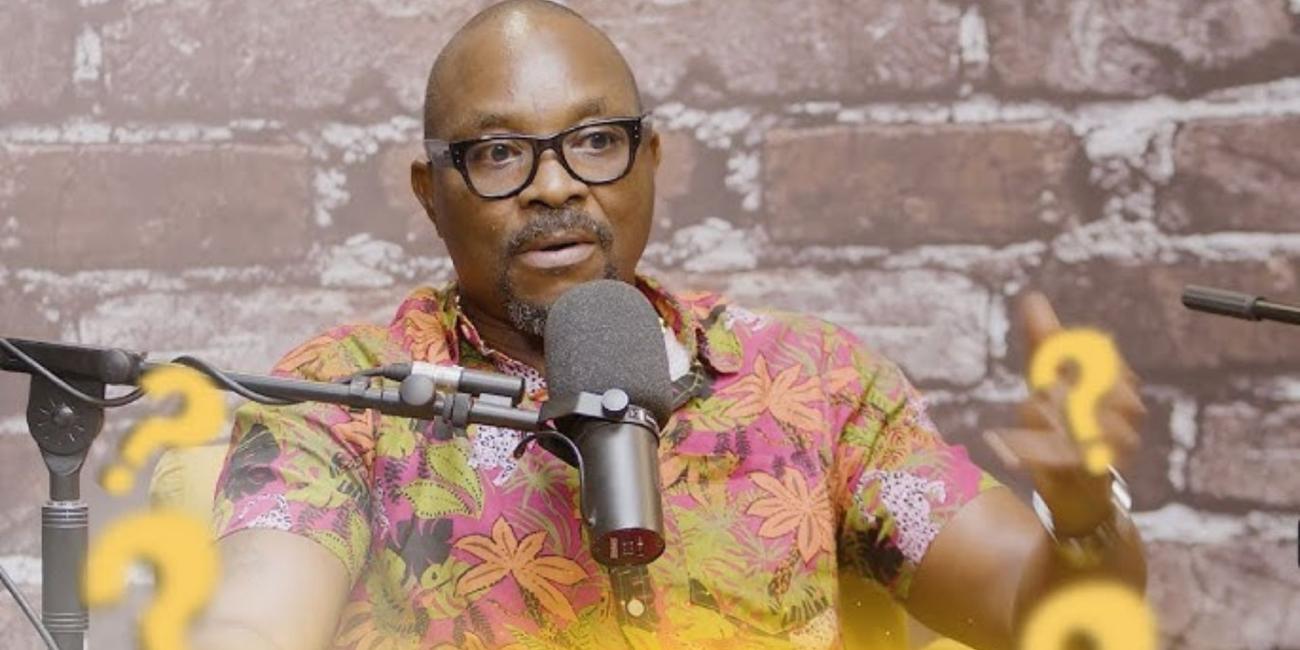
The atmosphere at the National Assembly complex took a sharp, defiant turn on Monday as a wave of protesters, led by high-profile figures including Peter Obi and businessman Isaac Fayose, converged to demand legal certainty for the 2027 elections. The demonstration serves as a direct response to recent legislative friction over the Electoral Amendment Bill, specifically targeting the controversial Section 60 regarding how votes travel from polling units to the final tally.
Isaac Fayose, known for his candid and often biting commentary, did not mince words when addressing the media at the protest site. He utilized a vivid, domestic metaphor to describe the traditional Nigerian collation process, likening it to the transformative nature of local staples. He compared a collation room to a place where one “soaks garri with water at night,” only to return in the morning to find it has “swollen up and turned to eba.”
This colorful analogy highlights a deep-seated public cynicism toward manual collation, which many voters believe is the stage where numbers are inflated or altered behind closed doors. Fayose argued that the only way to restore trust in the democratic process is to mandate the “real-time electronic transmission” of results. He insisted that the current legislative ambiguity, which allows for transmission after manual counting rather than simultaneously, leaves the window for “mischief” wide open.
The protest comes at a critical juncture for the Senate, which has faced intense backlash after its session on February 4. While lawmakers claim they have not “scrapped” electronic transmission, they notably rejected a proposal to make real-time uploads to the INEC Result Viewing (iReV) portal compulsory. This distinction has triggered a firestorm among civil society groups and opposition leaders who argue that delayed transmission is no transmission at all.
Fayose also raised the issue of fiscal responsibility, pointing out the massive national investment in electoral technology over the last few years. He questioned the logic of spending close to a trillion naira on a system only to “throw it into the gutter” by failing to give it the force of law. For the protesters, the refusal to mandate real-time uploads is seen as a deliberate attempt to bypass the very transparency the technology was purchased to provide.
In an effort to manage the escalating tension, the Senate has scheduled an emergency plenary session for Tuesday, February 10. This rare move is widely seen as an attempt to revisit the contentious clauses of the Electoral Bill 2026 and potentially appease a restless public. Fayose warned that the outcome of this emergency sitting would determine the scale of future demonstrations, characterizing Monday’s gathering as a mere “warning shot.”
The presence of Peter Obi at the complex further galvanized the crowd, signaling that the demand for “real-time” transparency is a unified front for the opposition. Protesters are specifically pushing for the inclusion of the phrase “real-time” in the legislation to prevent any legal loopholes that could be exploited during the 2027 general elections. They argue that without this explicit language, the progress made in the 2022 Act remains vulnerable to administrative interpretation.
As the nation looks toward Tuesday’s emergency session, the focus remains on whether the Red Chamber will yield to public pressure or maintain its stance on discretionary transmission. For Fayose and the hundreds gathered at the gates of the National Assembly, the message is clear: Nigerians are no longer willing to watch their “garri” turn into “eba” in the dark of night. The demand is for a digital sunlight that ensures every vote counted at the polling unit remains unchanged at the national level.