
NEWS
US Congressman Denounces “Christian Genocide” Following Kaduna Bloodshed
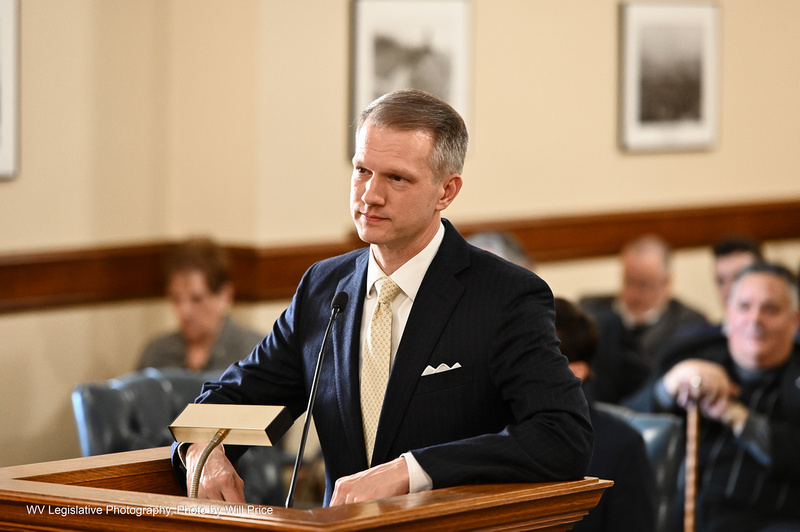
The international community has turned a sharp, critical eye toward the escalating insecurity in Nigeria’s northern corridor, with a United States federal lawmaker issuing a scathing condemnation of the persistent violence. Congressman Riley Moore has formally called for an immediate end to what he explicitly categorized as a “genocide of Christians” in the country. This high-profile intervention follows a series of gruesome attacks in Kaduna State that have once again brought the intersection of terrorism and religious persecution to the forefront of global diplomatic discourse.
The lawmaker’s outcry was triggered by a particularly harrowing assault on the Holy Trinity Parish in Kaduna last week. During the raid, suspected bandits, whom the Congressman identified as radical militants, invaded the church community with devastating precision. The attackers claimed the lives of three parishioners before abducting a prominent Catholic cleric, Reverend Father Nathaniel Asuwaye, along with ten other members of the congregation. The incident has added to a growing list of attacks on religious figures, further destabilizing a region already reeling from years of kinetic conflict.
In a statement released via his official channels, Moore did not mince words regarding the nature of the violence. He described the recent period as some of the most “horrifically bloody days” in the modern history of Nigerian Christianity. By using the term “genocide,” the Congressman has elevated the rhetoric surrounding Nigeria’s security challenges, moving past the common descriptors of “banditry” or “communal clashes” to suggest a systemic and targeted campaign of extermination against a specific religious group.
The Congressman specifically highlighted the plight of Father Asuwaye, calling for global prayers for the safe return of the priest and his fellow captives. The abduction of religious leaders has become a lucrative and strategically symbolic tool for terror groups in the Northwest, often used to extort massive ransoms while simultaneously demoralizing local communities. Moore’s statement serves as a reminder that these local tragedies are being monitored closely by policymakers in Washington D.C., potentially influencing future bilateral relations and security assistance.
Moore’s critique was directed squarely at the federal government in Abuja. He asserted that the responsibility for halting this cycle of violence falls “squarely on the Nigerian government’s shoulders.” The lawmaker argued that the primary duty of any sovereign state is to defend all its citizens regardless of their faith, suggesting that the current administration’s efforts have been insufficient in curbing the “violent persecution” currently sweeping through rural communities in the Middle Belt and the North.
The timing of this statement is significant, as Nigeria continues to seek international support and investment to bolster its struggling economy and security apparatus. Allegations of religious genocide from a member of the U.S. Congress carry the weight of potential legislative action or the conditioning of military aid. Such rhetoric often prompts intense debate within the U.S. State Department regarding Nigeria’s designation on religious freedom watchlists, a status that the Nigerian government has fought hard to avoid in recent years.
Within the affected communities in Kaduna, the Congressman’s words have resonated with a population that often feels abandoned by the central government. The attack on the Holy Trinity Parish is seen by many locals as part of a broader pattern of displacement and terror intended to alter the demographic and religious landscape of the region. The killing of the three parishioners during the raid underscored the total lack of sanctity afforded to places of worship by the armed gangs roaming the state’s hinterlands.
Security analysts suggest that the persistent targeting of Christians in the North creates a dangerous narrative that could lead to retaliatory violence, further complicating the task of the Nigerian Armed Forces. By framing the conflict in religious and genocidal terms, international observers like Moore are pushing for a shift in the Nigerian government’s strategy—from a purely reactive military stance to a more proactive protective framework that secures vulnerable religious minority enclaves.
The Nigerian government has historically dismissed claims of genocide, often attributing the violence to a complex mix of climate change, resource competition between herders and farmers, and general criminality. However, Moore’s insistence on the term “radical Islamic jihadists” to describe the perpetrators of the Kaduna attack challenges the official narrative. It suggests that, from the perspective of some international stakeholders, the ideological motivations of these groups cannot be ignored or buried under the umbrella of “banditry.”
As Father Asuwaye remains in the hands of his captors, the pressure on security agencies to deliver a successful rescue operation has intensified. The internationalization of this specific abduction means that the eyes of the world are now on Kaduna. The Congressman’s call to “keep praying for our brothers and sisters in Christ” acts as a rallying cry for religious advocacy groups globally, which could lead to increased pressure on the U.S. executive branch to take a harder line with the Nigerian presidency.
The discourse surrounding these “horrifically bloody days” serves as a grim barometer for the state of the nation. For the families of the victims in Kaduna, the political and international debate is secondary to the immediate trauma of loss and the uncertainty of the fate of those still in captivity. The Congressman’s intervention ensures that their suffering is not merely a local headline, but a matter of international concern that demands a definitive response from those in power.