
NEWS
Bugaje: Senate’s Resistance to E-Transmission Smells of Rigging
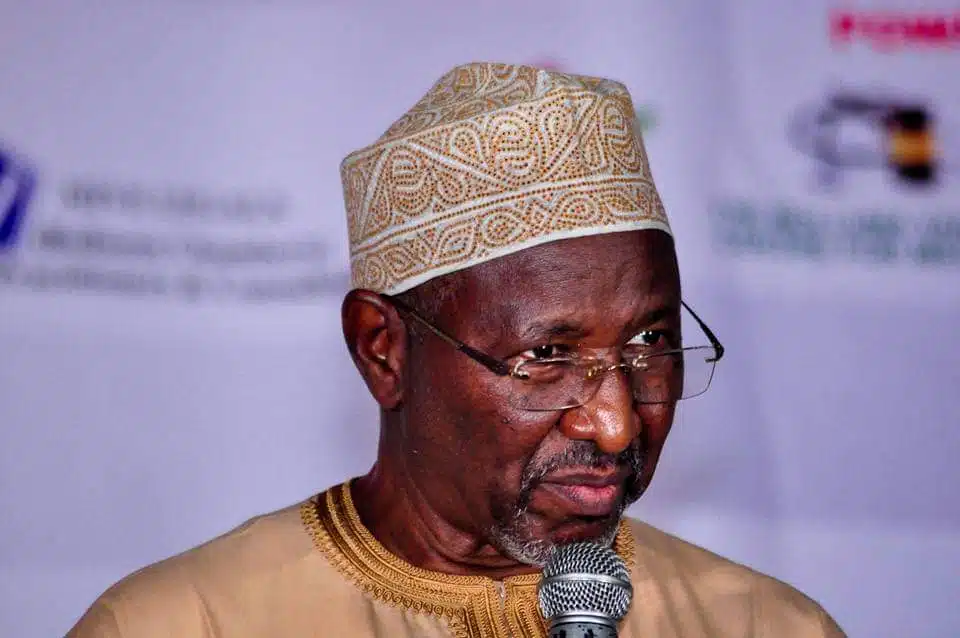
Prominent Islamic scholar and political activist, Dr. Usman Bugaje, has delivered a scathing indictment of the Nigerian Senate, accusing lawmakers of actively plotting to manipulate future elections by opposing the mandatory electronic transmission of results. In a robust defense of electoral transparency, Bugaje argued that excuses regarding technological limitations are merely a smokescreen designed to facilitate rigging. His remarks, made during a televised appearance on Arise Television’s Morning Show, underscore a growing distrust in the legislative branch’s commitment to democratic integrity.
Bugaje dismissed arguments claiming that Nigeria lacks the infrastructure to transmit election results in real-time, calling such assertions “alibis” for impending malfeasance. He pointed to the ubiquity of Point of Sale machines in remote villages and the widespread use of messaging platforms like WhatsApp as undeniable proof that the technology exists and is accessible. According to the activist, the resistance to adopting this technology in the 21st century is indefensible and points toward a deliberate attempt to weaken the electoral process.
The activist strongly asserted that lawmakers are exceeding their mandate by attempting to dictate the operational capabilities of the Independent National Electoral Commission. Bugaje noted that INEC itself had already affirmed its readiness to implement electronic transmission during public hearings. He questioned the Senate’s obsession with speculating about technical failures when electoral experts have repeatedly confirmed that network coverage across the country is more than sufficient for the task.
Bugaje offered a practical solution to concerns about connectivity, explaining that even in areas with temporary network downtime, results can be uploaded immediately upon reaching a covered zone. He emphasized that the process is not impossible and that resisting it is a choice made by those who benefit from the status quo. Furthermore, he highlighted that several developing nations with far less internet penetration than Nigeria have successfully implemented similar electronic systems.
The activist’s allegations grew more severe as he directly linked the legislative maneuvers to a desire to rig elections. He accused the Senate of aiming to “attenuate the electoral system” to give unfair advantages to certain political actors. For Bugaje, the reluctance to adopt modern technology is not about technical incapacity but rather about maintaining control over a flawed process that allows for manipulation.
Drawing a parallel to past electoral controversies, Bugaje referenced the suspicious technological failures during previous elections. He pointedly questioned why alleged “glitches” occurred specifically during the transmission of presidential results while other outcomes remained unaffected. In a serious democracy, he argued, such incidents would have prompted rigorous investigations and the prosecution of those responsible, yet those involved continue to operate with impunity.
Bugaje insisted that the Senate has sufficient time to build the necessary capacity for INEC, suggesting this could be achieved in as little as one month. His push for transparency is part of a broader call for Nigerians to hold their leaders accountable and reject efforts to compromise the electoral umpire’s independence. The debate over e-transmission remains a flashpoint in Nigerian politics, reflecting deeper fears about the legitimacy of democratic outcomes.
As the political landscape heats up ahead of future electoral cycles, the accusations leveled by Bugaje add immense pressure on the Senate to justify its stance. The battle for the soul of Nigeria’s democracy is increasingly being fought over the mechanisms of election result management, with activists like Bugaje demanding a system that is transparent, modern, and resistant to manipulation.

