
Politics
El-Rufai Promises Tinubu Ouster
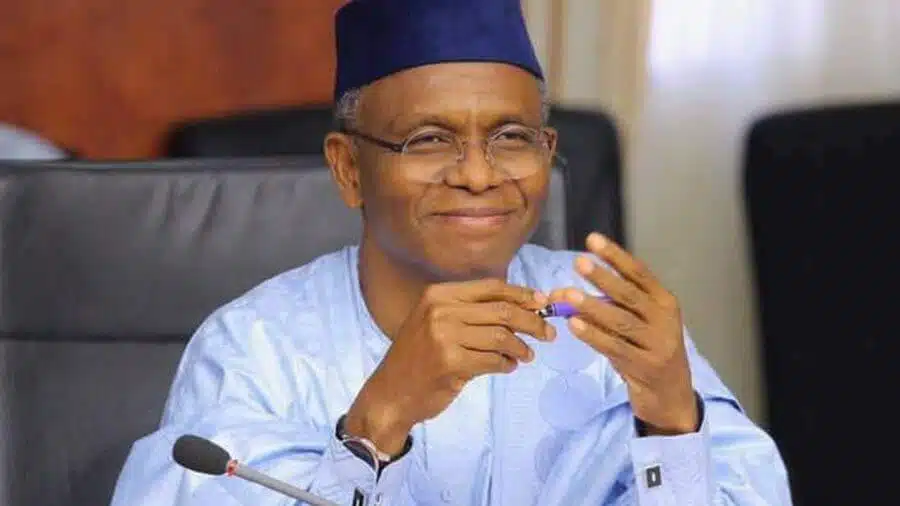
Nasir El-Rufai, the former governor of Kaduna State and a pivotal figure in the African Democratic Congress (ADC), has declared that his party is meticulously preparing to dislodge President Bola Tinubu in the 2027 general elections. Despite the ADC currently lacking the explosive visibility that characterized previous political realignments in Nigeria, El-Rufai insists the party is operating decisively behind the scenes to build a formidable challenge.
Speaking frankly about the current quietude of the opposition, El-Rufai admitted that even within party ranks, there are concerns about the lack of vocal presence. He clarified that the ADC’s structure, which functions more as a coalition of individuals rather than a conglomerate of parties, takes time to solidify. Nevertheless, he maintained that grassroots mobilization is progressing rapidly, focusing on engagement far from media glare.
El-Rufai went so far as to predict that the current administration would be forced to return to its roots in Lagos or on Lagos Island by 2027. He framed this outcome not just as a political aspiration, but as an inevitable result of what he believes is the will of the people, expressing confidence in the polls the party has conducted.
Addressing the disparity in resources, the former governor noted that the current electoral framework favors incumbents with immense financial backing. The ADC, lacking the deep pockets of the ruling party, is adopting a deliberate, strategic approach to campaigning that emphasizes ethical governance over flashy optics.
The goal, according to El-Rufai, is to present a genuine alternative based on a manifesto that directly addresses the needs of everyday Nigerians. He promised that this cohesive strategy and the visible momentum of the opposition would become apparent to the public within the coming weeks.
This declaration places a spotlight on the evolving political landscape as stakeholders begin positioning themselves for the next electoral cycle. The ADC’s focus on quiet mobilization stands in stark contrast to the traditional, noisy Nigerian campaign style, signaling a potential shift in tactical approaches to securing electoral victory.


