
Politics
Obasanjo: 1979 Policy Reversal Fueled Nigeria’s Rice Dependence
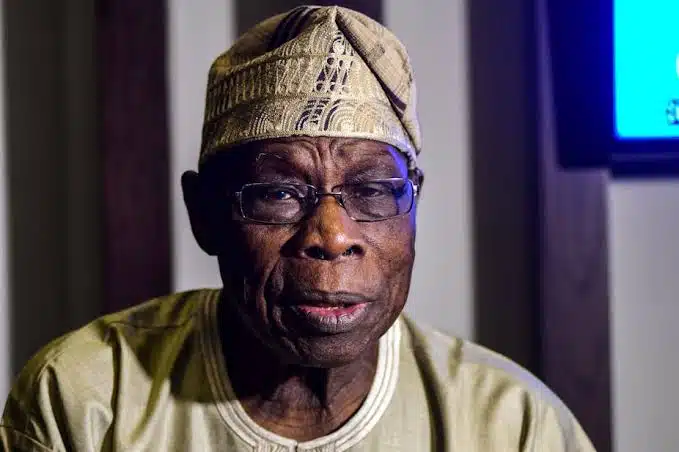
Former President Olusegun Obasanjo has traced the root of Nigeria’s chronic dependence on rice imports to a specific policy reversal initiated by the civilian administration in 1979. Speaking in Abuja at the International Memorial Lecture marking the 50th anniversary of General Murtala Muhammed’s assassination, Obasanjo argued that the lifting of his military government’s ban on rice importation set the nation back by decades, turning a potential agricultural success story into a persistent economic challenge.
Obasanjo revealed that his administration had been on the verge of achieving full self-sufficiency in rice production before handing over power to the democratically elected government of Alhaji Shehu Shagari in October 1979. He cited official field reports from July of that year, which indicated that domestic production was sufficient to meet national demand. Consequently, an outright ban on importation was enacted to protect local farmers and encourage further investment in the sector.
According to the former head of state, one of the first actions taken by the Shagari administration upon assuming office was to rescind this ban. Obasanjo alleged that this move was largely motivated by political patronage, designed to allow the new government to allocate lucrative rice import licenses to their supporters and political associates. He noted that the influx of cheaper, imported rice immediately undermined local farmers, forcing many to abandon cultivation and stifling the progress achieved under the “Operation Feed the Nation” initiative.
To illustrate the depths of corruption that followed the liberalization of rice imports, Obasanjo shared a notorious anecdote involving a politically connected importer who sought to extract kickbacks from American suppliers. The importer reportedly commanded suppliers to inflate contract costs by $5 million to secure the deal. Later, he demanded a $2.5 million share of the inflated amount despite taking no risk, leading to a dispute that was eventually reported to Nigerian diplomatic officials at the United Nations.
Obasanjo concluded that Nigeria has not fully recovered from that 1979 policy decision, which dismantled the foundation for local production. He expressed deep frustration that decades later, the country still relies heavily on foreign rice to feed its population. The former president used this example to call for greater policy consistency and a focus on industrial reform and domestic production as the only pathway for Nigeria and the African continent to achieve true economic maturity.


