
NEWS
Borno Food Supply Under Siege: Insurgents Torch Convoy
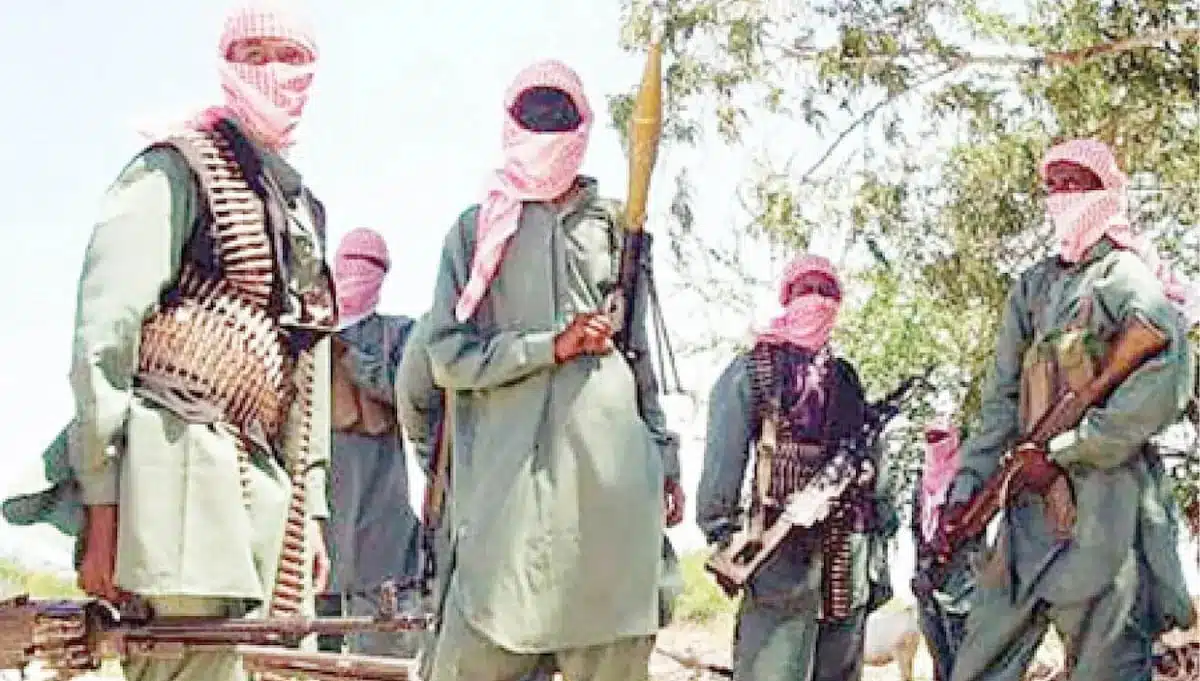
The vital artery connecting rural Borno to its capital has become a corridor of terror as suspected Boko Haram and Islamic State West African Province (ISWAP) fighters wage a scorched-earth campaign against food logistics. In a brazen daylight operation over the weekend, insurgents intercepted a convoy of heavy-duty vehicles along the Monguno–Guzamala axis. The attack, which specifically targeted the movement of essential grains, marks a dangerous escalation in the strategy to choke the state’s food supply.
The ambush unfolded on Saturday between the quiet settlements of Burmari and Garin Kashim in the Guzamala Local Government Area. Two trailers and three dump trucks, all heavily laden with beans destined for the markets of Maiduguri, were forced to a halt by armed men. Eyewitness accounts describe a methodical attack designed to inflict maximum logistical damage while sending a chilling message to the commercial transport community.
Before the flames were ignited, the insurgents reportedly went from vehicle to vehicle, deflating tires to ensure the trucks could not be moved or salvaged quickly. Once the convoy was immobilized, the attackers turned their focus to the trailer heads, setting the engine compartments and driver cabins ablaze. This specific targeting suggests an intent to destroy the mechanical heart of the transport industry, even if the cargo itself remained partially intact.
One driver, still visibly shaken by the encounter, recounted how he was forced to abandon his livelihood and sprint into the dense nearby bushes as the first shots rang out. He noted with grim familiarity that these assailants appeared to be the same coordinated unit responsible for a similar raid just five days prior. In that previous incident, trucks carrying maize and construction materials were targeted, suggesting a persistent and unhindered presence of insurgents in the area.
Local community members, who live under the constant shadow of such violence, rushed to the scene once the insurgents retreated into the wilderness. Risking their own safety, they worked alongside the surviving crew members to douse the flames before the fire could consume the trailer bodies and the precious food supplies within. Their quick intervention allowed the drivers to escape with their lives, though the mechanical damage to the fleet remains a staggering financial blow.
The recurring nature of these ambushes has ignited a firestorm of criticism regarding the security vacuum in northern Borno. Drivers who frequently ply these dangerous routes have raised alarms over the glaring absence of military patrols. While other volatile corridors in the state benefit from strategic soldier deployments and convoy escorts, the Monguno–Guzamala route is being described by transporters as a “no-man’s-land” where they are left entirely to their own devices.
This lack of protection is having an immediate and devastating ripple effect on the local economy. Several prominent truck owners, unwilling to gamble their assets against the certainty of insurgent fire, have reportedly begun withdrawing their vehicles from this specific route. This exodus of transport capacity threatens to drive up the cost of staple foods in Maiduguri, as the supply of beans and maize from the fertile northern belts begins to dry up.
The strategy of the insurgents appears to have shifted toward economic sabotage. By targeting food trucks, they are not only sustaining themselves through potential looting but are also projecting power over the civilian population through the threat of starvation. The psychological impact of seeing pillars of smoke rising from a burning food convoy is a potent tool in their effort to undermine the perceived authority of the state in remote areas.
For the residents of Borno, the sight of burning trailers has become a hauntingly common feature of the landscape. The bravery of the local communities who helped extinguish the fires highlights a desperate resilience, but it also underscores the reality that civilians are often the first and only responders in the face of extremist violence. Without a significant shift in the military’s deployment strategy, the road to Maiduguri remains a gamble that many drivers are no longer willing to take.
The humanitarian implications are severe. As one of the regions most affected by long-term displacement and food insecurity, Borno relies heavily on these transport links to move produce from rural farms to urban centers. Every truck set ablaze is more than just a loss of property; it is a direct hit to the survival of thousands of families who depend on those grains reaching the market.
As the smoke clears from the latest wreckage, the pressure mounts on security forces to reclaim the Guzamala axis. The insurgents have proven they can strike at will, retreating into the bushes only to emerge days later to strike again. Until the “Highway of Fire” is secured by constant patrols, the shadow of Boko Haram and ISWAP will continue to loom over every bag of grain attempting to make the journey south.