
NEWS
Clintons’ Yield to Subpoenas in Epstein Investigation
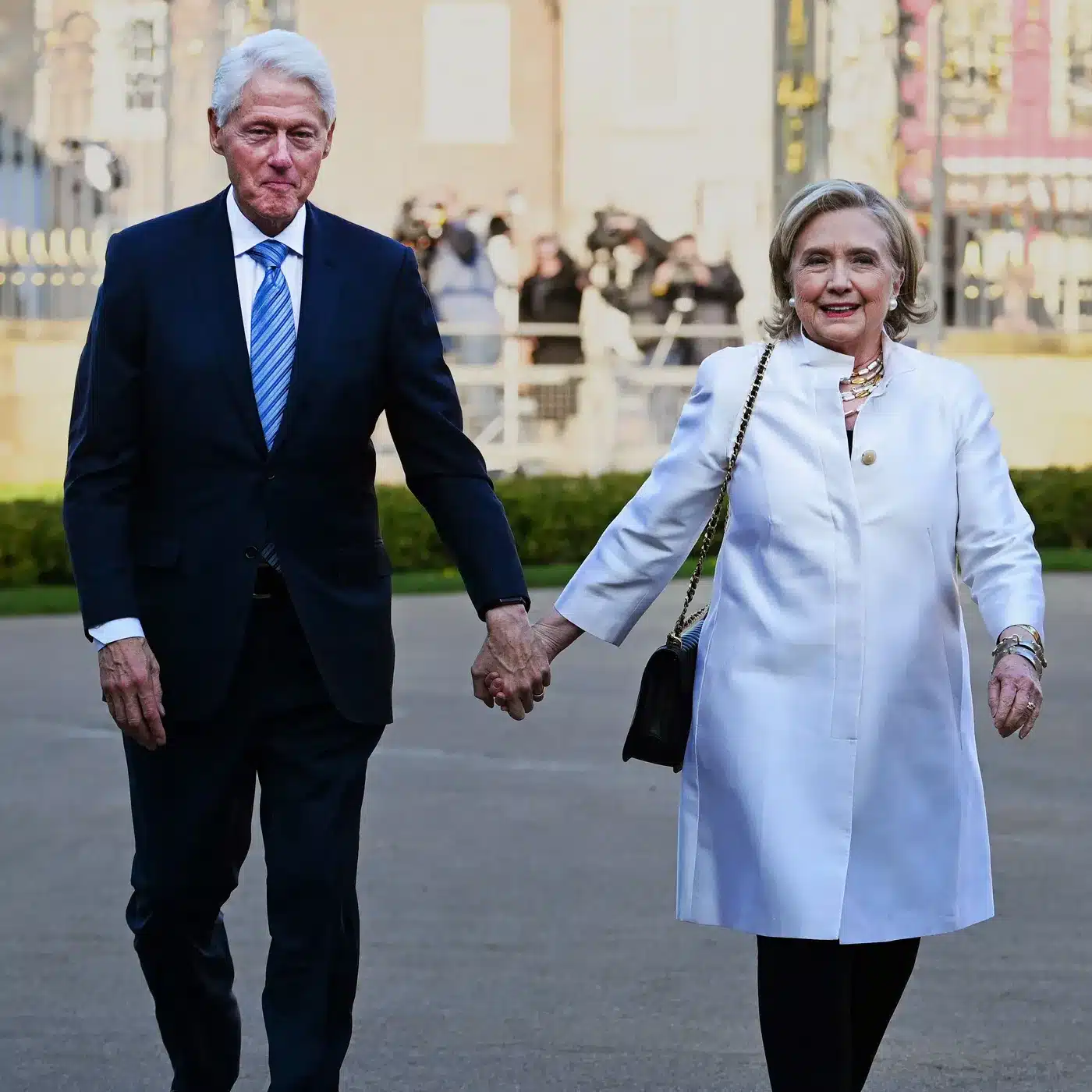
The long-standing stalemate between the House Oversight Committee and one of America’s most prominent political dynasties has finally shattered. Former President Bill Clinton and former Secretary of State Hillary Clinton have reportedly agreed to sit for depositions regarding the Jeffrey Epstein investigation. This move follows months of escalating legal friction and the looming shadow of a historic congressional contempt vote.
Late Monday evening, the atmosphere on Capitol Hill shifted dramatically when legal counsel for the Clintons reached out to committee staffers. The message was a pivot from previous resistance, signaling a willingness to provide testimony provided that both parties can settle on mutually agreeable dates. For House Republicans, particularly Oversight Committee Chairman James Comer, the news was received with cautious optimism rather than outright celebration.
Chairman Comer, who has spearheaded the push for these testimonies, made it clear to reporters that an email promise is not a final contract. He emphasized that the committee is still waiting for formal, written confirmation that outlines a clear commitment to the process. His insistence reflects the high stakes of an investigation that has gripped the American public for years.
The timing of this surrender is hardly coincidental. The Clintons’ change of heart arrived just as the House Rules Committee was moving to fast-track a contempt resolution. Had that resolution reached the House floor and passed, it would have marked the first time in United States history that a former president faced criminal contempt charges. Such a move could have triggered hefty fines or even referred the matter to the Department of Justice for prosecution.
Earlier attempts at compromise were swiftly rejected by the committee. The Clintons’ legal team had initially proposed a counter-offer: a four-hour recorded interview for Bill Clinton and a sworn written statement from Hillary Clinton. Comer dismissed this proposal out of hand, asserting that high-profile figures do not get to dictate the terms of lawful subpoenas. He maintained that a live, in-person deposition is the only acceptable path forward.
One of the most striking aspects of this development is the breakdown of traditional partisan walls. While the investigation is led by Republicans, a significant group of Democrats recently crossed the aisle to support the push for transparency. Nine Democrats joined the GOP in advancing contempt charges against Bill Clinton, while three supported proceedings against Hillary. This bipartisan pressure suggests a growing consensus that uncovering the extent of Epstein’s network is a matter of national importance.
The focus of the inquiry remains Bill Clinton’s documented association with Epstein during the late 1990s and early 2000s. While flight logs and various records confirm their past contact, no formal charges of wrongdoing have been leveled against the former president. Epstein’s death in a federal jail cell in 2019 left a void of unanswered questions that Congress is now determined to fill, regardless of the political stature of those involved.
Spokespersons for the Clintons have been vocal in their criticism of the committee’s tactics. Angel Ureña described the proceedings as political theater, accusing Chairman Comer of ignoring relevant facts to create a public spectacle. The Clinton camp has also pointed toward the previous administration, questioning why the committee has not more aggressively pursued Justice Department files from the Trump era regarding Epstein’s initial prosecution.
Despite the rhetoric, the reality of a potential criminal referral seems to have forced a diplomatic solution. The “kid-glove” treatment usually afforded to former heads of state was set aside in favor of a hardline approach. If the depositions proceed as planned, they will represent a rare moment where the inner workings of elite social circles are subjected to the rigorous scrutiny of a congressional record.
For the House Oversight Committee, this is about more than just the Clintons; it is about establishing the authority of congressional subpoenas. For the public, it is about finally understanding the reach of a man who moved through the highest echelons of power while operating a criminal enterprise. The pause in the contempt vote indicates that lawmakers are willing to give the Clintons a chance to fulfill their word, but the threat remains active if negotiations stall.
As the legal teams begin the arduous task of scheduling these sessions, the world watches to see what new details might emerge from under oath. The Epstein saga has always been a story of power, secrecy, and the search for accountability. With the Clintons now agreeing to testify, the investigation enters a new, more transparent chapter that could redefine how the public views the intersection of politics and private influence.