
Politics
El-Rufai Foresees APC Exit in 2027
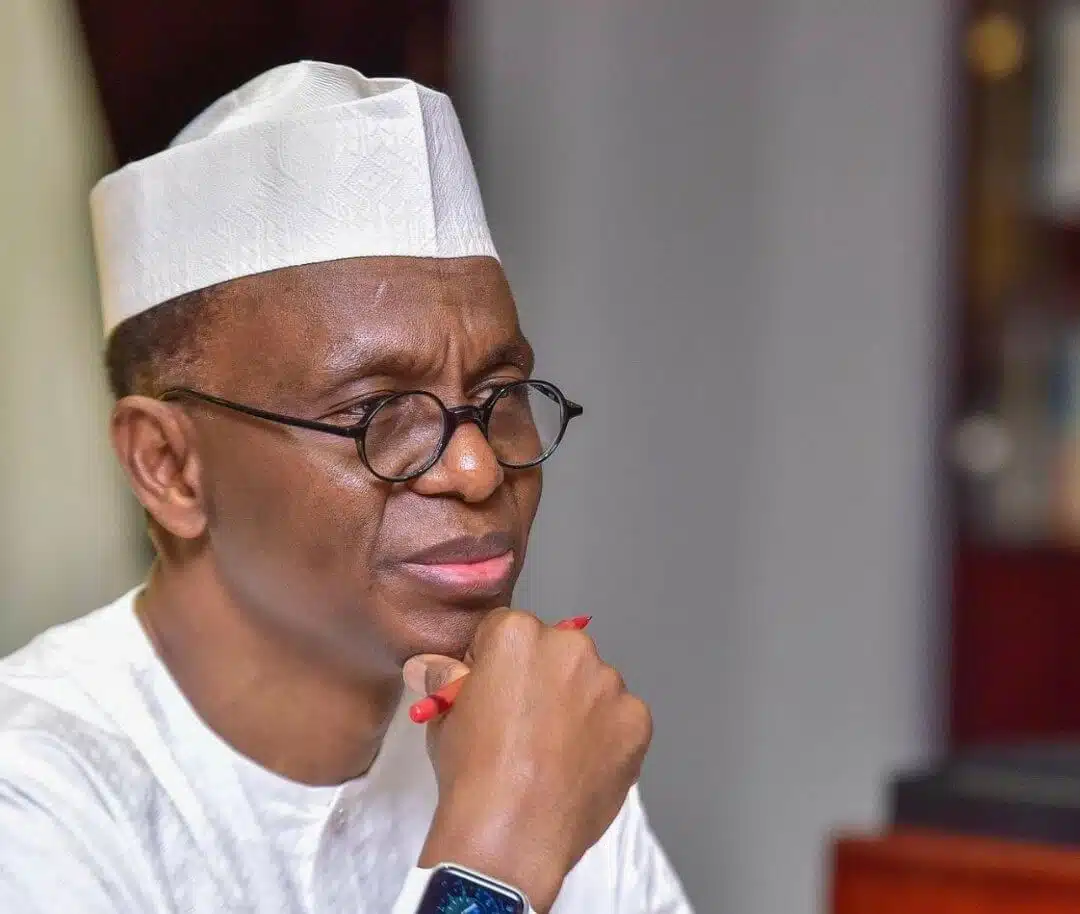
Malam Nasir El-Rufai, the former Governor of Kaduna State, has sent a ripple through the Nigerian political landscape by predicting the potential downfall of the ruling All Progressives Congress (APC) in the 2027 general elections. Speaking virtually from Brussels, Belgium, where he is currently recovering from an undisclosed illness, the former FCT Minister asserted that the APC’s grip on power is far from permanent. His remarks were delivered during the 23rd Daily Trust Dialogue in Abuja, an event themed “Nigeria’s Fourth Republic: What Is Working and What Is Not.”
El-Rufai’s thesis centers on the idea that Nigeria’s greatest democratic achievement is the “contestability” of its political power. Drawing parallels with the nation’s history, he reminded the audience that the People’s Democratic Party (PDP) once held a seemingly unshakable 16-year reign before being ousted in 2015. To El-Rufai, this cycle is a healthy sign of a functioning democracy, distinguishing Nigeria from other African nations where dominant-party systems often stifle competition and lead to stagnation.
The former governor did not mince words regarding the current state of the nation’s political machinery. He described Nigerian political parties as largely “personality-driven and transactional,” lacking the ideological depth required to foster long-term stability. In his view, the mere act of holding elections has not yet matured into a system of genuine accountability or good governance. This disconnect, he warned, has fueled widespread cynicism among a populace that sees little difference between the major players.
Addressing the forum chaired by former Senate President Bukola Saraki, El-Rufai criticized what he termed “selective justice.” He argued that anti-corruption efforts often appear to target the opposition while remaining “invisible” for those aligned with the current seat of power. Such uneven application of the law, he contended, erodes public trust and collapses the deterrence needed to maintain a civil society. He called for a fundamental shift toward institutional governance rather than rule by intimidation.
The timing of El-Rufai’s comments is particularly striking given his foundational role in the APC’s formation. Once a core strategist for the party, his latest intervention suggests a growing rift or, at the very least, a starkly objective assessment of the party’s vulnerabilities. He noted that the survival of the Fourth Republic for 27 years is an endurance feat, but warned that “longevity alone cannot substitute for impact” in the lives of ordinary Nigerians.
Despite the critical tone, El-Rufai expressed pride in the fact that no single party can claim a permanent mandate to rule. By stating that the APC is “likely to be gone” by 2027, he is placing a bet on the volatility of the Nigerian electorate and the inevitable demand for change when governance fails to meet expectations. For El-Rufai, the ability for a ruling party to lose is not a failure of the party alone, but a success for the democratic process itself.
The former governor’s absence from the Abuja venue was notable, as he apologized for being unable to attend in person due to his ongoing recovery. However, his digital presence loomed large, providing one of the most talked-about moments of the dialogue. As the 2027 election cycle begins to appear on the horizon, his words serve as both a warning to his party and a rallying cry for those seeking to challenge the status quo.


