
NEWS
Energy Reckoning: NNPCL Boss Slams Refineries as Financial Black Hole
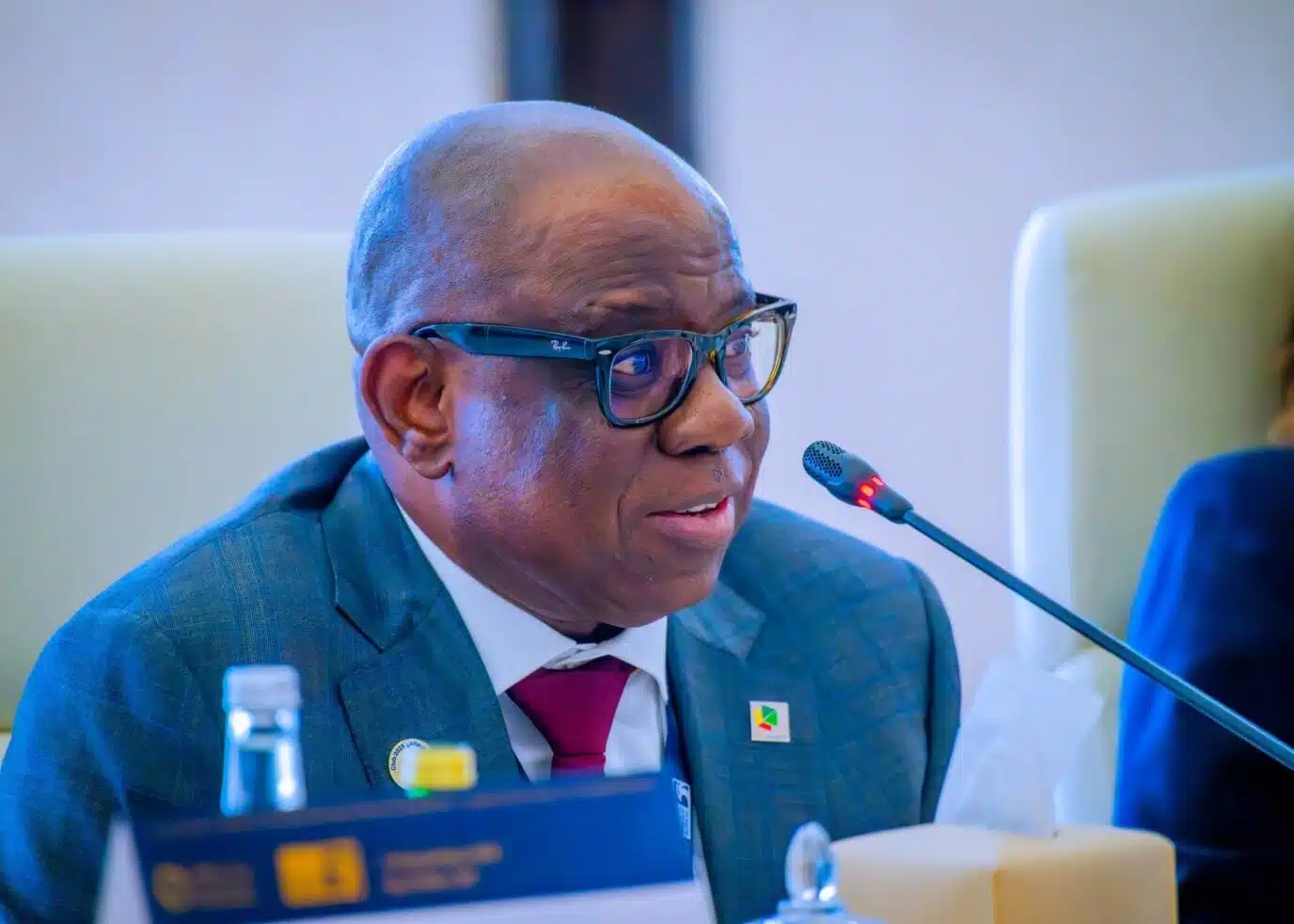
In a moment of startling clarity that has sent shockwaves through the Nigerian energy sector, Bayo Ojulari, the Group Chief Executive Officer of the Nigerian National Petroleum Company Limited (NNPCL), has publicly dismantled the legacy of the nation’s state-owned refineries. Speaking at the Nigeria International Energy Summit 2026 in Abuja, Ojulari characterized the decades-long attempt to keep these facilities operational as a “monumental loss” and a systemic waste of national wealth.
The fireside chat, aptly titled “Securing Nigeria’s Energy Future,” served as the backdrop for what many are calling the most honest appraisal of Nigeria’s refining crisis in recent memory. Ojulari did not mince words, admitting that the decision to halt operations at the state-owned plants was not just a technical necessity, but a moral imperative to stop the financial bleeding of the federation.
For years, Nigerians have watched with growing resentment as billions of dollars were funneled into the rehabilitation and “turnaround maintenance” of the four refineries in Port Harcourt, Warri, and Kaduna. Despite these astronomical investments, the taps remained largely dry, and the promised domestic fuel sufficiency remained a mirage. Ojulari acknowledged this public anger, stating that the pressure on his team was extreme because the expectations of a weary nation had never been met.
The NNPCL chief, whose professional roots lie deep in the upstream sector, admitted that stepping into the world of refining required a brutal, vertical learning curve. He noted that accountability demanded he move beyond political optics to look at the cold, hard math of the balance sheet. What he found, he told the audience, was an economic disaster masquerading as an industrial asset.
According to Ojulari, the operational review conducted by his management team revealed that the NNPC was feeding precious crude oil into these plants only for them to operate at a dismal 50 to 55 percent utilization rate. In any commercial setting, such numbers would be grounds for immediate liquidation. He described a scenario where the company was essentially “leaking away value” by paying contractors and operational costs for mid-grade products that were worth less than the raw crude being fed into the system.
One of the most damning aspects of his disclosure was the admission that there was no “line of sight” to recovery. While many investments experience initial losses, Ojulari pointed out that the state-owned refineries lacked any credible path to becoming profitable or even sustainable. The absence of a clear recovery plan made the continued operation of the plants economically unjustifiable and a betrayal of the Petroleum Industry Act’s mandate for commercial discipline.
The decision to shut down the refineries for a “quick check” was one of the first major moves of his administration. Ojulari framed this as an act of professional integrity. He explained that after 35 years of being trained to focus on profitability and commerciality, he could not, in good conscience, sleep while the nation’s resources were being incinerated in inefficient furnaces.
The political pressure to keep the refineries running was immense. For decades, the mere act of smoke rising from a refinery chimney was used by successive administrations as a symbol of progress, regardless of the actual output or the cost to the taxpayer. Ojulari’s decision to ignore this political theater in favor of “commerciality” marks a significant departure from the era when the NNPC functioned more as a government department than a business.
The NNPCL boss specifically cited the Port Harcourt Refinery as a case study in inefficiency. He revealed that the specific grade of crude being processed there was yielding mid-grade products that did not aggregate to a value higher than the input. In simpler terms, the refining process was actually reducing the value of Nigeria’s oil rather than adding to it—a classic example of “anti-value” production.
This blunt assessment underscores why Africa’s largest oil producer has remained pathetically dependent on imported petroleum products for its daily needs. While private initiatives like the Dangote Refinery have begun to change the landscape, the state-owned assets have remained the “sick men” of the Nigerian economy, consuming foreign exchange and subsidies while providing zero return on investment.
Ojulari’s remarks suggest that the NNPC is finally moving toward a reality where assets must justify their existence through performance rather than through sentimental or political connections. By admitting that the state was “just wasting money,” he has effectively closed the door on the era of endless, opaque turnaround maintenance contracts that yielded no fuel.
The fallout from these comments is expected to be significant. Critics of the previous administration’s spending on refinery repairs are likely to use Ojulari’s words as a weapon, while proponents of state-led industrialization may see this as a final surrender to the privatization of the energy sector. However, for the average Nigerian, the message is clear: the old ways of managing the nation’s refineries were a failure that the current leadership is no longer willing to fund.
As the summit continues, the focus has shifted to what comes next. If the state-owned refineries are truly unsustainable in their current form, the path forward likely involves a radical shift toward private-sector partnership or complete divestment. Ojulari’s candidness has stripped away the last layer of bureaucratic pretense, leaving Nigeria to face a future where energy security must be built on the foundation of profit, not political promises.


