
Politics
Fayose Declares End of Democratic Hope as Obi’s Ambition Fades
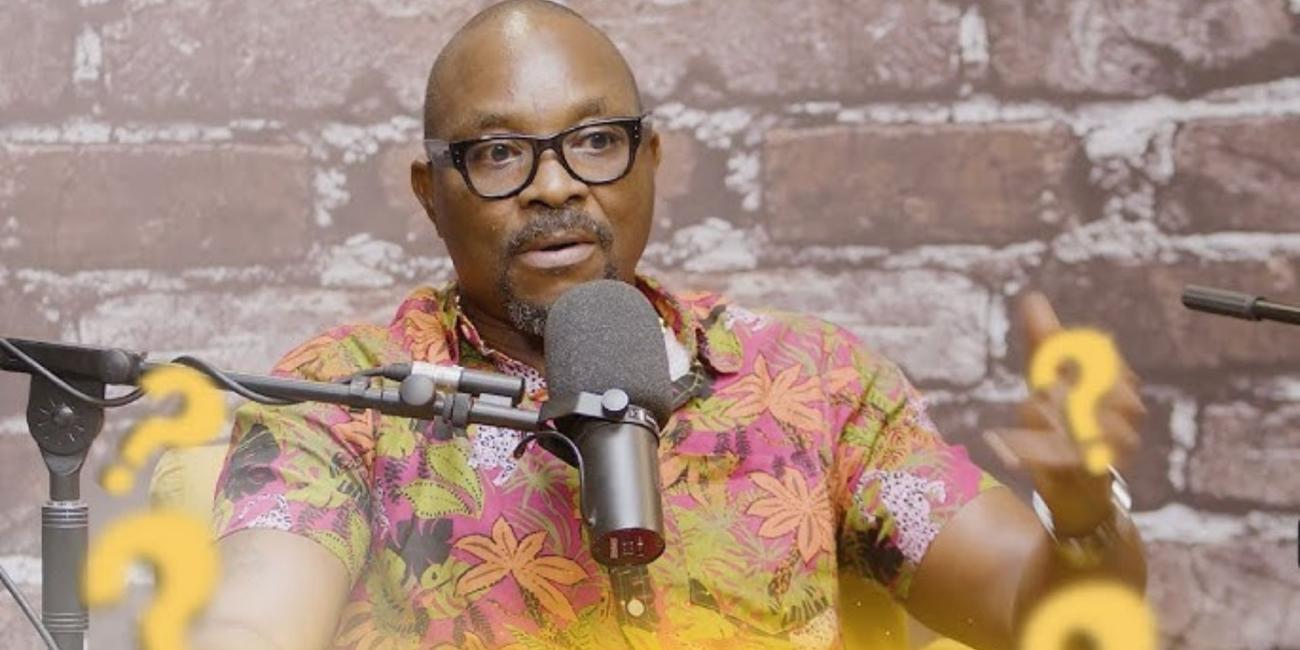
The dream of a Peter Obi presidency is not just a political uphill battle—it is a structural impossibility. This is the stinging verdict delivered by Isaac Fayose, brother to the former Ekiti State Governor Ayodele Fayose, whose recent public outburst has sent ripples through the Nigerian political landscape. In a candid and deeply pessimistic assessment of the country’s trajectory, Fayose argued that the era of genuine electoral competition has effectively ended, replaced by a system of selection rather than election.
For the millions of “Obidients” who rallied behind the former Anambra State Governor during the 2023 cycle, Fayose’s words serve as a bucket of cold water. He asserted that unless a candidate is handpicked by the powers that be, the path to the Villa is permanently barricaded. This perspective shifts the conversation from Peter Obi’s personal popularity to the perceived decay of the democratic machinery itself, suggesting that the “third force” movement is hitting a wall made of reinforced political concrete.
Fayose’s despair is rooted in what he describes as the systematic dismantling of Nigeria’s electoral integrity. He pointed specifically to the Senate’s recent rejection of crucial electoral reforms as the final nail in the coffin for democratic progress. By discarding the technological and procedural initiatives started during the administration of Goodluck Jonathan—most notably the Bimodal Voter Accreditation System (BVAS)—Fayose believes the legislative arm has stripped the people of their only weapon: a transparent vote.
The outspoken social critic described this moment as a personal and national tragedy, going as far as to label it the “saddest day” of his life. His rhetoric suggests a generational failure, a lament that those currently in their prime have been unable to safeguard the country’s future from institutional capture. In his view, the opposition has been rendered powerless, leaving the ruling class to operate without the checks and balances necessary for a healthy republic.
The death of the African Democratic Congress (ADC) as a viable alternative and the perceived stagnation of the Labour Party were also highlighted in his critique. Fayose’s assessment paints a picture of a political vacuum where dissent is loud but ultimately ineffective. He warned that Nigerians are currently living through a period where the opposition exists only in name, unable to challenge the status quo or provide a credible path toward reform.
Beyond the ballot box, Fayose’s frustrations extended to the total collapse of essential public services. He cited the deteriorating state of healthcare, the inefficiencies within the police force, and the systemic issues within the customs service as evidence of a nation in freefall. To him, these are not isolated administrative failures but the direct result of a political class that has prioritized self-preservation over the welfare of the citizenry.
The most jarring aspect of Fayose’s statement was his call for Nigerians to abandon the struggle for political change. He described the act of fighting for a better Nigeria as “stressing oneself,” suggesting that the country is already “gone.” This defeatist stance is a radical departure from the usual political rhetoric of hope and resilience, reflecting a deep-seated cynicism that is becoming increasingly common among the Nigerian elite and the disillusioned youth.
Fayose’s commentary serves as a stark reminder of the widening gap between the aspirations of the electorate and the realities of the political system. By claiming that Peter Obi can never be president unless he is “selected,” he is questioning the very foundation of Nigerian democracy. It is a challenge to the idea that merit, vision, or popular support can triumph over the established mechanisms of power.
As the nation looks toward the next electoral cycle, the questions raised by Fayose will likely haunt the campaign trail. Can a populist movement truly break through if the rules of the game are rigged against it? Or is the “Obi-dient” movement a temporary phenomenon in a country where the outcome is decided long before the first ballot is cast? Fayose seems to have made up his mind, urging his compatriots to accept a grim reality where the vote no longer carries the weight it once did.
The fallout from these statements highlights a growing crisis of confidence in the Nigerian state. If the people believe that the presidency is a gift to be bestowed rather than a prize to be won, the social contract is essentially void. While Peter Obi continues to engage with the public and advocate for a “New Nigeria,” voices like Fayose’s act as a dissonant chord, reminding the populace that the road to change is blocked by more than just ideological differences—it is blocked by the system itself.


