
NEWS
Federal Government to Tap Military Veterans for Border Security
The Federal Government has launched a strategic offensive against insecurity by tapping into the reservoir of experience held by the nation’s military veterans. This new initiative aims to reclaim and secure Nigeria’s vast ungoverned spaces, which have long served as sanctuaries for insurgents, bandits, and other criminal elements. By deploying retired personnel, the government hopes to bridge the gap between kinetic military operations and long-term community stability.
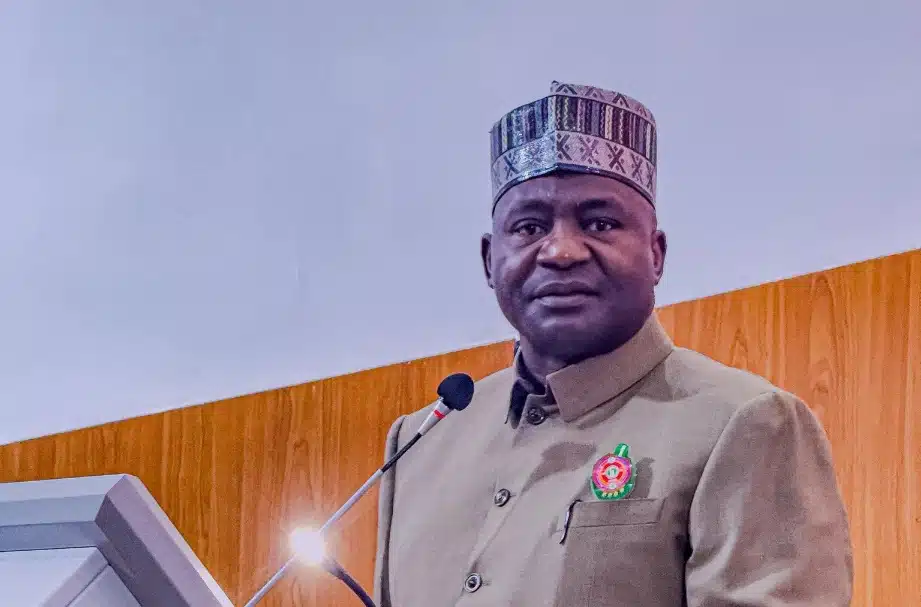
The blueprint for this security shift was unveiled following the inauguration of an 18-member high-powered committee by the Minister of Defence, General Christopher Musa (retd.). Represented by the Permanent Secretary, Richard Pheelangwa, at the Ministry’s headquarters in Abuja, the Minister signaled a departure from traditional combat-only strategies. The committee’s primary objective is to turn these volatile regions into economically viable zones through a structured security presence.
The core of this plan involves the repositioning of the Nigerian Legion Corps of Commissionaires and Veterans. For too long, retired soldiers have been viewed as a demographic in need of welfare alone. This move reframes them as active assets capable of providing a second line of defense in areas where the state’s presence is currently thin. These veterans will bring years of tactical experience and local intelligence to the frontline of community policing.
According to a statement from the Ministry of Defence, the strategy acknowledges that offensive military action has its limits. While the active-duty military can clear territories, holding and developing those spaces requires a more nuanced approach. Veterans, integrated into local security and development efforts, are expected to foster trust between the government and the communities that have felt abandoned by the state.
The committee’s mandate is divided into three critical pillars. First, it seeks to align the veteran community with national economic goals, ensuring that their skills are utilized for the country’s growth. Second, it focuses on the physical deployment of these veterans into ungoverned territories to bring them under effective oversight. Finally, it aims to overhaul the Nigerian Legion to ensure it is operationally effective for modern security challenges.
General Musa emphasized that this is not just a security move but a social contract. It ensures that those who served the country with honor are given the opportunity to lead productive lives post-retirement. By giving veterans a renewed sense of purpose, the government is tackling the issue of veteran welfare while simultaneously addressing the national security deficit.
The inclusion of veterans in intelligence gathering is seen as a game-changer. Retired personnel living within or near these conflict-affected areas are often better positioned to detect anomalies and identify threats before they escalate. This “local ownership” of security is intended to make it much harder for criminal syndicates to operate within the shadows of the nation’s forests and borderlands.
The 18-member committee is composed of experts from the most sensitive arms of the Nigerian security apparatus. This includes representatives from the Ministry’s Joint Services Department, the Defence Intelligence Agency, and all branches of the Armed Forces—the Army, Navy, and Air Force. The collaborative nature of the group suggests that the recommendations produced will be holistic and actionable across different terrains.
During the inauguration, the Minister urged the committee members to think outside the box. The goal is to create a sustainable model where security leads directly to economic viability. If a space is secured by veterans, it can eventually host agricultural projects, mining operations, or trade routes that were previously deemed too dangerous for civilian activity.
This policy shift comes at a time when Nigeria is grappling with multifaceted security threats that have stifled economic growth in the hinterlands. By turning “ungoverned spaces” into “monitored spaces,” the government is betting on the idea that development follows security. The veterans are the chosen vanguard for this transition, acting as the bridge between the battlefield and the marketplace.
As the committee begins its work, the focus will be on the logistics of deployment and the legal framework required to empower the Nigerian Legion. The success of this initiative could provide a template for other nations in the region struggling with similar issues of porous borders and internal displacement.


