
NEWS
Former Super Eagles head coach Festus Onigbinde dies at 88
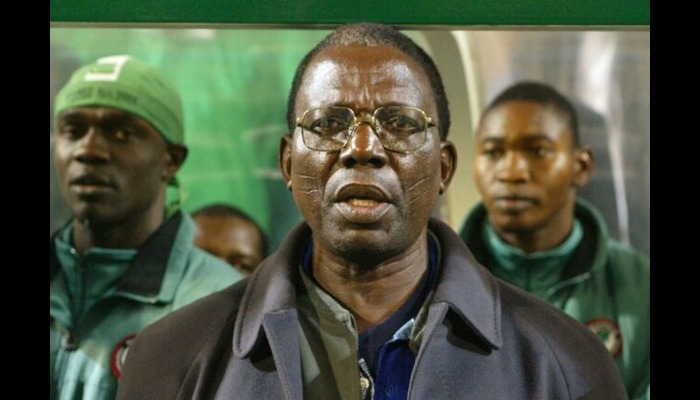
Nigeria is grieving the death of one of its most respected football figures, Festus Onigbinde, who passed away at the age of 88.
The family confirmed his death in a statement released by Bolade Adesuyi, revealing that the renowned coach and community leader died shortly before the announcement was made public.
In the emotional message, the family expressed gratitude to God for his impactful life, describing him as a devoted husband, father, grandfather, great-grandfather, brother, and friend. They also highlighted his status as a High Chief in Modakeke and praised his remarkable contributions to Nigerian football.
The statement thanked him for the legacy he left behind, noting that his dedication to the sport and to the nation would never be forgotten. The family prayed for the peaceful rest of his soul and asked God to grant him eternal peace.
Onigbinde celebrated his 88th birthday on March 5, 2026.
World Cup milestone
One of the defining moments of his career came in 2002 when he led Nigeria to the 2002 FIFA World Cup, held in South Korea and Japan. His appointment made him the first indigenous Nigerian coach to guide the Nigeria national football team—popularly known as the Super Eagles—at the global tournament.
He previously managed the national team between 1982 and 1984 and guided Nigeria to the final of the 1984 Africa Cup of Nations, where they finished as runners-up after losing 3–1 to Cameroon national football team.
Another memorable moment in his coaching career came at the 1988 Africa Cup of Nations, where he again led Nigeria to the final, although the team finished second after another defeat to Cameroon.
Champion of indigenous coaches
Beyond his achievements on the pitch, Onigbinde remained active in football development and later served as a special adviser on football matters to the Osun State Government.
He was widely respected for advocating the growth of locally trained coaches in Nigeria and strongly believed in developing homegrown football talent.
In addition, he contributed to coaching education across the continent as an instructor for the Confederation of African Football and FIFA, where he mentored upcoming coaches and supported several football development programs in Africa.
His legacy remains deeply rooted in the progress of Nigerian football and the promotion of indigenous coaching.