
Politics
Iyabo Obasanjo Joins APC: A Strategic Pivot in Ogun Politics
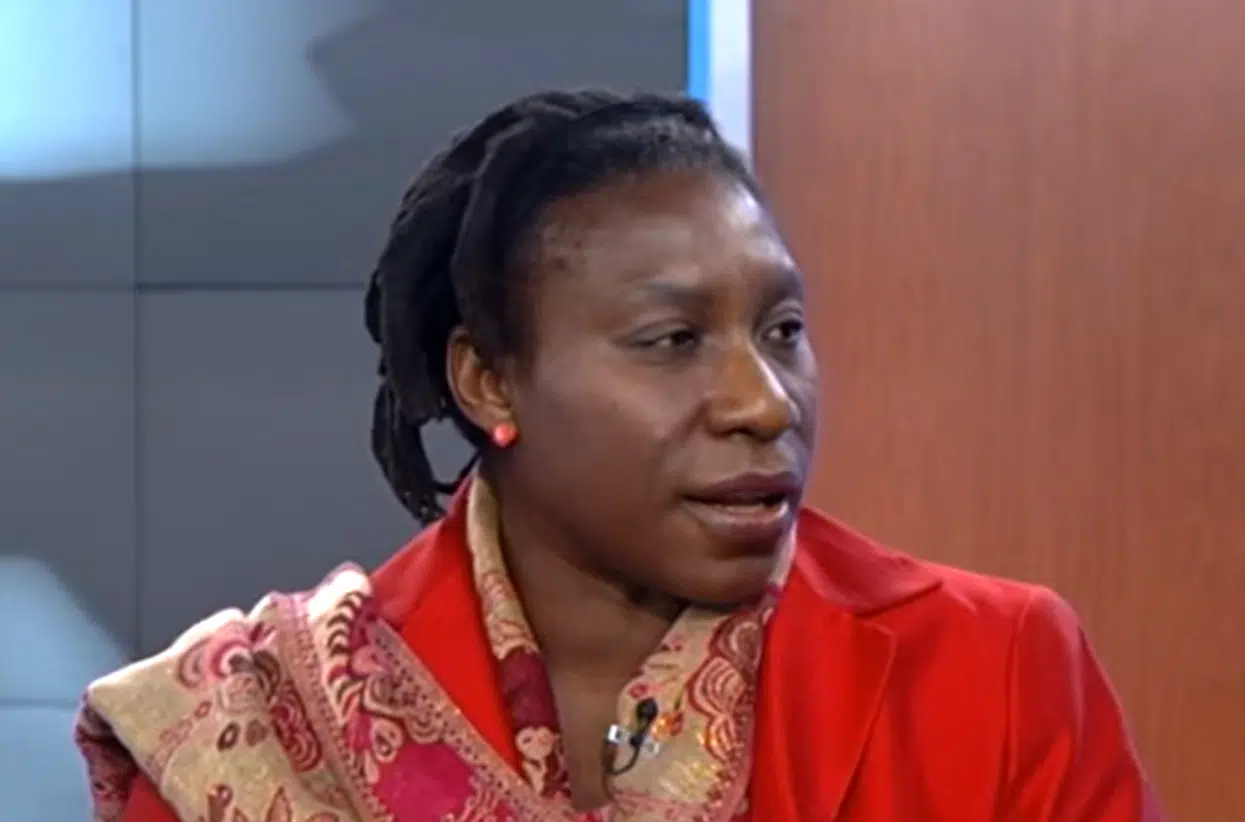
The political landscape of Ogun State shifted significantly this week following reports that Professor Iyabo Obasanjo, the daughter of former President Olusegun Obasanjo, has formally registered as a member of the All Progressives Congress (APC). This move, coming years after her departure from the frontlines of Nigerian elective politics, suggests a calculated re-entry into the arena as the 2027 general elections begin to loom on the horizon.
Confirmation of her registration surfaced on Wednesday through Hon. Biodun Ajayi, a former chairman of the Abeokuta South Local Government and a long-standing ally of the Obasanjo family. According to Ajayi, the former senator completed her online registration at Ibogun Ward 11 within the Ifo Local Government Area on Tuesday. The choice of Ibogun is symbolic, as it serves as the ancestral home of the Obasanjos, anchoring her new political chapter in familiar soil.
The news was further corroborated by a former member of the House of Representatives from the same constituency. Speaking on the condition of anonymity, the source affirmed that the academic and former lawmaker is indeed now a card-carrying member of the ruling party. While the APC’s Director of Publicity, Mr. Femi Nuberu, maintained a neutral stance, he noted that the party’s ongoing membership drive is designed to be inclusive of all Nigerians over the age of 18, regardless of their previous affiliations.
Iyabo Obasanjo’s return to the fold marks a high-profile acquisition for the APC in the South-West. She previously served as the Commissioner for Health in Ogun State between 2003 and 2007, before moving on to represent Ogun Central in the Senate from 2007 to 2011 under the platform of the People’s Democratic Party (PDP). Since leaving office, she has largely focused on her academic career in the United States, currently serving as an Associate Professor of Public Health at the University of Maryland, Baltimore.
The momentum for this transition has been building for months. Late last year, the streets of Abeokuta were adorned with campaign billboards featuring her image and the resonant slogan: “In Ogun State, we know ourselves. Sen (Prof) Iyabo Obasanjo. Omo wa ni, eniyan wa ni, ara wa ni” (She is our child, she is our person, she is one of us). These displays sparked intense speculation among residents and political analysts regarding her intentions.
Initially, the former senator appeared hesitant about a return to the fray. In previous interviews, she attributed the billboards to the enthusiasm of former aides and supporters rather than a personal directive. She often spoke of her contentment with her life in academia, stating that she was living well and teaching in the US. However, she eventually allowed the promotional materials to remain as a gesture of goodwill toward those who still believed in her leadership.
Insiders suggest that her decision to join the APC reflects an independent political trajectory rather than a traditional family-aligned move. Given her father’s famously complicated relationship with various political parties and administrations, Iyabo’s choice to align with the APC demonstrates a willingness to carve out her own path within the current Nigerian power structure.
For the APC, her membership provides a boost to its regional influence. As the party seeks to consolidate power and expand its base ahead of the next election cycle, attracting a figure with both a legacy name and a record of administrative experience is a clear victory. Her background in public health and her international academic standing provide a level of technocratic credibility that appeals to a wide demographic of voters.
The timing of this registration is particularly notable. With political parties across Nigeria engaging in internal restructuring and membership verification, the entry of a “heavyweight” like Obasanjo often signals the beginning of a larger movement. Whether she intends to run for a specific office or serve as a strategic kingmaker within the Ogun APC remains to be seen.
Her supporters argue that her past performance in the Senate and as a health commissioner left a lasting legacy that warrants a return. They point to her ability to navigate complex policy issues and her deep-rooted connection to the local communities in Ogun Central. For these loyalists, her registration is the formalization of a “homecoming” they have long awaited.
As the news circulates, the focus now turns to how the broader Obasanjo political machinery will react and how the APC leadership in Ogun State intends to integrate her into their regional strategy. In a state known for its sophisticated and often volatile political dynamics, Iyabo Obasanjo’s arrival adds a compelling new layer to the narrative.
For now, the Associate Professor remains a bridge between the diaspora and the local grassroots. Her move into the APC is not just a change of party—it is a signal that one of Ogun’s most recognized political figures is ready to engage with the nation’s future once again. As the road to 2027 unfolds, her next steps will undoubtedly be watched with keen interest by both allies and rivals alike.


