
NEWS
JIBWIS Leader Condemns Appointment of New INEC Chief
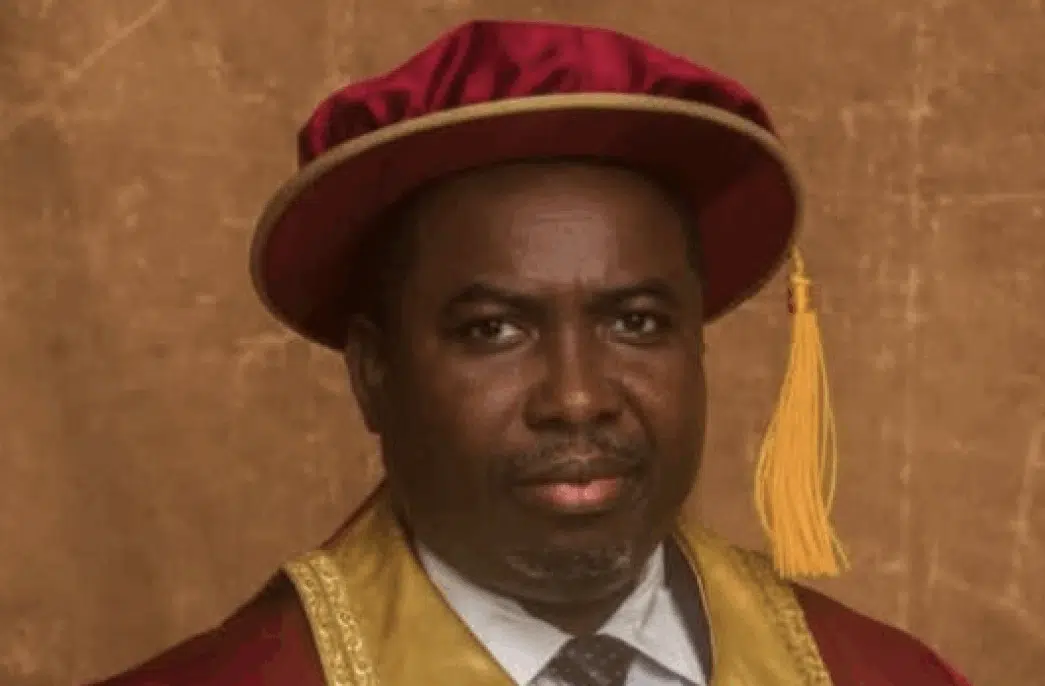
The leadership of Jama’atu Izalatil Bid’ah Wa’ikamatis Sunnah, popularly known as JIBWIS, has issued a scathing rejection of Professor Joash Ojo Amupitan’s appointment as the Chairman of the Independent National Electoral Commission. Speaking at the conclusion of a high-profile national seminar in Jos, Sheikh Sani Yahaya Jingir, the National Chairman of the Council of Ulama, described the selection as a “risk of the highest order.” The religious leader’s remarks have sent ripples through the political landscape, highlighting deep-seated concerns over religious equity and national stability.
Sheikh Jingir’s opposition is rooted in allegations of historical bias. He claimed that the newly appointed electoral umpire has a track record of inflammatory rhetoric against the Muslim community. Specifically, the Sheikh accused Amupitan of previously leveling genocide allegations against Nigerian Muslims in international forums. This history, the cleric argued, fundamentally disqualifies the Professor from leading an institution that requires absolute neutrality and the trust of all religious demographics.
During the three-day seminar at the Saddeqa Event Centre, the atmosphere was one of urgent concern. Sheikh Jingir questioned the rationale behind appointing an individual who he claims has openly criticized the legacy of Sheikh Usman Danfodio. To the JIBWIS leadership, the appointment is not merely a political oversight but a direct affront to the sensibilities of millions of Nigerian Muslims who expect fairness from the electoral body.
The controversy is further complicated by the political context of the current administration. Sheikh Jingir expressed bewilderment that a government founded on a “Muslim-Muslim” ticket would take what he described as a reckless gamble. He suggested that the administration is ignoring the potential for inter-religious friction by placing such a sensitive role in the hands of a figure perceived as hostile to one side of the religious divide.
Beyond the religious grievances, the Sheikh raised alarms regarding national sovereignty. He alleged that the new INEC chief had in the past invited foreign intervention and external attacks on Nigeria. This, according to the cleric, raises significant questions about the appointee’s patriotism and his ability to protect the sanctity of Nigeria’s democratic processes from outside influence.
The silence of the National Assembly on this matter was also a point of contention during the cleric’s address. Sheikh Jingir lamented that lawmakers have remained largely mute despite the growing outcry from religious quarters. He called on the legislature to intervene and ensure that the leadership of the electoral umpire reflects the diversity and fairness necessary for a credible democratic system.
While the Tinubu administration has previously defended its appointments and dismissed claims of bias, the specific allegations raised by JIBWIS have added a new layer of pressure. The government has yet to issue a direct rebuttal to Sheikh Jingir’s recent statements, a silence that critics suggest is fueling further speculation and distrust. The cleric warned that the credibility of future elections hangs in the balance if the leadership of INEC does not command universal public trust.
The JIBWIS leader emphasized that the rejection of Amupitan is a collective stance of Nigerian Muslims who feel marginalized by this specific choice. He argued that for an election to be seen as free and fair, the person overseeing it must be above suspicion and free from any baggage of sectarian antagonism. The Sheikh’s words serve as a formal notification to the presidency that a significant portion of the populace is uncomfortable with the current trajectory of the commission.
As the country moves closer to critical electoral cycles, the friction between religious organizations and the federal government over key appointments appears to be intensifying. The JIBWIS seminar, which was originally intended to focus on internal educational and spiritual matters, ended up becoming a platform for a major political declaration. The call for Amupitan’s removal is now framed not just as a religious demand, but as a necessity for maintaining national peace.
The Sheikh concluded by reiterating that the appointment is ill-timed and fraught with danger for the country’s democratic health. He urged the government to reconsider its position to avoid a total breakdown of confidence in the electoral system. With this development, the spotlight remains firmly on the presidency to see if it will engage with the grievances of the Ulama or maintain its current course.
The intervention by JIBWIS underscores the complex intersection of religion and politics in Nigeria, where the appointment of a single official can trigger a national debate on identity and fairness. As the conversation evolves, the primary concern remains whether the electoral body can function effectively amidst such vocal opposition from one of the nation’s largest religious organizations.