
NEWS
Kano Cabinet Solidifies Behind Gov Yusuf Amid Defection Waves
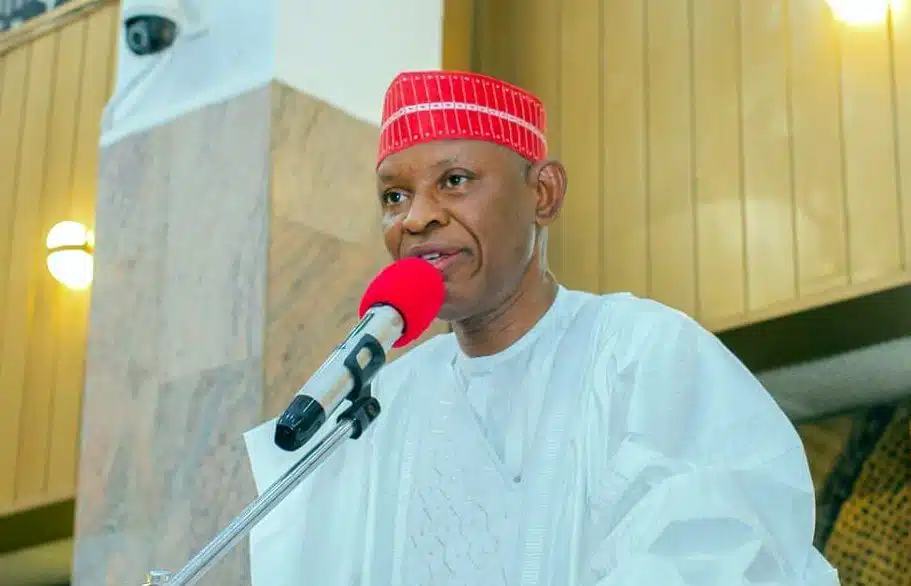
The Kano State Executive Council has moved to douse rumors of administrative instability following the high-profile defection of Governor Abba Kabir Yusuf from the New Nigeria Peoples Party (NNPP) to the All Progressives Congress (APC). Ibrahim Abdullahi Waiya, the Commissioner for Information and Internal Affairs, leading a unified front of state officials on Thursday, dismissed reports of a fractured cabinet as “deliberate misinformation” designed to heat up the state’s political climate.
This public show of force comes as the Yusuf administration navigates a complex transition. While four commissioners—including Mustapha Rabiu Musa Kwankwaso, son of the Governor’s former mentor, and AVM Ibrahim Umar—have resigned to maintain their loyalty to the Kwankwasiyya movement, the remaining cabinet members have doubled down on their support for the Governor. Waiya emphasized that the “levers of government” remain firmly in place, noting that the heads of critical ministries such as Education, Health, Works, Finance, and Justice are fully aligned with the Governor’s new political direction.
The Commissioner’s statement was a sharp rebuke to narratives suggesting the government was “standing on borrowed feet” following its break from Senator Rabiu Musa Kwankwaso. Waiya argued that governance in Kano is driven by institutional structures and popular legitimacy rather than individual godfatherism. He pointed to the continued implementation of developmental projects and the steady movement of the bureaucratic machinery as evidence that the state remains under effective control.
The political stakes were further raised when Waiya, appearing on a live radio program, openly challenged Deputy Governor Aminu Abdussalam Gwarzo to align with the APC or consider resigning. The call highlights the widening rift between the state’s top two leaders, as Gwarzo remains a staunch defender of the NNPP. This friction has created a unique dynamic where the Governor and his cabinet are now operating under the banner of the ruling APC, while the Deputy Governor maintains an opposition stance.
Waiya also linked the newfound political alignment with the potential resolution of the long-standing Kano Emirate crisis. He suggested that the unity within the state’s executive, backed by the federal ruling party, would facilitate a smoother reconciliation process regarding the traditional institution. This indicates that the Governor’s defection is not just an electoral maneuver but a strategic attempt to resolve systemic disputes that have plagued the state’s stability for years.
In a bold assertion of independence, the information commissioner noted that Governor Yusuf is transitioning from a “political protégé” to an objective governing principle. He cited the administration’s focus on education reforms, public trust, and social equity as the real metrics by which the people will judge the government, rather than partisan loyalty. The administration remains defiant, insisting that the gale of resignations by a few Kwankwasiyya loyalists does not equate to an administrative breakdown.
As Kano moves deeper into this new political chapter, the Yusuf administration appears focused on proving that its legitimacy is rooted in performance rather than mentorship. By consolidating the loyalty of the remaining commissioners, the Governor is attempting to build a self-sustaining political block within the APC. The coming weeks will test this resolve as the party gears up for internal registrations and the further integration of the Governor’s team into the APC hierarchy.