
NEWS
Kanu Family Denies Snubbing Okorocha’s Peace Initiatives
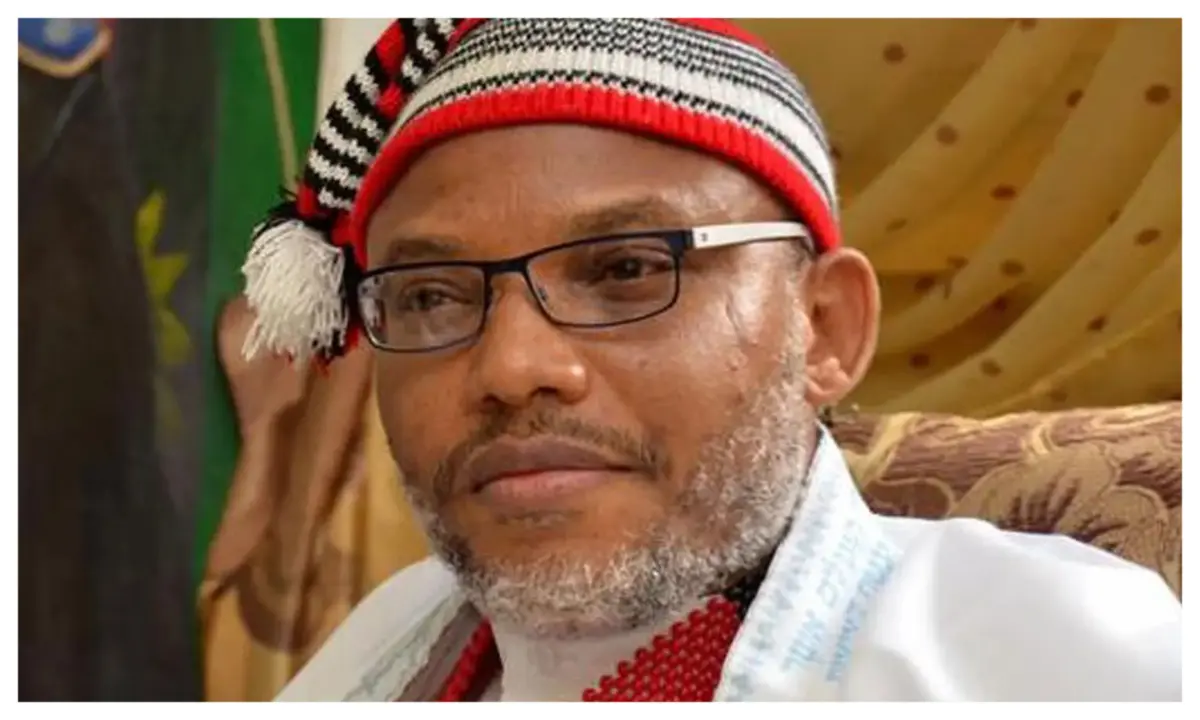
The family of Nnamdi Kanu, the detained leader of the Indigenous People of Biafra, has moved to dispel a growing narrative regarding the origins of the current unrest in Nigeria’s South-East. Prince Emmanuel Kanu, the younger brother of the IPOB leader, issued a detailed clarification on Sunday to address rumors that his brother had previously blocked a significant path to peace.
The controversy centers on claims circulating across social media platforms suggesting that former Imo State Governor, Rochas Okorocha, had attempted to mediate the regional crisis. According to these reports, Kanu allegedly rejected Okorocha’s overtures for dialogue, a move that critics claim led directly to the escalation of insecurity and the controversial Monday sit-at-home orders.
These reports further speculated that had Kanu accepted the intervention from the former governor, he might have avoided his subsequent arrest, extradition, and the lengthy legal prosecution he currently faces. The narrative portrays the IPOB leader as a recalcitrant figure who opted for confrontation over the diplomatic solutions offered by established political leaders.
Prince Emmanuel, however, has characterized these assertions as entirely baseless and a deliberate attempt to rewrite the history of the struggle. He insisted that the idea of his brother snubbing Okorocha is a falsehood designed to mislead the public. According to him, the relationship between the two figures was far more nuanced than a simple rejection of peace talks.
The younger Kanu explained that while it is true that there were significant differences in opinion and strategy between the activist and the former governor, those disagreements never translated into a refusal to communicate. He argued that having a different perspective on the solution to a problem is not the same as being closed to the idea of dialogue itself.
The family spokesperson maintained that Nnamdi Kanu has always been open to sincere and transparent conversations. He noted that the goal has always been to address the multifaceted political and security challenges that have plagued the South-East for years. He emphasized that the IPOB leader recognizes the weight of the issues at hand and the necessity of high-level engagement.
Prince Emmanuel specifically addressed the claim that a personal snub was the catalyst for the region’s current state of flux. He stated that Mazi Nnamdi Kanu never ignored or disrespected Owelle Rochas Okorocha. Instead, he claimed that both men, in their respective roles, understood that the complexities of the region required a variety of approaches and that dialogue was a tool both respected.
The dismissal of these reports comes at a sensitive time for the region, as stakeholders continue to debate the best way to restore normalcy to the five South-Eastern states. By challenging the “snub” narrative, the Kanu family is seeking to reposition the IPOB leader as a figure who is willing to be part of a political solution rather than just a central point of the conflict.
Prince Emmanuel described the attempt to paint his brother as an anti-dialogue hardliner as inaccurate and far from the truth. He suggested that such stories are often pushed by those who wish to see the agitation continued without a peaceful resolution. For the Kanu family, the focus remains on the need for genuine engagement rather than the circulation of social media myths.
He concluded by reiterating that peaceful engagement is the only viable way to find a lasting solution to the systemic challenges confronting the region. The family’s stance is that the truth about past interactions must be preserved if any future reconciliation efforts are to be successful. They believe that misrepresenting past efforts at dialogue only serves to deepen the mistrust between the government and the people.
The clarification serves as a reminder of the complex interplay between grassroots activism and mainstream politics in the South-East. It also highlights the ongoing battle over the public perception of Nnamdi Kanu, as his legal team continues to push for his release and a political settlement to the broader issues of the region.
As the 2026 political cycle begins to loom, the history of who talked to whom—and who refused—is becoming a central theme in the political discourse of Igboland. The Kanu family’s intervention ensures that their side of the story is documented as the region searches for a way out of its current security and economic malaise.