
Politics
Kwankwaso to Yusuf: You’ve Handed Your Mandate to Your Rivals
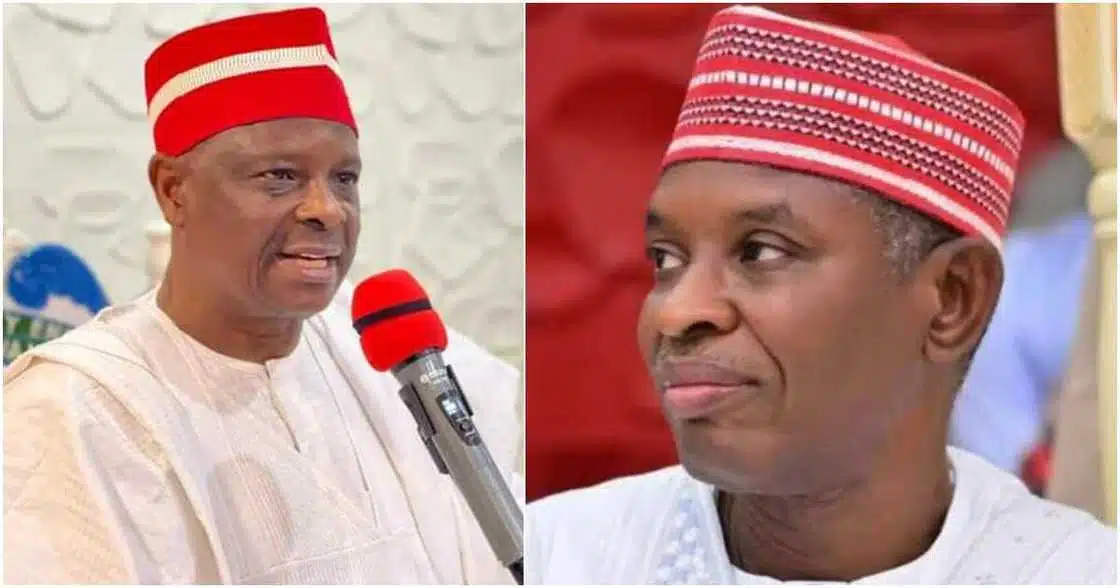
The political alliance that redefined Kano State’s power structure has finally fractured, as Senator Rabiu Musa Kwankwaso, the leader of the New Nigeria Peoples Party (NNPP), broke his silence on the defection of Governor Abba Kabir Yusuf to the All Progressives Congress (APC). In a fiery reaction, the former presidential candidate described the move as a profound betrayal of the millions of voters who stood by the “Kwankwasiyya” movement to deliver the 2023 mandate.
Speaking during a recent interview with the BBC Hausa service, Kwankwaso did not mince words, predicting a difficult political future for the man he once championed. He stated unequivocally that Governor Yusuf would eventually regret the decision to realign with the APC, particularly his new partnership with his long-standing political rival and former APC National Chairman, Dr. Abdullahi Umar Ganduje.
Kwankwaso noted that for many within the NNPP, the defection initially felt like a dream. He revealed that even he struggled to comprehend the shift, questioning what could have gone wrong to prompt such a drastic departure. According to the Senator, the moment Yusuf appeared alongside Ganduje to be formally received into the ruling party, he effectively surrendered his political independence and his prospects for re-election in 2027.
The “betrayal,” as Kwankwaso terms it, is rooted in the history of the 2023 elections. The NNPP leader reminded the public that the party started from scratch in Kano, without a single councilor or chairman, yet managed to defeat the incumbent APC structure through sheer grassroots loyalty. By moving to the APC, Kwankwaso argues that the Governor has handed power back to the very group the people of Kano worked so hard to vote out after eight years of perceived failure.
Adding weight to this sentiment, Buba Galadima, Secretary of the NNPP Board of Trustees, echoed the sense of shock during a separate broadcast. Galadima dismissed the Governor’s claims that the defection was in the “best interest of Kano,” instead characterizing it as a pursuit of narrow personal interests. He argued that if the Governor truly sought a new path, any party other than the APC would have been more palatable to the voters who feel their mandate has been traded away.
The fallout from the move is already visible within the state’s executive council. Following the Governor’s formal entry into the APC on Monday, January 26, 2026, at least four commissioners and several high-ranking aides loyal to Kwankwaso have resigned. These officials cited a “strained relationship” between the Governor and his former mentor as the primary reason for their exit, signaling a deepening divide within the administration.
Governor Yusuf, on his part, has defended the transition as a necessary “political realignment” to bridge the gap between the state and the federal government. He maintains that the people of Kano are more concerned with tangible development and infrastructure than partisan rivalry. However, Kwankwaso insists that the people’s trust has been breached, and he warned that “the moment Ganduje raises his hand, the election is already lost.”
As the state adjusts to this “political tsunami,” the battle lines for the 2027 general elections are being drawn much earlier than expected. While the APC celebrates the inclusion of an eighth governor into its ranks within the last year, the NNPP leadership remains defiant, claiming that the core Kwankwasiyya movement remains the “party to beat” in the heart of the North.


