
METRO
Maureen Badejo Detained in Lagos as Clerical Legal Battles Move to Nigerian Soil
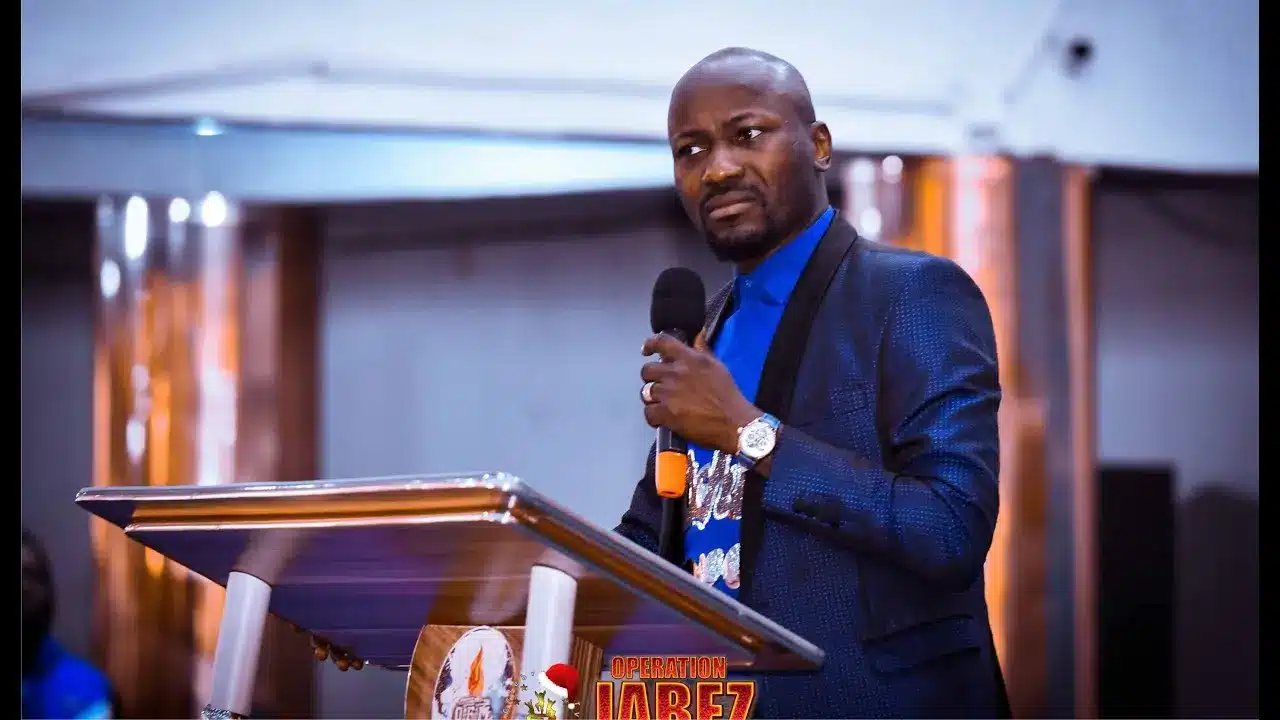
The long-standing digital warfare between UK-based blogger Maureen Badejo and some of Nigeria’s most prominent religious figures has taken a dramatic turn with her arrest in Lagos. Operatives from the Nigeria Police Force took the GIOTV founder into custody on Friday, marking a significant escalation in a conflict that has spanned continents and courtrooms. Currently held at the Cybercrime Unit in Adekunle, Yaba, Badejo finds herself at the center of a high-stakes interrogation following petitions from top-tier clerics.
Sources indicate that the move was triggered by formal complaints lodged by Apostle Johnson Suleman of Omega Fire Ministries and Dr. Daniel Olukoya of Mountain of Fire and Miracles Ministries. While the specific charges have not been fully publicized, the investigation is centered on Badejo’s prolific social media presence and her penchant for broadcasting whistleblown allegations against the Nigerian church hierarchy. Her arrest signals that the legal protections she enjoyed while broadcasting from the United Kingdom may not extend to her physical presence on Nigerian soil.
Badejo has built a massive online following by providing a platform for disgruntled former church members and associates to air their grievances. Her “GIOTV” platform has frequently targeted the personal and professional lives of various General Overseers. These broadcasts have often crossed into the realm of legal disputes, but this is the first time the blogger has been physically restrained by Nigerian authorities. The Cybercrime Unit is reportedly scrutinizing her digital output to determine if her publications violate national statutes regarding online harassment and defamation.
The irony of the current situation is not lost on observers who have followed the legal history between Badejo and Apostle Suleman. Only two years ago, the UK High Court of Justice ruled in favor of Badejo in a defamation suit filed by Suleman. The court ordered the cleric to pay nearly £20,000 in legal costs after his claims failed to hold up in the British judicial system. The power dynamic appears to have shifted now that the venue has moved from the Queen’s Bench Division to the Lagos Criminal Investigation Department.
Tensions further heightened last year when Badejo publicly rejected an offer from Suleman to settle his court-ordered debt in small monthly installments. She insisted on the full sum, a move that was seen as a defiance of the cleric’s influence. This history of financial and legal friction suggests that the current police intervention is the latest chapter in a deeply personal and protracted feud. For the clerics, the arrest represents a long-awaited opportunity to hold their critic accountable under Nigerian law.
Simultaneously, Badejo’s work has intertwined with the internal scandals of the Mountain of Fire and Miracles Ministries. She was instrumental in publicizing the story of Sunday Bawura Olowoyeye, a former MFM pastor who alleged he was neglected by the church during a family crisis. Olowoyeye’s subsequent arrest and 16-day detention at FCID Alagbon formed the basis of a ₦1 billion lawsuit against Dr. Olukoya. The pastor claimed his ordeal began precisely because he took his grievances to Badejo’s digital platform.
The blogger’s detention has sent shockwaves through the Nigerian diaspora, a community that previously crowdfunded her legal fees during her UK battles. To her supporters, she is a brave voice exposing systemic rot within powerful religious institutions. To her detractors, particularly the followers of the embattled General Overseers, she is a purveyor of “fake news” and a digital assassin who uses her platform to blackmail and defame respected spiritual leaders without sufficient proof.
The Nigeria Police Force has remained relatively tight-lipped regarding the specific duration of her detention or the exact nature of the cybercrime charges she might face. In Nigeria, cyberstalking and the publication of offensive material online can carry significant prison sentences and heavy fines. The interrogation in Yaba is expected to delve into her sources and the veracity of the claims she has broadcasted over the last several years, many of which the clerics have chosen not to address publicly until now.
This case raises critical questions about the reach of Nigerian law over content published by citizens living abroad. It also highlights the extreme sensitivity of religious leaders to digital criticism. As the interrogation continues, the legal teams for both Suleman and Olukoya are expected to present further evidence of what they term “persistent character assassination.” The outcome of this detention could set a major precedent for how bloggers and social media influencers interact with powerful public figures in Nigeria.
As of now, Badejo remains in custody, and the absence of an official police statement has fueled intense speculation on social media. Her transition from a distant critic in London to a detainee in a Lagos cell marks a pivot point in the relationship between the Nigerian state, the church, and the digital press. Whether this leads to a formal trial or a quiet release, the message to online critics is clear: the borders of digital discourse are narrowing, and the consequences of “clicking send” can follow one across the globe.