
NEWS
Momodu Challenges Akpabio on Network Claims
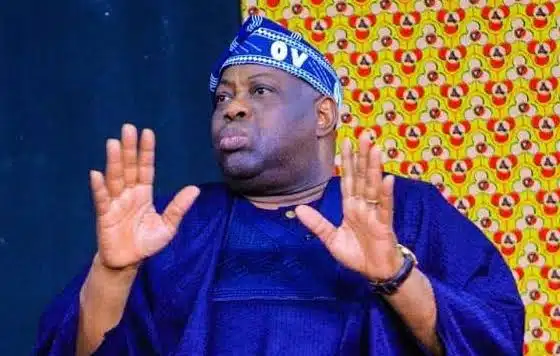
Dele Momodu, a prominent voice within the African Democratic Congress (ADC), has publicly challenged Senate President Godswill Akpabio regarding claims that mobile network services are nonexistent in nine Nigerian states. The clash stems from heated debates over the Electoral Act amendment, specifically concerning the electronic transmission of election results.
Akpabio recently asserted at a public event that high levels of insecurity have crippled network infrastructure in over nine states. According to the Senate President, this situation renders the real-time electronic transmission of election results impossible in those areas, suggesting that such a mandate would technically exclude these regions from the electoral process.
Taking to social media platform X, Momodu vehemently rejected this rationale, characterizing it as an untenable excuse to undermine a more credible electoral system. He emphasized that the nation has moved far beyond the “illiterate era” where technological hurdles could be easily accepted as insurmountable roadblocks.
Momodu pointed out the irony of citing network failure on the ground when modern technology enables high-speed internet connectivity for passengers flying at 40,000 feet. For him, the logistical challenge of ensuring connectivity in specific states is far less complex than the technology powering aviation communications.
The ADC chieftain directly dared Akpabio to identify the specific states allegedly lacking mobile network coverage. He argued that if these regions exist, the responsibility lies with authorities to rectify the situation immediately rather than abandoning the quest for electoral transparency.
Momodu called upon the Independent National Electoral Commission (INEC) to engage telecommunications giants directly to address any connectivity gaps. He insisted that the focus should be on solving the technical challenges rather than jeopardizing the integrity of the entire electoral process.
Furthermore, Momodu questioned the logic of halting progress for the entire nation based on potential difficulties in only a quarter of the states. He suggested that such arguments are designed to sentence the country to continued technological and political backwardness.
The debate highlights the deep divisions within Nigeria’s political class regarding the modernization of the voting process. While some argue that infrastructure deficits make electronic transmission risky, others believe that failure to adopt technology ensures the continuation of electoral malpractice.
Momodu’s intervention adds a new layer to the ongoing #OccupyNASS protests and broader civil society advocacy for electoral reforms. The contention over network capabilities has now become a central battleground in defining the future of Nigerian elections.
As the standoff continues, the pressure mounts on both the National Assembly and INEC to provide concrete data regarding network coverage. Momodu’s challenge forces a spotlight on the feasibility of conducting truly modern elections in the face of infrastructure and security challenges.


