
BUSINESS
Naira Rebounds as Holiday Trading Boosts Currency Stability
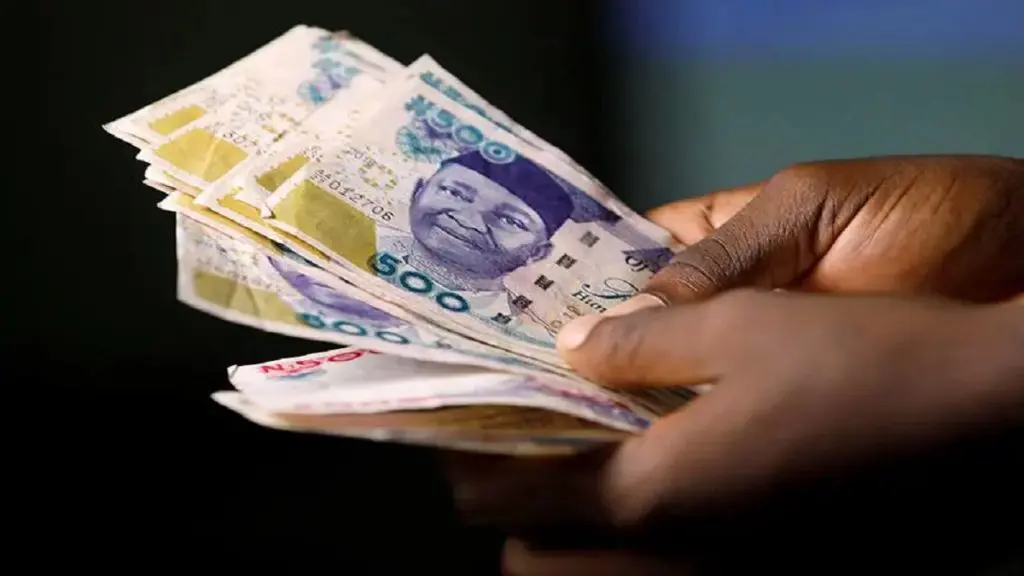
The Nigerian Naira has kicked off the final full trading week before the Yuletide festivities on a positive trajectory, recording a notable recovery against the United States dollar in the official foreign exchange market. This upward swing brings a glimmer of optimism to the financial sector as Nigerians prepare for the peak of the end-of-year shopping season, providing a much-needed reprieve from the volatility that has characterized the currency market throughout the fourth quarter.
Official data released by the Central Bank of Nigeria confirmed that the local currency strengthened to N1,456.56 per dollar during Monday’s trading session. This performance marks a significant shift from the N1,464.49 exchange rate recorded at the close of business last Friday, December 19, 2025. By shedding several points of pressure, the Naira effectively gained N7.93 against the greenback in a single day of trading, signaling a potential stabilization period as the year draws to a close.
Market analysts have observed that Monday’s appreciation is particularly noteworthy because it represents the first major gain for the Naira at the official window since December 15th. For over a week, the currency had been locked in a sideways or downward trend, sparking concerns among importers and holiday travelers about the cost of transactions during the busy festive period. The sudden reversal suggests that liquidity measures and market interventions may be finding their footing.
While the official market showed signs of recovery, the parallel or “black” market told a story of cautious equilibrium. In the bustling financial hubs of Abuja, particularly among Bureau De Change operators in the Wuse Zone 4 district, the Naira maintained a steady position. Traders reported that the currency was exchanged at a rate of N1,500 per dollar, showing little movement from previous days. This stability in the informal sector often indicates that demand and supply have found a temporary, if fragile, balance.
The disconnect between the official and parallel rates remains a point of interest for economists, yet the narrowing gap is seen as a positive sign for the Central Bank’s ongoing unification efforts. As the official rate moves closer to the N1,450 mark, the arbitrage opportunities that often distort the economy begin to shrink, potentially leading to more transparent price discovery in the coming months.
Supporting this renewed strength is the healthy state of Nigeria’s external reserves. Latest figures indicate that the nation’s foreign currency buffers stood at approximately 44.66 billion as of the end of last week. This robust reserve level provides the Central Bank with the necessary ammunition to defend the currency and ensure that essential foreign exchange obligations are met without triggering a panic in the marketplace.
The timing of this appreciation is crucial for the Nigerian retail sector. As the week progresses toward Christmas, the demand for foreign exchange typically peaks as businesses finalize orders and individuals process holiday-related payments. A stronger Naira helps to mitigate the “imported inflation” that often plagues the country during high-consumption periods, potentially keeping the prices of festive goods from spiraling out of reach for the average citizen.
Despite the positive start to the week, seasoned traders remain watchful. They point out that the final days of the year often bring unpredictable spikes in volume, and the sustainability of this gain will depend on continued interventions and the global performance of the dollar. However, for the moment, the data suggests that the Naira is entering the holiday season with a newfound sense of resilience.
Investors and corporate entities are likely to view this minor rally as a window of opportunity to settle outstanding dollar-denominated invoices before the new year. As the government continues to implement fiscal reforms aimed at boosting non-oil exports and attracting foreign direct investment, the stability of the exchange rate remains the most critical barometer of economic health in the eyes of the public.
For now, the N7.93 gain serves as a psychological boost for a market that has been under significant duress. Whether this trend persists through the remaining days of 2025 remains to be seen, but the Monday morning rebound has certainly set a more favorable tone for the week’s economic narrative.


