
NEWS
Naira Redesign: Court Witness Confirms Emefiele Acted on Buhari’s Orders
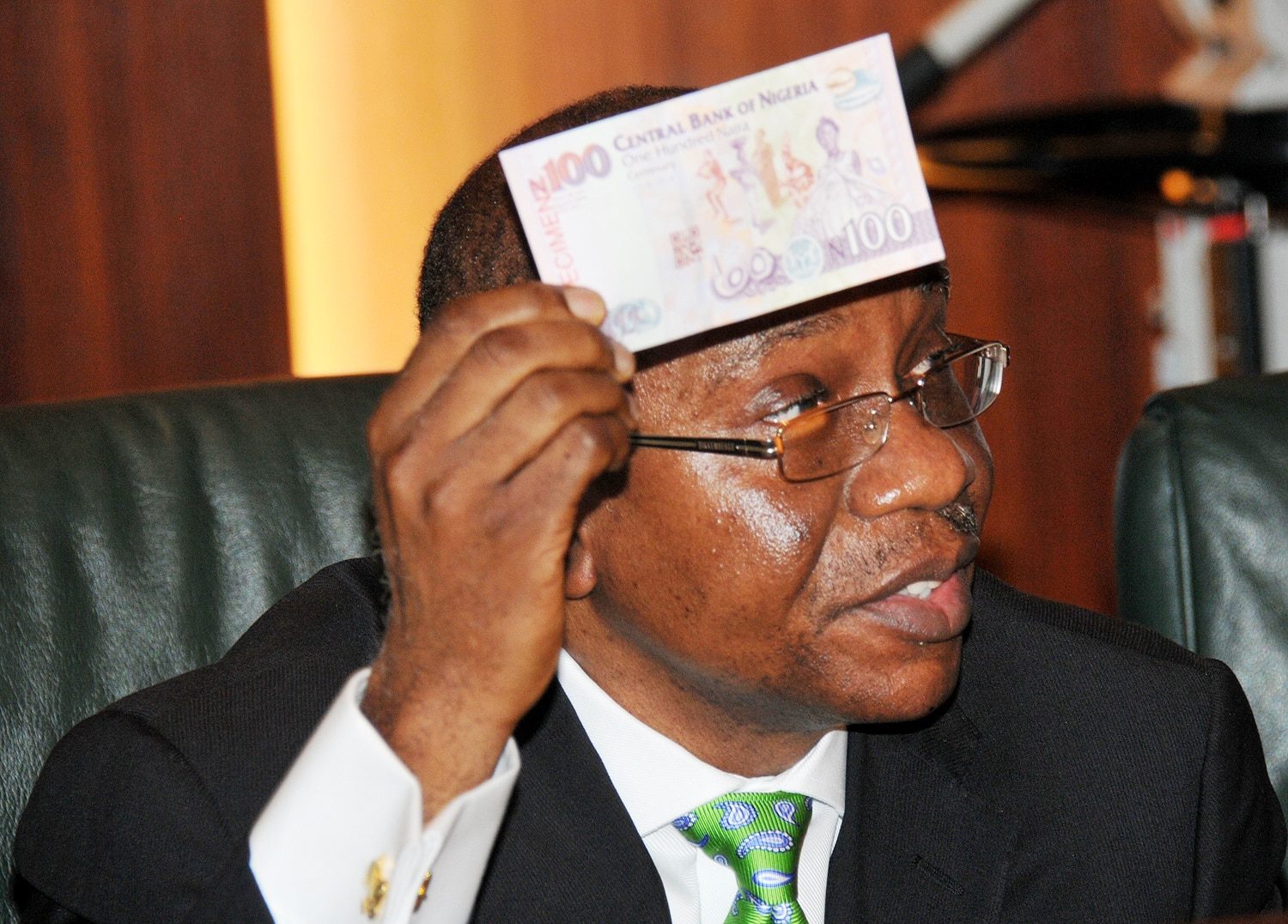
The high-stakes legal battle surrounding the tenure of former Central Bank of Nigeria (CBN) Governor Godwin Emefiele took an unexpected turn in an Abuja High Court this Tuesday. A key witness, fielded by the prosecution, provided testimony that appeared to bolster the defense’s argument that the controversial 2022 currency redesign was not a rogue operation, but a policy executed under the direct mandate of the presidency.
Chinedu Emere, an investigator with the Economic and Financial Crimes Commission (EFCC), stood before Justice MaryAnne Anenih to recount the findings of his team’s probe. Under the heat of cross-examination by defense counsel Olalekan Ojo, SAN, the investigator admitted that Emefiele’s actions were in strict compliance with a written directive from the late President Muhammadu Buhari. The testimony specifically highlighted that the former president had personally approved the redesign of the ₦1,000, ₦500, and ₦200 notes.
According to the witness, the paper trail begins with a memorandum dated October 6, 2022. In this document, Emefiele laid out a grim economic landscape, citing a surge in counterfeiting and a worrying shortage of physical banknotes in the banking system. The memo was a formal request to the presidency to overhaul Nigeria’s currency denominations to regain control of the money supply.
The investigator confirmed that President Buhari’s response was clear and documented in a minute on the memorandum. The late president had scribbled a directive that became the cornerstone of Tuesday’s testimony: “Approved. But to be produced locally.” This specific instruction placed the responsibility for printing the new notes squarely on the shoulders of the Nigerian Security Printing and Minting Company (NSPMC).
Emere, testifying as the seventh prosecution witness (PW7), clarified that the subsequent financial transactions carried out by the CBN were consistent with this presidential order. The apex bank raised settlement bills in favor of the NSPMC, ensuring that the physical production of the currency remained within Nigerian borders. This revelation directly addresses one of the core allegations against Emefiele regarding the legality of the procurement process.
However, the testimony introduced a nuanced distinction between the design and the production of the notes. While the printing was local, the investigator revealed that the actual design work was outsourced to the British firm, De La Rue. Emere explained that the CBN made payments to the foreign company in British Pound Sterling in 2023 for the redesign services.
The witness justified this by noting that De La Rue was the original creator of the existing naira designs and the architect of the security features embedded in the currency. When asked if a Nigerian company had ever designed the nation’s currency in the past, Emere stated he could not recall such an instance, adding that the focus of the EFCC investigation was not on the nationality of the designers but on the process of reissuance.
The narrative of the trial also touched upon the public launch of the currency. The witness confirmed that President Buhari himself presided over the unveiling of the redesigned notes. Furthermore, the investigator admitted under questioning that he could not remember the former president ever raising a complaint or expressing dissatisfaction with the policy or its execution during his remaining time in office.
Despite these admissions, the EFCC maintains that Emefiele’s conduct contravened Section 123 of the Penal Code, alleging that his actions caused public injury. Emefiele has consistently pleaded not guilty, maintaining that he was a public servant carrying out the lawful orders of his superior. The defense’s strategy has been to frame the entire episode as an authorized government policy rather than a personal criminal enterprise.
A moment of procedural tension flared during the proceedings when the defense requested to see the EFCC’s final investigative report. The prosecution, led by Rotimi Oyedepo, SAN, initially objected to the request, claiming the document was not in their immediate possession. The defense argued that the report was essential for a fair trial and for preparing their rebuttal.
Justice MaryAnne Anenih ruled in favor of the defense, dismissing the prosecution’s objection. She ordered the EFCC to make the investigative report available to Emefiele’s legal team, emphasizing the importance of transparency in the judicial process. This ruling marks a small but significant victory for the defense, as it grants them access to the internal logic and findings of the agency that brought the charges.
As the court adjourned until February 10, the atmosphere in the courtroom remained charged. The testimony of PW7 has effectively shifted the focus back to the interactions between the CBN and the Presidency, raising questions about the boundaries of executive authority and the legal protections afforded to officials who carry out presidential directives.
For the public, the trial continues to offer a rare behind-the-scenes look at the decision-making processes that led to the 2023 cash crunch, a period of significant hardship for many Nigerians. The witness’s confirmation of Buhari’s “locally produced” mandate provides a crucial piece of the puzzle in determining whether the redesign was a policy failure or a criminal offense.
The upcoming sessions are expected to delve deeper into the financial records and the internal communications of the CBN. With the investigative report now set to be turned over to the defense, the next stage of the trial promises a more detailed examination of the evidence that the EFCC believes proves Emefiele’s guilt, versus the defense’s claim of presidential immunity and compliance.


