
NEWS
Obi Demands Urgent Action as Kwara Massacre Toll Hits 162
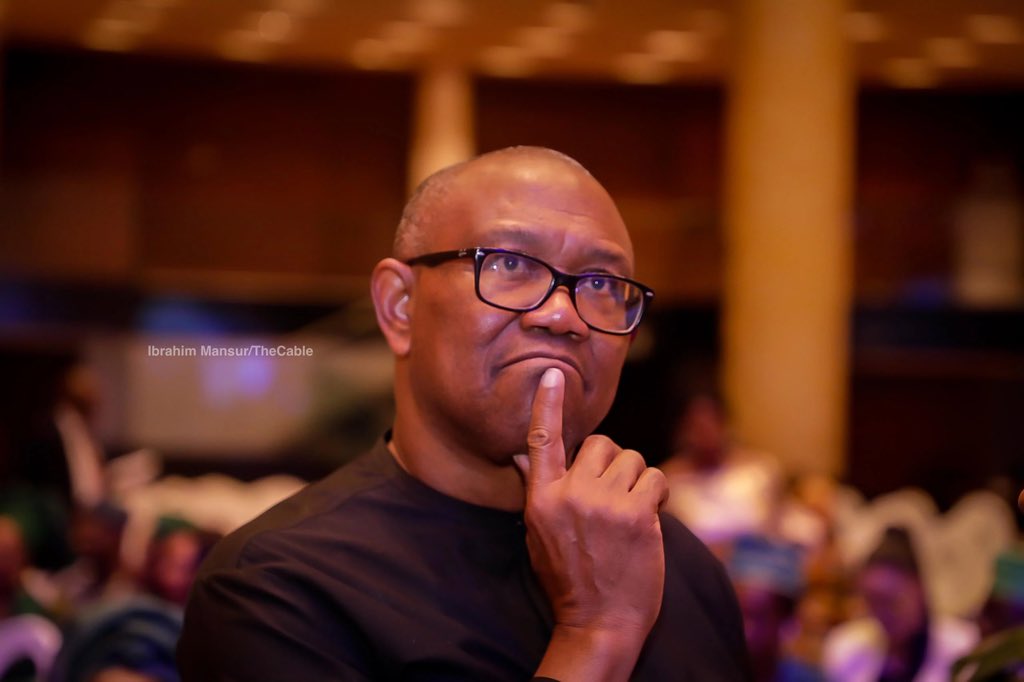
The silence of the Nigerian hinterland has once again been shattered by the echoes of gunfire and the cries of the bereaved. In what is being described as a staggering blow to national security, gunmen recently descended upon the Woro and Nuku communities in Kwara State, leaving a trail of blood that has claimed at least 162 lives. This latest eruption of violence has not only devastated local families but has also drawn a sharp, pained rebuke from Peter Obi, the 2023 presidential candidate for the Labour Party.
Reacting to the carnage with a mix of grief and indignation, Obi took to his official channels to address the nation under a clarion call: “We Must Act Now.” For many, his words served as a sobering mirror to a country increasingly numbed by daily reports of banditry and communal attacks. Obi characterized the massacre as more than just a local tragedy; he framed it as a “major failure” for Nigeria as a sovereign entity, suggesting that the basic social contract of protecting citizens is fraying at the edges.
The details emerging from the affected villages of Woro and Nuku paint a grim picture of a sudden, overwhelming assault. Witnesses and local reports suggest that the gunmen moved with a terrifying level of impunity, targeting innocent residents who had little to no means of defense. By the time the dust settled, the death toll had climbed to figures that rival the casualty rates of established war zones. It is this specific comparison—Nigeria’s internal security crisis versus international conflicts—that Obi highlighted with particular urgency.
In his statement, the former governor of Anambra State did not mince words regarding the scale of the crisis. He pointed out that these recurring acts of violence have reached a point where they are now “worse than what occurs in some countries at war.” This assessment highlights a growing sentiment among many Nigerians that the distinction between a state of peace and a state of war has become dangerously blurred in several regions of the country.
Obi’s message was a blend of empathy and a demand for systemic overhaul. While expressing his heartfelt condolences to the families of the victims and the government of Kwara State, he pushed for a more aggressive posture from the federal government. He called for a formal declaration of war—not against a foreign power, but against the insecurity that has made life and property feel disposable. The plea was simple yet profound: the government must deploy every possible resource to end what he described as a “scourge” on the Nigerian people.
The tragedy in Kwara serves as a painful reminder of the widening map of insecurity. While northern regions have historically borne the brunt of such attacks, the infiltration of such massive violence into Kwara suggests that no corner of the country is truly insulated. Obi emphasized that the authorities must act swiftly, not just to apprehend the perpetrators of the Woro and Nuku killings, but to restore a sense of sanity to the national landscape.
Justice, in this context, is seen as the only viable path to peace. Obi’s call to action included a demand that the perpetrators be brought to book to reassure Nigerians that their lives still hold value in the eyes of the state. He argued that without a visible and firm response, the cycle of impunity will only embolden those who believe they can kill without consequence. The sense of urgency in his tone suggests that the time for “monitoring the situation” or “condemning the act” in press releases has long since passed.
As the communities of Kwara begin the agonizing process of burying their dead, the political reverberations of this attack continue to grow. Critics and citizens alike are looking toward the security apparatus to explain how such a large-scale massacre could occur without intervention. Obi’s intervention taps into a national vein of frustration, positioning the Kwara killings as a definitive moment where the government must prove its ability to govern and protect.
The narrative of “Woro and Nuku” is now etched into the long, dark list of Nigerian towns defined by tragedy. For Peter Obi, the path forward is clear: a total mobilization of national will and resources. He maintains that until the security of the common citizen becomes the highest priority of the state, the promise of progress remains an empty one. The message is a reminder that while the statistics are recorded in numbers, the loss is felt in souls, and the responsibility lies squarely with those who hold the reins of power.


