
Politics
Otti Plots New Course for Labour Party After Obi’s Exit
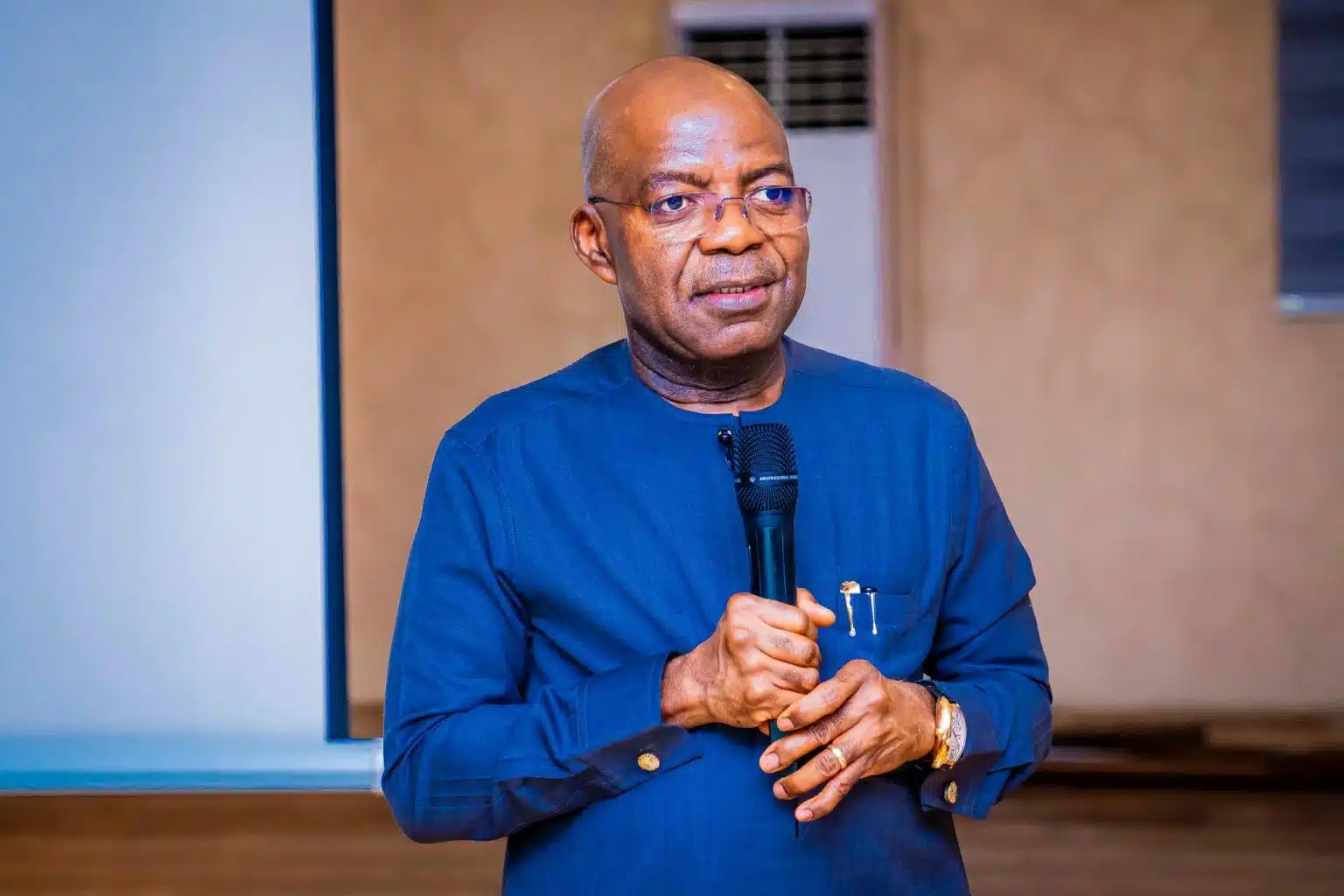
The political landscape of the Labour Party (LP) underwent a seismic shift this weekend as Abia State Governor Alex Otti led a high-stakes National Executive Committee (NEC) meeting in Abuja. Coming on the heels of a definitive court ruling that ended Julius Abure’s tenure as National Chairman, the gathering served as both a post-mortem of recent leadership crises and a blueprint for a survival strategy. The atmosphere was one of calculated transition as the party’s only sitting governor moved to fill the leadership vacuum and steady a ship that has been tossed by internal storms and high-profile departures.
The most poignant moment of the briefing followed Otti’s candid admission regarding the exit of Peter Obi, the party’s 2023 presidential standard-bearer. For a party that rose to unprecedented prominence on the back of the “Obidient” movement, the formal acknowledgment of Obi’s departure felt like the end of an era. Otti did not mince words, expressing a deep sense of regret over the loss of a leader who redefined the party’s national reach. While he offered well-wishes for Obi’s future endeavors, the subtext was clear: the Labour Party is now forced to reinvent its identity without its most recognizable face.
Despite the shadow cast by Obi’s exit and a string of defections within the National Assembly, Otti maintained a defiant stance on the party’s resilience. He argued that while individuals may move on, the institutional framework of the Labour Party remains a potent force in Nigerian politics. To prove this, the NEC resolved to immediately trigger a series of administrative resets designed to purge the party of the legal and structural ambiguities that defined the Abure era.
Central to this comeback plan is a comprehensive schedule for internal elections. Otti announced that the party will commence nationwide congresses starting in March, culminating in a national convention. This timeline is critical for a party currently governed by an interim structure. By setting a hard date for these exercises, the LP is signaling to the Independent National Electoral Commission (INEC) and the voting public that it is ready to move past the “courtroom era” of its internal politics and return to the business of grassroots organizing.
The meeting also tackled the foundational issue of the party’s base. A new committee has been inaugurated to oversee a nationwide membership revalidation and registration drive. This move is seen by political analysts as an attempt to quantify the party’s actual strength following the 2023 surge. By opening the books for new members, the leadership hopes to attract fresh blood and perhaps win back those who became disillusioned during the protracted leadership tussle between the Abure faction and the various splinter groups.
In an olive branch that surprised some observers, Otti extended a formal appeal to the ousted chairman, Julius Abure, and his loyalists. The Governor’s invitation for them to “sheathe their swords” and return to the fold suggests a desire for a clean break from the animosity of the past. However, this invitation came with a caveat: any returning member must be willing to submit to the new rules and the interim leadership. This suggests that while the door is open for reconciliation, the power dynamics within the party have irrevocably shifted toward the governors and the NEC.
The creation of a dedicated Reconciliation Committee further emphasizes this push for unity. While the interim National Working Committee will determine the exact timing for the panel’s inauguration, the goal is to create a soft landing for aggrieved members who left during the height of the infighting. Otti’s rhetoric suggests a pragmatic realization that a fragmented party cannot survive the journey to the next general election cycle.
However, the road to recovery is not without its immediate casualties. In a move that reflects the party’s current logistical and administrative hurdles, Otti confirmed that the Labour Party would not be fielding candidates in the upcoming Federal Capital Territory (FCT) council elections. This withdrawal is a sobering admission of the toll that internal crises have taken on the party’s readiness. It appears the leadership has chosen to sacrifice immediate local contests to focus on the Herculean task of national rebuilding.
As the meeting concluded, the message from the Abia Governor was one of measured optimism. He portrayed the current trials as a necessary refining process that would eventually produce a more disciplined and formidable political organization. For a party that captured the imagination of Nigeria’s youth just a few years ago, the challenge now is to prove that it can exist as a structured political entity rather than just a vehicle for a single charismatic personality.
The coming months will be a litmus test for Otti’s leadership. If the March congresses proceed without the traditional chaos of Nigerian party politics, the Labour Party may yet retain its status as a serious third force. If they fail, the regret over Peter Obi’s exit may turn into a permanent eulogy for a movement that once promised to “take back” the country. For now, the focus remains on revalidating the faithful and preparing for a convention that will define the party’s future.


