
NEWS
Presidency Slams Amaechi Over Fabricated Tax Claims
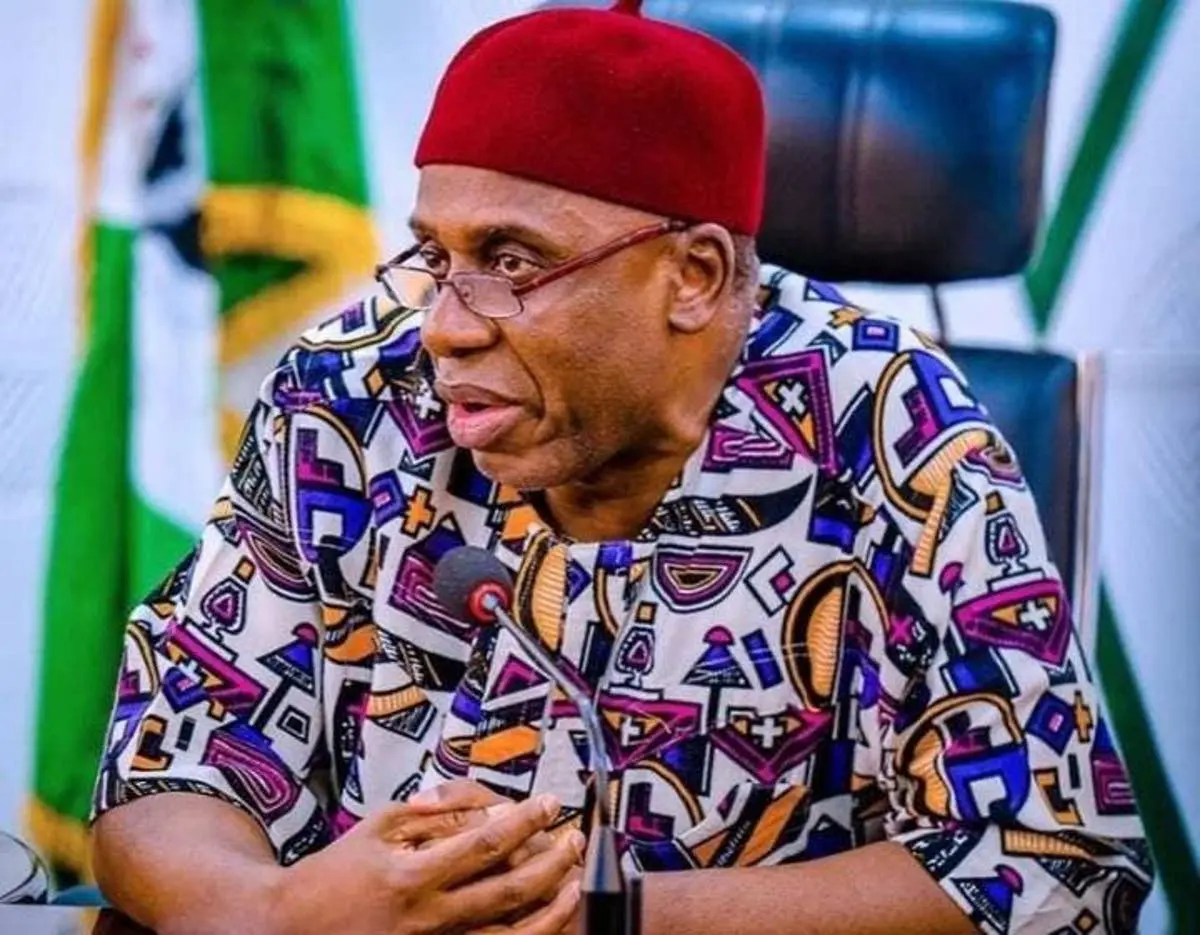
The Nigerian presidency has launched a blistering counterattack against former Minister of Transportation, Rotimi Amaechi, accusing him of peddling dangerous falsehoods regarding a purported tax law designed to burden citizens. Bayo Onanuga, the Special Adviser to the President on Information and Strategy, took to social media to thoroughly debunk the narrative, labeling Amaechi’s assertions as “egregious lies” designed to mislead the public. This sharp exchange highlights growing political tensions as rhetoric intensifies ahead of future electoral cycles.
At the center of the controversy is a viral video featuring Amaechi warning Nigerians about a supposed catastrophic tax policy that he claims will be implemented immediately after the next general election if the All Progressives Congress retains power. Amaechi painted a grim picture, alleging that a massive chunk of payments for services or goods would be automatically deducted from citizens’ accounts. He suggested that for every one hundred million Naira paid for materials, twenty-five million Naira would vanish directly from the recipient’s account, effectively imposing a crippling twenty-five percent tax burden on the economy.
Amaechi argued that this alleged measure would trigger a devastating economic ripple effect, causing landlords to drastically increase rents and professionals to hike their prices to offset the loss. He specifically warned that this burden would be transferred down the chain to doctors, carpenters, and ultimately, everyday Nigerians trying to survive. The former minister challenged the public to verify these claims with legal professionals, suggesting that the government is strategically waiting until after the election to implement the policy to avoid voter backlash.
However, the Presidency quickly moved to squash these claims, with Onanuga accusing Amaechi of sinking to a new low by intentionally misinforming the public about the true nature of tax regulations. Onanuga dismissed the narrative as blatant falsehood, expressing disbelief that a former high-ranking government official would propagate such unverified information. He queried whether this tactic is a deliberate preview of the opposition’s campaign strategy for the 2027 election, rather than a genuine concern for public welfare.
This confrontation underscores a significant battle over narrative and public perception between the current administration and opposition figures. By attacking the credibility of the former minister, the presidency aims to reassure citizens that no such punitive tax policy is in the works, emphasizing stability over alarmism. The swift response indicates that the government intends to aggressively combat what it considers misinformation campaigns that could undermine its economic agenda.
The economic implications mentioned by Amaechi, while alarming, are framed by the presidency as unfounded fear-mongering rather than legitimate policy critique. Citizens are now left to navigate these conflicting narratives, with the opposition focusing on potential future hardships and the government emphasizing current stability and responsible governance. This episode further illustrates how quickly economic issues can become highly charged political weapons in the Nigerian context.
As the political landscape continues to evolve toward the next electoral showdown, such public disputes are likely to become more frequent. Both sides are keenly aware of the power of social media to amplify messages, whether they are accurate assessments of policy or political theater. The presidency’s decisive dismissal of Amaechi’s claims serves as a warning that they will not tolerate narratives they deem harmful to their reputation or economic plans.
The debate over the tax law highlights a fundamental disagreement regarding economic strategy, transparency, and the role of the government in managing the cost of living. While Amaechi focuses on potential future burdens, the administration focuses on present actions and the integrity of its information dissemination. This public clash ensures that economic policy and its impact on the populace will remain central to the political discourse moving forward.


