
NEWS
Reps Slam Executive for ‘Illegal’ Tax Law Changes
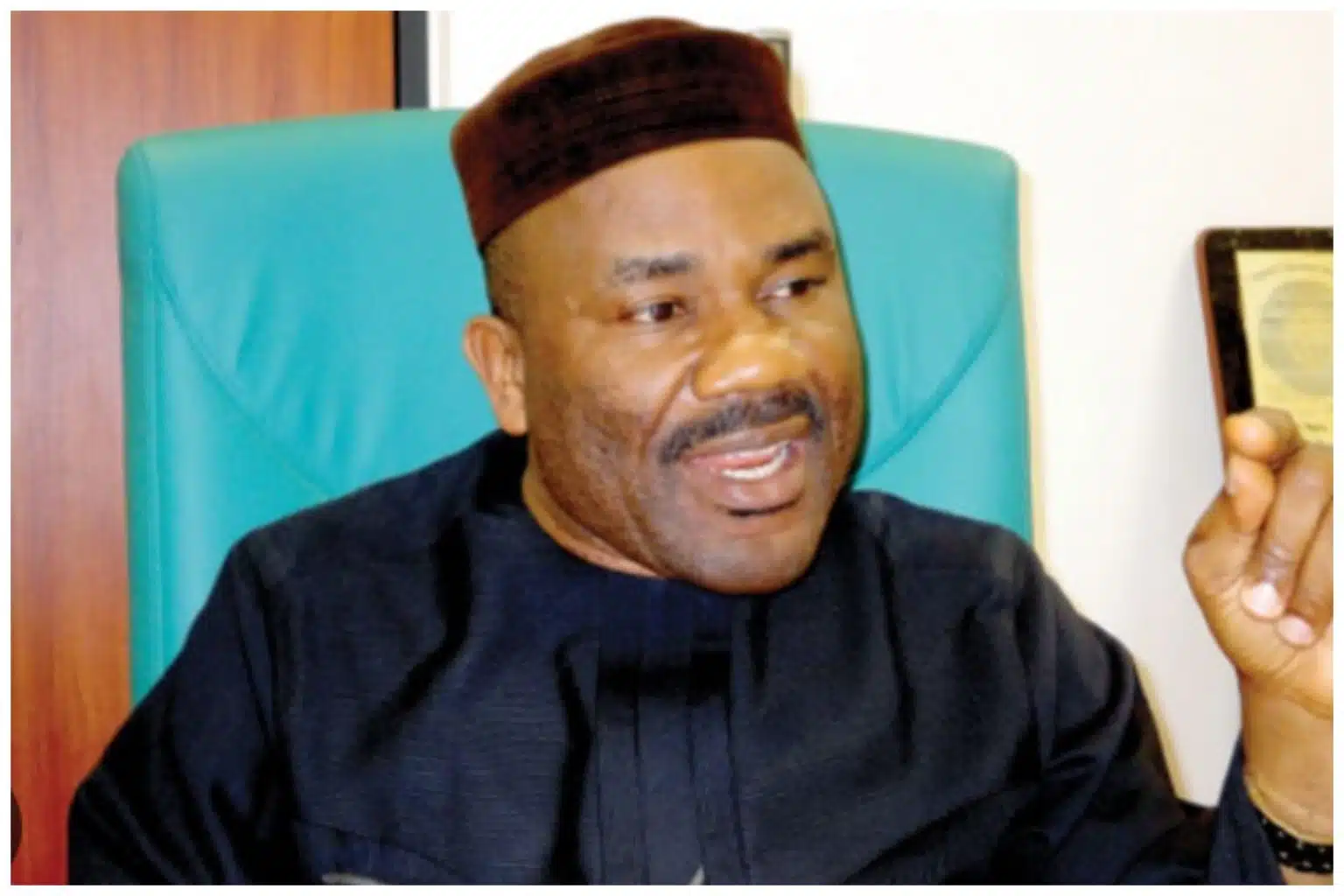
A deepening constitutional crisis is unfolding between the legislative and executive branches as Afam Ogene, Chairman of the House Minority Caucus Ad-hoc Committee on Tax Laws, described discrepancies in the newly gazetted tax laws as an act of “executive rascality.” In a revealing interview on Friday, January 23, 2026, Ogene asserted that certain overzealous officials within the executive arm have undermined the sanctity of the National Assembly by unilaterally altering the Nigeria Tax Administration Act 2025 and other related fiscal laws after their formal passage.
The controversy centers on the discovery of at least three different versions of the tax laws currently in circulation. While the National Assembly passed a specific version of the bill—which was subsequently assented to by President Bola Tinubu—the version published in the official government gazette contains several material changes that lawmakers claim were never debated or approved. Ogene argued that these unauthorized revisions are not mere clerical errors but a deliberate attempt to expand the tax net and increase executive powers through the back door.
Among the most contentious alterations identified by the Ogene-led committee is the lowering of tax compliance reporting thresholds. The version passed by the National Assembly reportedly set a reporting threshold of ₦50 million for individuals and ₦100 million for companies. However, the gazetted version slashed the individual threshold to ₦25 million and significantly lowered the corporate benchmark, effectively dragging millions of small business owners into the tax net without legislative consent. Ogene characterized this as a direct affront to the constitutional mandate of the parliament to determine fiscal policy.
The “rascality” also extended to the judicial process of tax disputes. The gazetted law introduced new subsections requiring taxpayers to deposit 20% of any disputed tax amount as a mandatory condition for appealing decisions from the Tax Appeal Tribunal to the High Court. Lawmakers insist this provision was entirely absent from the harmonized bill passed by both chambers. Furthermore, the altered text reportedly granted tax authorities the power to arrest individuals and sell seized assets without a court order—powers that the legislature explicitly omitted to protect citizens from potential institutional abuse.
Ogene also flagged changes to Section 3(1)(b), noting that the definition of federal taxes was tampered with to exclude Value Added Tax (VAT) and Petroleum Income Tax from the list of taxes administered by the federal government. Additionally, a new requirement appeared in the gazette mandating that tax computations for petroleum operations be done exclusively in US dollars, contradicting the legislative version which allowed for calculations in the “currency of the transaction.” These shifts, Ogene noted, have serious implications for national revenue allocation and the ease of doing business.
Perhaps most troubling for the lawmakers is the deletion of sections that empowered the National Assembly to exercise oversight. The authentic version of the National Revenue Service (Establishment) Act required the agency to submit quarterly and annual reports to parliament. In the gazetted version, these accountability provisions were curiously deleted, a move Ogene described as a blatant attempt to dodge legislative checks and balances. He warned that this “garbage in, garbage out” approach to gazetting cannot be tolerated in a democracy.
The Speaker of the House, Abbas Tajudeen, has already ordered an internal verification process and directed the Clerk to the National Assembly to “align” the certified laws with the Federal Government Printing Press to ensure accuracy and uniformity. However, the Minority Caucus remains skeptical, arguing that the existence of “fake laws” in the official gazette is an unprecedented scandal that warrants a deeper investigation into who authorized the secret edits.
As the tax reforms are scheduled to take full effect in 2026, the legal validity of the gazetted documents remains in question. Ogene emphasized that the 360 members of the House did not spend months in public hearings and clause-by-clause considerations only to have their work rewritten by unknown officials in the executive branch. The committee has vowed to ensure accountability for what it terms a “premeditated effort” to weaken the legislature and bypass the will of the people.