
Politics
Senator Ndume Questions Proposed US Sanctions on Kwankwaso
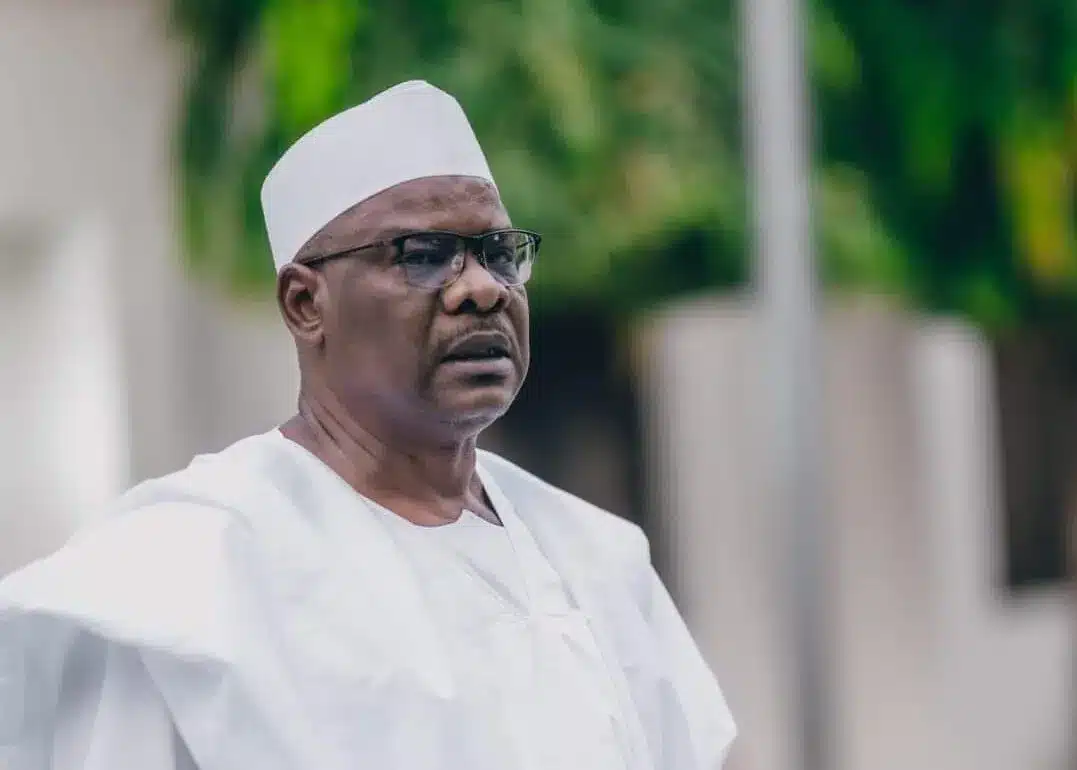
Senator Ali Ndume, representing Borno South, has sharply criticized a legislative move by United States lawmakers aimed at imposing sanctions on former Kano State Governor Rabiu Kwankwaso. The proposed sanctions, introduced by five US representatives in Congress, fall under the titled “Nigeria Religious Freedom and Accountability Act of 2026,” and seek to penalize Kwankwaso along with the Miyetti Allah Cattle Breeders Association of Nigeria (MACBAN) and Miyetti Allah Kautal Hore for alleged violations of religious freedom. The bill, sponsored by representatives Chris Smith, Riley Moore, Brian Mast, Mario Diaz-Balart, and Bill Huizenga, has sparked immediate controversy within Nigerian political circles, with Ndume leading the charge in questioning the motivations behind targeting a specific former governor.
Speaking during an interview on Channels Television, Ndume expressed astonishment at the inclusion of Kwankwaso in the bill, suggesting that the focus on the former governor indicates a hidden agenda. He emphasized that for US lawmakers to single out just Kwankwaso among numerous Nigerian political figures is highly unusual and warrants deeper investigation. Ndume hinted at the possibility of undisclosed intelligence or information that might have prompted the US legislators to take this action, fueling speculation about the underlying factors driving the proposed legislation.
The Borno South senator argued that the proposed sanctions, which include asset freezes and travel restrictions, are misplaced and do not accurately reflect the current situation in Nigeria. He suggested that such actions by foreign governments could be based on inaccurate information or a misunderstanding of the complex socio-political dynamics within the country. Ndume called for a more thorough examination of the facts before moving forward with any sanctions, stressing the need to understand why Kwankwaso is being specifically targeted.
This development highlights the ongoing scrutiny of Nigerian officials by international bodies, particularly concerning issues of human rights and governance. The reaction from Nigerian lawmakers underscores the sensitivity surrounding foreign intervention in domestic political matters, as they navigate the implications of potential international sanctions. Ndume’s vocal opposition reflects a broader concern about the fairness and transparency of foreign-imposed sanctions, raising questions about the legitimacy of the process and the intentions of the sponsors of the bill.


