
Politics
Sins and Sanctuary: Nenadi Usman on APC Defections
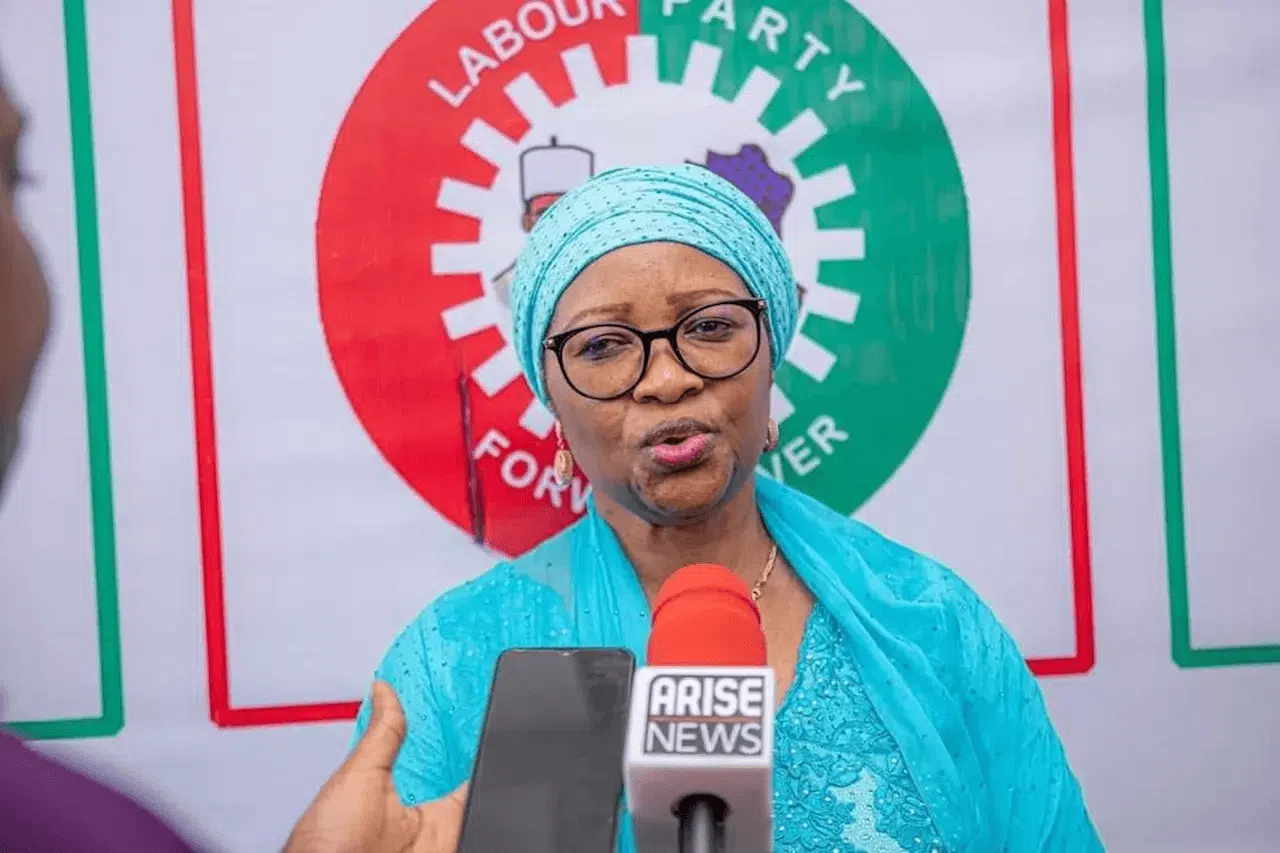
The political landscape of Nigeria is witnessing a peculiar migration as opposition figures increasingly flock to the All Progressives Congress. Senator Nenadi Usman, the National Chairman of the Labour Party, recently weighed in on this trend with a blend of skepticism and pointed irony. During a candid appearance on TVC News’ Politics on Sunday, the former Finance Minister addressed the wave of departures from her own party and other opposition platforms, offering a perspective that challenges the ruling party’s growing dominance.
Usman’s most striking observation revolved around the popular narrative that joining the ruling party serves as a form of political absolution. She noted with a dry wit that many believe “one’s sins are forgiven” the moment they cross over to the APC. While she stopped short of confirming this as the definitive motive, she acknowledged that such rumors are widespread within political circles. For many observers, this suggests that the rush toward the ruling party may be driven more by a desire for protection from scrutiny than by a genuine alignment with its ideological or developmental goals.
Despite the high-profile exits, Usman remains adamant that the opposition is far from finished. She dismissed the notion that these defections signal a one-party state or the irrelevance of the Labour Party ahead of the 2027 general elections. To her, the current “flocking” to the APC is a seasonal phenomenon that does not necessarily reflect the will of the Nigerian electorate. She argued that the strength of a political movement lies not in the number of defecting elites, but in the sustained support of the people who are looking for alternatives to the status quo.
The Labour Party chief was also pressed on the party’s specific strategy for the next presidential cycle. When asked if the party has already identified a candidate capable of toppling the APC’s machinery, she remained strategically evasive. Usman emphasized that it is far too early to make such a monumental decision, using the classic idiom that the party will “cross that bridge” when it gets there. This cautious approach reflects a leader focused on internal consolidation and judicial validation rather than premature campaigning.
Interestingly, the interview touched on the delicate issue of zoning. Usman shared her personal view that equity and national balance suggest the presidency should remain in the South for the next term. However, she was careful to clarify that this was not yet an official party mandate. Such decisions, she explained, would be the result of collective deliberations among stakeholders rather than the decree of a single individual. This democratic posturing aims to contrast the Labour Party’s internal processes with what critics often describe as the “top-down” nature of the ruling party.
The timing of Usman’s comments is significant, as a Federal High Court recently affirmed her leadership of the party’s caretaker committee. This legal victory has provided her with the platform to speak with authority even as the party navigates a period of internal restructuring. By framing the APC defections as a search for “forgiveness,” she is effectively casting doubt on the integrity of those leaving the opposition. It is a narrative that paints the Labour Party as a resilient, if currently leaner, force that is prioritizing principle over political convenience.
As 2027 looms on the horizon, the rhetoric from the Labour Party leadership suggests a shift toward a more aggressive critique of the political establishment. Usman’s “sins” comment serves as a double-edged sword: it mocks the ruling party’s recruitment tactics while simultaneously questioning the character of those who abandon their posts in the heat of the struggle. Whether this strategy will be enough to stem the tide of defections or win back the disillusioned remains one of the most compelling questions in Nigeria’s evolving democracy.

