
NEWS
Sovereignty in Jeopardy: Tinubu’s Rivers Deal Under Fire
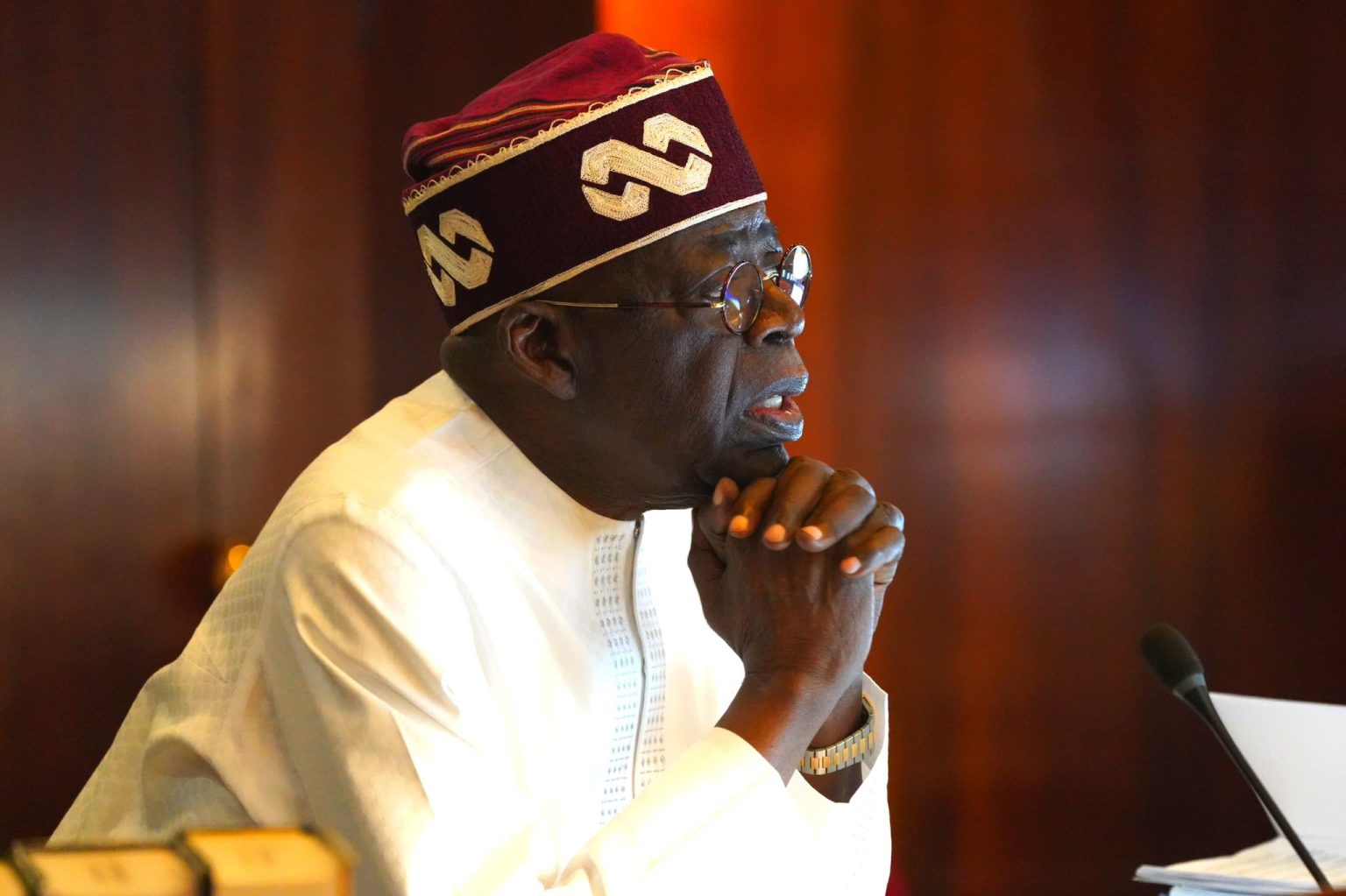
The escalating political drama in Rivers State has moved from the streets of Port Harcourt to the critical gaze of legal scholars, as President Bola Tinubu’s latest attempt at mediation faces sharp condemnation. Human rights lawyer and constitutional analyst Festus Ogwuche has issued a blistering critique, warning that the presidential intervention is not a solution but a “dangerous precedent” that threatens to hollow out Nigeria’s democratic core and federal structure.
During an interview on Arise News on Tuesday, February 3, 2026, Ogwuche argued that the political settlement brokered in the nation’s capital effectively trades the rule of law for the whims of the elite. Reports indicating that Governor Siminalayi Fubara was compelled to publicly recognize Minister Nyesom Wike as his “political leader” in exchange for a halt to impeachment proceedings were particularly galling to the legal expert. He described the requirement for a sitting governor to acknowledge a godfather as a condition for peace as a staggering blow to the independence of the executive office.
Ogwuche’s analysis paints a grim picture of a “political theater” where structural weaknesses are being exploited to “put the governor where they think he belongs.” Beyond the immediate fallout between two powerful men, the lawyer sees a systemic shift occurring. By allowing the presidency to dictate the internal leadership and legislative pace of a state, Nigeria is inadvertently drifting toward a unitary system where the center holds absolute sway over state-level governance.
The lawyer faulted the trend of replacing constitutional procedures with backroom “political settlements.” He warned that halting an impeachment process through executive instruction rather than through the formal legislative and judicial machinery corrodes the separation of powers. This shift from a law-based constitutionalism to one justified purely by power and influence raises significant electoral and ethical red flags ahead of the 2027 general elections.
In the eyes of many constitutionalists, the situation in Rivers has become a textbook case of “managed politics.” In this model, the will of the electorate and the sanctity of the ballot box are secondary to the interests of political patrons. Ogwuche argued that rather than restoring order, the President’s intervention merely “silences dissent” and forces the governor into a transactional existence where he must constantly balance the demands of the House of Assembly, the FCT Minister, and the Presidency.
The implications for Nigeria’s federalism are profound. Ogwuche concluded that if this pattern continues, governance in Nigeria will no longer be defined by democratic participation but by godfatherism and totalitarian tendencies. He stressed that unless the nation returns to strict adherence to constitutional principles, the independence of state governments will become a relic of the past, leaving the future of Nigeria’s democracy in a state of terminal uncertainty.


