
NEWS
The U-Turn Presidency: Unpacking Tinubu’s Growing Record of Reversed Appointments
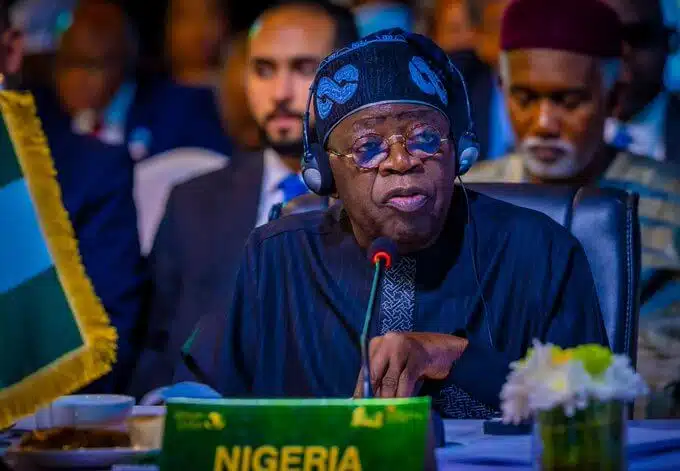
When President Bola Ahmed Tinubu announced a sweeping leadership change at the Nigerian Television Authority on August 20, 2025, the move was framed as a strategic masterstroke. By appointing broadcast heavyweights like Rotimi Pedro and Stella Din-Jacob, the administration signaled a bold intent to modernize a “dying brand” through innovation and soft diplomacy. Yet, in a move that has become a hallmark of this administration, the presidency performed a startling U-turn barely two weeks later, restoring the former officials and leaving the newly appointed reformists in professional limbo.
This sudden reversal at the NTA is far from a standalone event; it is the latest chapter in a burgeoning pattern of administrative retreats that has come to define the Tinubu era. From ministerial nominees turned away at the gates of the National Assembly to ambassadors-designate whose titles vanished within twenty-four hours, the frequency of these “policy somersaults” is sparking a heated debate. While supporters view these corrections as a sign of a listening leader responsive to feedback, critics argue they reveal a chaotic vetting process and a government prone to reactive decision-making.
One of the most dramatic instances occurred in August, involving the Federal Character Commission. The President had initially reappointed Muheeba Dankaka for a second term, only to withdraw the nomination within hours and replace her with Ayo Omidiran. No official explanation followed the pivot, despite the initial announcement carrying the weight of “immediate effect.” This “now you see it, now you don’t” approach has created a sense of instability within the civil service, where officials are increasingly hesitant to celebrate new roles until they are physically in the office.
The pressure of party loyalty has also proven to be a primary driver of these reversals. In 2024, the appointment of Asu Okang to the Niger Delta Development Commission board was met with a fierce revolt by All Progressives Congress members in Cross River State because of his ties to the opposition. Within days, the presidency bowed to the pressure, replacing him with Orok Otuk Duke. A similar fate befell Ruby Onwudiwe, whose nomination to the Central Bank of Nigeria board was quietly discarded after partisan critics flagged her previous support for the Labour Party.
Perhaps no incident captured the human cost of these reversals more vividly than the case of Maryam Shetty. In August 2023, the ministerial nominee had physically arrived at the National Assembly for her screening, only to be informed at the gate that her name had been withdrawn and replaced. This public embarrassment highlighted a glaring lack of coordination between the presidency’s inner circle and the final announcement mechanisms, suggesting that the vetting process is often overtaken by last-minute political lobbying.
Age and experience have also triggered administrative retreats. The appointment of 24-year-old Ibrahim Kashim Imam to lead the Federal Roads Maintenance Agency board lasted just forty-eight hours before public outcry over his qualifications forced a withdrawal. While the presidency’s willingness to reconsider may be seen as democratic responsiveness, the initial choice raised questions about the criteria used to select leaders for critical infrastructure roles in the first place.
The diplomatic sphere has not been immune to this trend either. Most recently, the announcement of Usman Dakingari as Nigeria’s ambassador-designate to Turkey was retracted less than a day after it hit the news cycle. The presidency’s subsequent claim that “no appointment had been made” directly contradicted its own earlier official communication, further deepening concerns about the consistency and reliability of government bulletins.
Even the Nigerian Postal Service found itself in a state of dual-leadership paralysis in October 2023. Conflicting announcements led to a scenario where two different individuals simultaneously claimed the title of Postmaster General. This bureaucratic confusion not only stalled the agency’s operations but also projected an image of a government struggling with internal communication. Similarly, the reshuffling of Idris Olorunnimbe across the UBEC and NCC boards within mere months has left observers questioning the long-term vision for these vital agencies.
While previous administrations in Nigeria were often criticized for being “slow to act,” the Tinubu government is facing a different kind of scrutiny. The speed of appointments is high, but the “reverse gear” is being engaged with equal velocity. This trend has created a high-stakes environment where an appointment letter is no longer a guarantee of tenure. As the administration enters its next phase, the challenge will be to balance political responsiveness with the administrative stability required to run a nation as complex as Nigeria.


