
NEWS
Electoral Reform Advocate Urges INEC to Meet 360-Day Election Notice Deadline
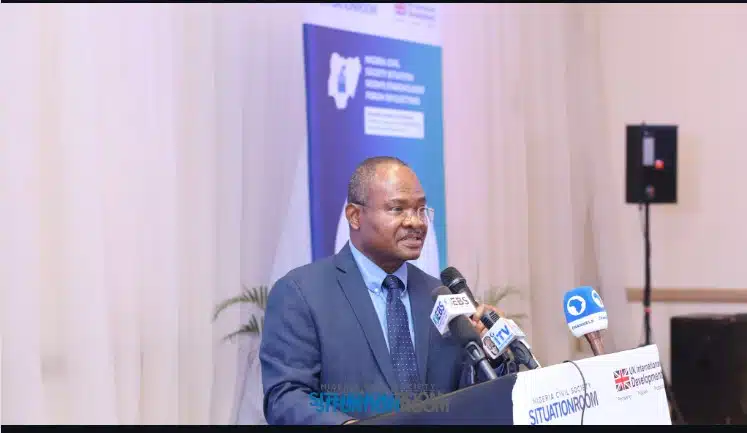
The push for a more transparent and predictable electoral process in Nigeria has gained fresh momentum following a call for the Independent National Electoral Commission (INEC) to strictly adhere to legal timelines. Clement Nwankwo, the Executive Director of the Policy and Legal Advocacy Centre (PLAC), has emphasized that the commission must issue an official notice of election at least 360 days before any polls are conducted. Speaking on Arise Television’s Prime Time, Nwankwo highlighted that this requirement is not just a best practice but a statutory obligation enshrined in the 2022 Electoral Act.
Nwankwo warned that Nigeria can no longer afford the luxury of last-minute legislative changes or administrative delays as the 2027 election cycle approaches. He stressed that “certainty and stability” are the bedrocks of any credible democratic process. According to the civil rights advocate, the 360-day window is essential for political parties, candidates, and voters to adequately prepare. Without this early notice, the electoral framework remains fragile, leaving the door open for confusion and logistical failures that could undermine public confidence.
The PLAC chief specifically addressed the current 2022 Electoral Act, dismissing rumors that the 360-day provision had been compromised. He clarified that the law remains clear: INEC has a mandatory duty to signal the commencement of the electoral calendar a full year in advance. This period allows for the activation of key processes, including party primaries, voter registration updates, and the publication of the election timetable. Nwankwo noted that while the legal text is firm, it requires proactive “pronouncements and stipulations” from INEC to become effective in the eyes of the public.
During the interview, Nwankwo also sent a strong message to the National Assembly regarding the pending Electoral Bill. He urged lawmakers to prioritize and fast-track the passage of necessary reforms to avoid a repeat of previous cycles where laws were signed too close to the election date. While he commended the Senate and the House of Representatives for their current “encouraging” progress and deliberations, he reminded them that the clock is ticking. For reforms to be meaningful, they must be settled well before the 360-day countdown begins.
The advocate’s call for certainty also touched on international standards, referencing ECOWAS protocols and other global legal instruments that Nigeria is a signatory to. Nwankwo argued that aligning Nigeria’s local laws with these international expectations is vital for the country’s democratic reputation. He insisted that a stabilized legal framework prevents “moving the goalposts” in the middle of a political contest, which is a frequent source of post-election litigation and civil unrest.
Ultimately, Nwankwo’s message was one of urgency and institutional accountability. He believes that if INEC and the National Assembly act in harmony to secure the legal and administrative foundations of the next election now, the nation can avoid the chaos of previous years. For the executive director, the integrity of the 2027 polls depends on the actions taken in 2026. Certainty in the law, he concluded, remains the only way to ensure democratic stability and a peaceful transition of power.


