
NEWS
Soyinka: Nigerian Leaders Became New Colonists
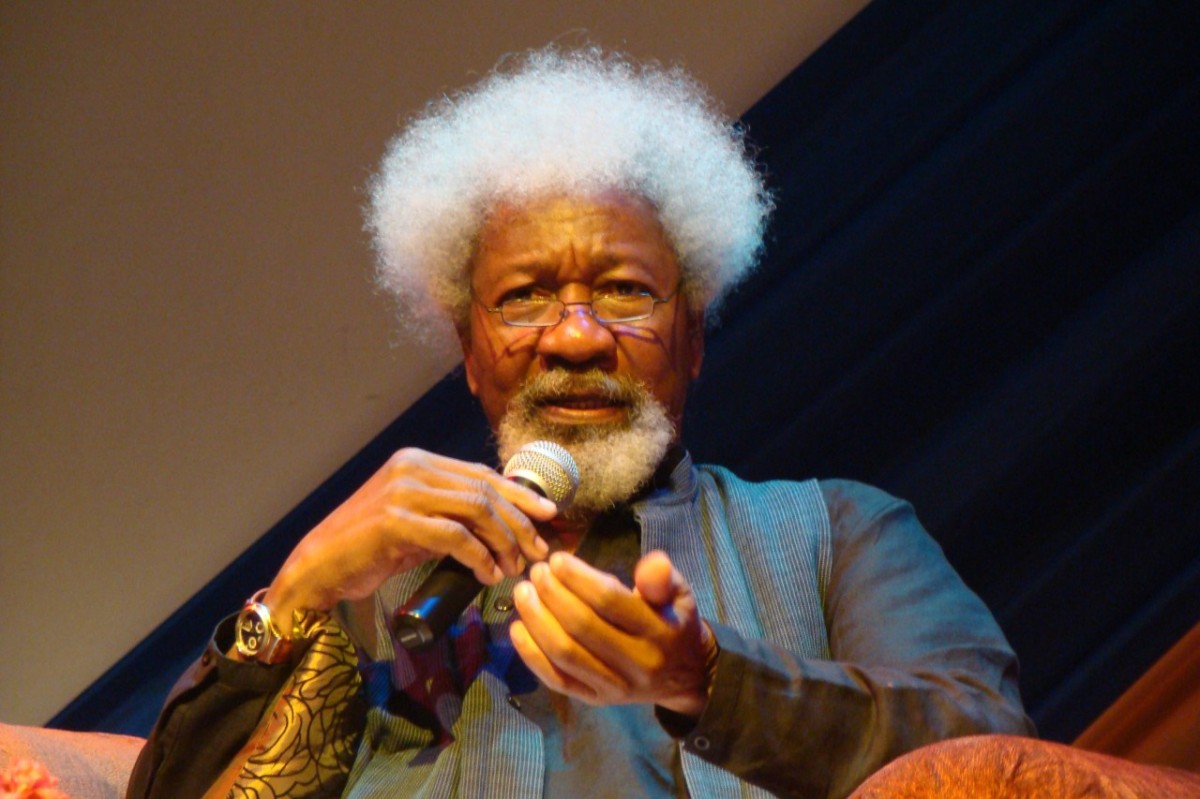
Wole Soyinka, the 91-year-old Nobel laureate, recently stood before a gathered crowd at the Yoruba Tennis Club in Lagos and delivered a stinging indictment of Nigeria’s post-independence trajectory. His message was clear and devoid of nostalgia: the men who took the reins of power in 1960 were not liberators in the truest sense, but eager understudies of the colonial masters they replaced.
Reflecting on the fervor of the independence era, Soyinka recalled the intoxicating excitement felt by Nigerian students abroad. They viewed themselves as the “Renaissance people,” a generation poised to prove that they could not only master the systems of the West but vastly improve upon them. There was a desperate hunger to return home and build a new world.
However, that optimism was quickly shadowed by a growing sense of alarm. As Soyinka and his peers observed the behavior of the emerging political class, they noticed a disturbing trend. These “representatives of liberation” seemed less interested in dismantling the structures of oppression and more interested in inhabiting them. The uniforms changed color, but the distance between the ruler and the ruled remained a vast, icy chasm.
This observation served as the foundational spark for his celebrated play, A Dance of the Forests. The work was a deliberate warning against the romanticization of the African past and a critique of the “black man” stepping into the “white man’s” shoes. It was a play written to temper the euphoria of the 1960s with a dose of harsh reality, reminding the nation that true freedom required more than just a change of flags.
When asked how he would approach those same themes today, Soyinka’s response was characteristically unyielding. He stated that a modern version of the play would be “far more cruel” than the original. The passage of time has not softened his view; rather, it has confirmed his worst fears. He noted that the “pit” he warned against decades ago is the same one the nation has repeatedly fallen into, despite the warnings being etched into the very fabric of Nigerian literature.
His critique did not stop at Nigeria’s borders. Soyinka pivoted to the global stage, casting a wary eye on the interventions of world powers. He warned that tyranny often disguises itself as a “rescue mission.” Whether discussing United States’ involvement in Venezuela or Russia’s invasion of Ukraine, the Nobel laureate identified a recurring motive: the calculated robbery of resources, specifically oil, under the guise of geopolitical necessity.
He was careful to clarify that his disdain for external interference did not equate to support for autocrats like Nicolas Maduro. Instead, his argument was rooted in the principle of self-determination. He described such leaders as “enemies of humanity” who would eventually meet their end, but he insisted that the solution should not come from opportunistic external forces seeking to drain a nation’s wealth.
Soyinka’s address served as a call to action for the younger generation. He urged them to look beyond the failures of the past and leverage the “democratized technology” of the modern age. In his view, the tools of communication available today provide an unprecedented opportunity for the youth to organize and reclaim their narrative from those who would continue the cycle of “alienated” leadership.
The lecture was a reminder that for Soyinka, the role of the writer is not just to entertain, but to act as a relentless mirror to power. By describing the current state of affairs as a “mammoth robbery” and a “revelation of theft,” he challenged his audience to recognize that the struggles of 1960 are not historical relics, but ongoing battles.
As he concluded his thoughts, the atmosphere in the room was one of sober reflection. The “Renaissance man” who once hoped to outshine the colonizers now stands as a witness to a century of missed opportunities. Yet, his insistence on the power of the people to eventually decide their own fate offered a thin, sharp blade of hope in an otherwise blistering critique of the global and local status quo.